





Introduction — Why you should sort your passport, ID and licence before leaving Lucerne
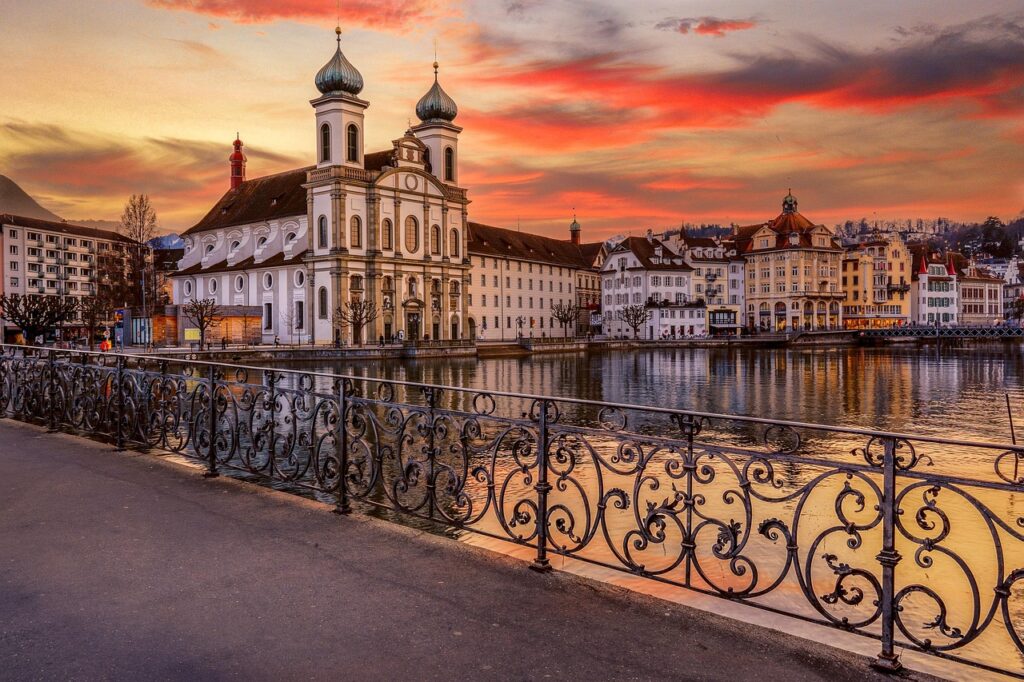
Lucerne (Luzern) wins you over at first sight: mountains mirrored in the lake, the medieval town clustered around the Kapellbrücke (Chapel Bridge), and a quality of life that invites exploration. But behind this picture-postcard setting there are practical formalities that travellers — and even rushed locals — often overlook. An expired document, the wrong form of ID or an unsuitable driving licence can turn a calm departure into a run of administrative headaches: long queues, last-minute fees, denied boarding or cross‑border complications. This guide helps you avoid those traps with practical information, exact addresses, prices in euros and opening hours for everything related to passports, ID cards and driving licences before you leave Lucerne.
We cover general rules depending on your nationality (Swiss citizen, EU/EEA citizen, non‑EU resident), how to check your documents, where to renew them in Lucerne, what fees to expect and how to speed up the process in an emergency. You’ll also find local tips: early and late opening offices, best time slots to dodge queues, emergency document options (temporary travel documents) and advice for families with children. The aim is threefold: give you the administrative facts, precise addresses and visual cues to help you find your way on the ground.
Lucerne is a major transport hub — a busy main station, ferry lines to Vitznau and Weggis, and a motorway link towards the Saint-Gotthard tunnel — so people often plan departures from the train station or the harbour. Checks can happen at land borders (for example when heading to Italy via the Saint‑Gotthard tunnel) or when boarding a flight from one of the Swiss airports. This guide takes those situations into account and highlights the city’s key locations: municipal offices for issuing passports and ID cards, police stations for declarations, and motor clubs for obtaining an international driving licence.
You’ll find practical information on:
- Required documents depending on your status (Swiss, EU/EEA, third‑country national).
- Offices in Lucerne for your procedures: full names, exact addresses, opening hours and fees in euros.
- Emergency solutions: temporary passports, travel documents and fast‑track procedures.
- Local tips to plan ahead and save time (best time slots, documents to prepare, how to get to the offices).
This guide does not replace official sources from Swiss authorities or your consulate/embassy, but it gives a practical, on‑the‑ground plan to help you leave Lucerne with peace of mind. Before you travel, always check the current conditions online (for example the Swiss Federal Department of Justice and Police website, or your embassy’s site), and keep a digital copy of your documents. The following sections walk you step‑by‑step through the procedures and useful contacts in Lucerne.
Passports and ID cards: rules to follow depending on your nationality
Required documents mainly depend on your nationality. Here are the general rules and the most common special cases:
- Swiss citizens: to travel outside Switzerland you need a Swiss passport or a Swiss identity card (Personalausweis/Carte d’identité) depending on the destination. For Schengen and most EU countries the ID card is usually sufficient, but some countries (the UK, certain non‑EU states) or international flights may require a passport. Check the expiry date: many airlines require passports to be valid for at least six months for travel to some non‑Schengen countries.
- EU / EEA citizens: national ID cards are accepted to enter Switzerland and most European countries. For international travel outside the EU, a valid passport is typically required. If you live in Lucerne but are an EU citizen, you’ll normally need to renew your passport via your embassy or consulate in Switzerland; some consulates hold public sessions or cooperate with municipal authorities to collect biometric data.
- Non‑European residents: a valid passport is always required for travel. Also check whether you need a visa for your destination. If you leave Switzerland and plan to return, your residence permit (Permis B, C, L) is essential — not having it can complicate re‑entry. In case of emergency (loss or theft) your country’s embassy or consulate in Bern or Zurich can issue temporary travel documents to allow repatriation.
Practical examples and timelines:
- Standard processing time for a Swiss passport: usually 3–4 weeks for a normal procedure. Approximate cost: 140 CHF for a standard adult passport — around €130 (rates vary). Express processing (if available): 3–7 days, additional fees apply (roughly +€80–120 depending on the service).
- Swiss ID card: 2–3 weeks processing time, fee around 65 CHF — about €60.
- Passports and ID cards issued by consulates (for foreign nationals): processing times and fees vary widely. Contact your embassy in Bern, Geneva or Zurich.
Key checks before leaving Lucerne:
- Expiry date: aim for at least six months’ validity for travel outside Europe.
- Passport condition: pages should be intact, the photo must be recognizable and no pages torn out.
- Visas and authorisations: check online whether your destination requires a visa or an electronic travel authorisation (eTA, ESTA, etc.).
If you discover a missing or expired document while in Lucerne, go to the civil registry / Einwohnerdienste of the city or contact your embassy. For Swiss citizens, the Lucerne municipal office (Einwohnerdienste) is the primary contact for new passport and ID card applications; consulates handle foreign nationals. The next sections detail where to go in Lucerne, with addresses, opening hours and practical tips.
Where and how to renew your passport and ID in Lucerne — addresses, opening hours and fees
In Lucerne, most identity document procedures are handled by municipal services (Einwohnerdienste/Stadt Luzern) and, where relevant, by consulates for foreign nationals. Here are the addresses and practical details for both civic and consular procedures:
- Einwohnerdienste Stadt Luzern (Resident services) — Stadt Luzern Einwohnerdienste
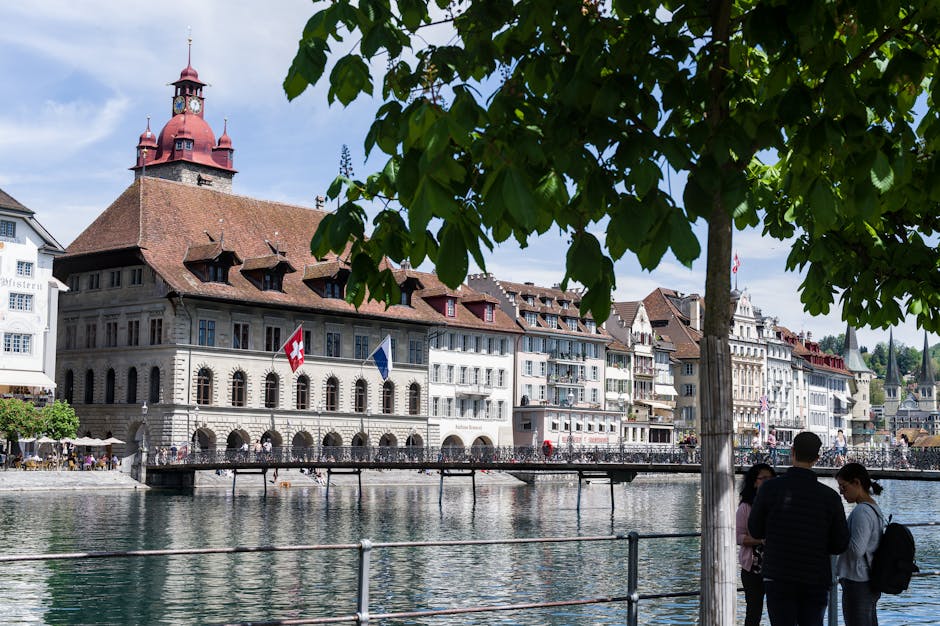
Address: Rathausquai 6, 6002 Luzern
Opening hours: Monday–Friday 08:00–12:00 and 13:30–17:00 (some days open until 18:00 for walk‑ins) — check online before you go.
Services: application and renewal of Swiss ID cards, biometric photo sometimes available on site, information about Swiss passports (if biometric data must be taken elsewhere, they will direct you to the right centre).
Approx. fees: Adult ID card ~65 CHF ≈ €60; child ID card ~30–40 CHF ≈ €28–36 (indicative rates). - Stadt Luzern – Passwesen / Personendokumente (Passport office) — for Swiss passports
Address: Bahnhofstrasse / Rathausquai (depending on the office) — follow the city website for where to submit applications.
Opening hours: typically 08:00–12:00 and 13:30–16:30 on weekdays. Some services by appointment only.
Fees: Standard adult passport (10 years) approx. 140 CHF ≈ €130; passport for children (6 years) reduced rate (around 70 CHF ≈ €65). Processing time: standard 3–4 weeks; paid express options may be available (check in person).
Time‑saving tips:
- Book an appointment online: most municipal services allow reservations via the official City of Lucerne website. Early morning slots (08:00–09:30) are usually quieter.
- Prepare your documents in advance: old passport/ID, biometric photo if required, completed form, proof of address (certificate of residence), proof of payment. Bring photocopies and a scanned digital version.
- Check biometric photo options: some offices take photos on site (often charged ~€10–15), otherwise provide a photo that meets ICAO standards.
For non‑Swiss citizens:
- Contact your embassy or consulate. Not every country has a consulate in Lucerne; most are based in Bern, Zurich or Geneva. Examples: the French embassy (Bern/Geneva), the Consulate General of Italy in Zurich, etc. Those representations usually list addresses, opening hours and appointment procedures on their websites.
- In case of loss or theft, report it to the local police (Kantonspolizei Luzern) and then contact your embassy for an emergency passport or travel document.
Additional useful addresses:
- Kantonspolizei Luzern (Cantonal police) — Pilatusstrasse 29, 6003 Luzern. Opening hours: 24/7 desk for loss/theft reports. Fees: the report is free, but certified copies or attestations may carry administrative fees (around €20–50 depending on the case).
- Lucerne Railway Station (Luzern Bahnhof) — Bahnhofplatz, 6003 Luzern. If you’re leaving by train or boat, check your travel time to factor in any administrative appointments.
Driving licence: what you need to know to drive abroad and how to get an international driving permit
The Swiss driving licence is recognised in most European countries and many states outside Europe, but rules differ. To drive in Europe, Swiss licence holders generally don’t need an International Driving Permit (IDP). However, some countries outside Europe, certain car rental companies or border checks may require an IDP.
International driving permit: purpose and how to get one
- Purpose: an official translation of your national licence; it makes car rentals and police checks abroad easier. It’s often requested in Japan, Australia, Canada for certain vehicle types, and in some African and Asian countries.
- Where to get one in Lucerne: local motoring offices and car clubs (for example Touring Club Suisse — TCS) which have offices in the canton. Practical example: TCS Luzern – Bahnhofplatz 15, 6003 Luzern (indicative address; check online). Opening hours: 08:00–17:00 on weekdays. Approx. fee: 20–25 CHF ≈ €18–23 for a one‑year international permit card.
- Documents required: original national driving licence, a compliant ID photo, completed form, identity document (passport or ID card). Processing time: often issued on the spot or within a few days depending on the procedure.
Driving licences and car rentals
- Major international rental companies (Europcar, Hertz, Sixt, etc.) usually accept a Swiss licence. For cross‑border rentals (for example driving into Italy or France), inform the rental company and check for any additional insurance requirements.
- Insurance: verify third‑party liability and damage waivers (CDW) for driving abroad. Premium bank cards sometimes offer partial cover for rentals; read the terms before you go.
Local tips
- If you plan to drive in the Alps (Saint‑Gotthard pass, roads toward Andermatt), check road conditions and mandatory equipment (winter tyres, chains in season). Service stations and city outlets (e.g. Garage Luzern AG, Seeburgstrasse) can rent or sell safety gear.
- For young drivers: under‑21 drivers may face restrictions or surcharges with rental companies. Check requirements before booking.
Emergency procedures in Lucerne: loss, theft or an expired document the day before you leave
Nothing is more stressful than realising at the last minute that your passport has been stolen or has expired. Lucerne offers fast solutions, but you need to know the right steps. Here’s a clear protocol to follow so you can act without panic:
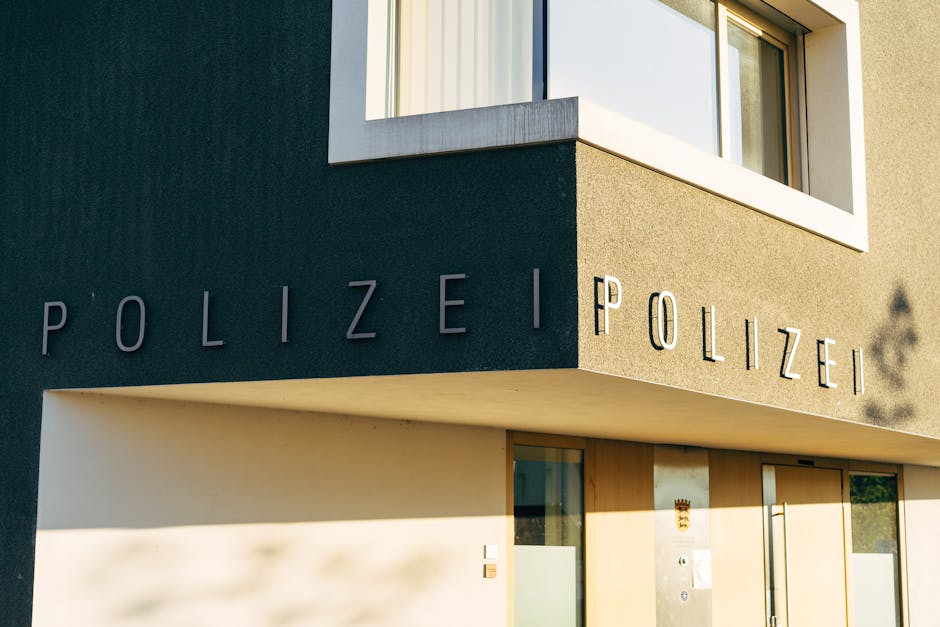
- 1. Report the loss or theft: Go immediately to Kantonspolizei Luzern — Pilatusstrasse 29, 6003 Luzern. The desk is open 24/7. You’ll get an official report (police attestation) which is essential for consular procedures and for some airlines. Cost: the report is free; certified copies may cost approx. €20–40.
- 2. Contact your embassy or consulate: Most embassies (in Bern, Zurich or Geneva) issue emergency travel documents or temporary passports to enable return to your home country. Opening hours vary — some consular offices have emergency lines. Fees: emergency travel documents usually cost between €50–150 depending on the country. Processing time: from a few hours to 48 hours depending on the representation and circumstances.
- 3. Swiss emergency travel documents: Swiss nationals abroad can get a laissez‑passer from Swiss embassies. In Lucerne itself, for a local emergency contact the Einwohnerdienste or the relevant cantonal service to see if an accelerated procedure is possible (extra fees may apply).
- 4. Tickets and travel formalities: Inform your transport company (train, plane, ferry) and ask whether a police report plus a copy of the consular application will be accepted for boarding. Some carriers have specific policies: Air France/KLM, Swiss International Air Lines, etc., may accept temporary documents if your return is guaranteed.
Tips to reduce stress:
- Always carry a paper photocopy and a digital copy (scanned, in the cloud) of your documents. Keep a photo of your passport/ID on your phone in a secure app.
- Keep the emergency phone numbers of your embassy and the Kantonspolizei handy, both in your phone and on paper. Example: Kantonspolizei Luzern +41 41 248 81 11 (indicative) — call first to notify them, then go to the station if needed.
- If you’re rushing to the airport or a border, tell station or airline staff: in some cases temporary solutions are arranged so you’re not left stranded without any path to resolution.
Local tips and routes to combine paperwork with sightseeing in Lucerne
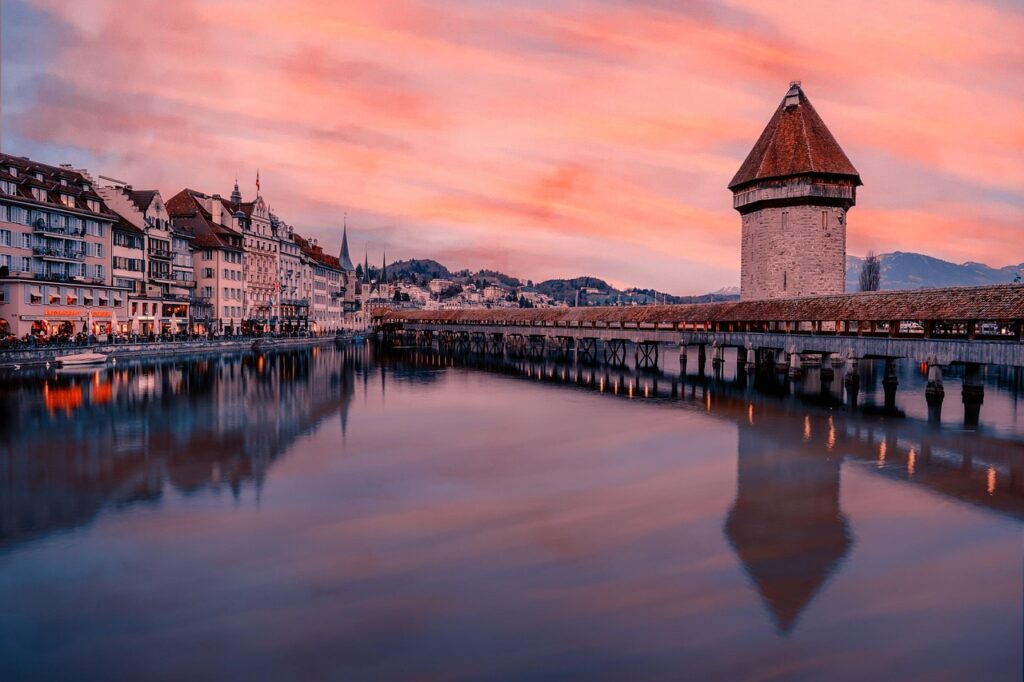
Turn administrative errands into a relaxed discovery of Lucerne. Most central offices are close to the historic centre and the station, so you can mix paperwork with a stroll: Kapellbrücke, the old town and the lakeside are all within easy reach. Here are some routes and practical tips:
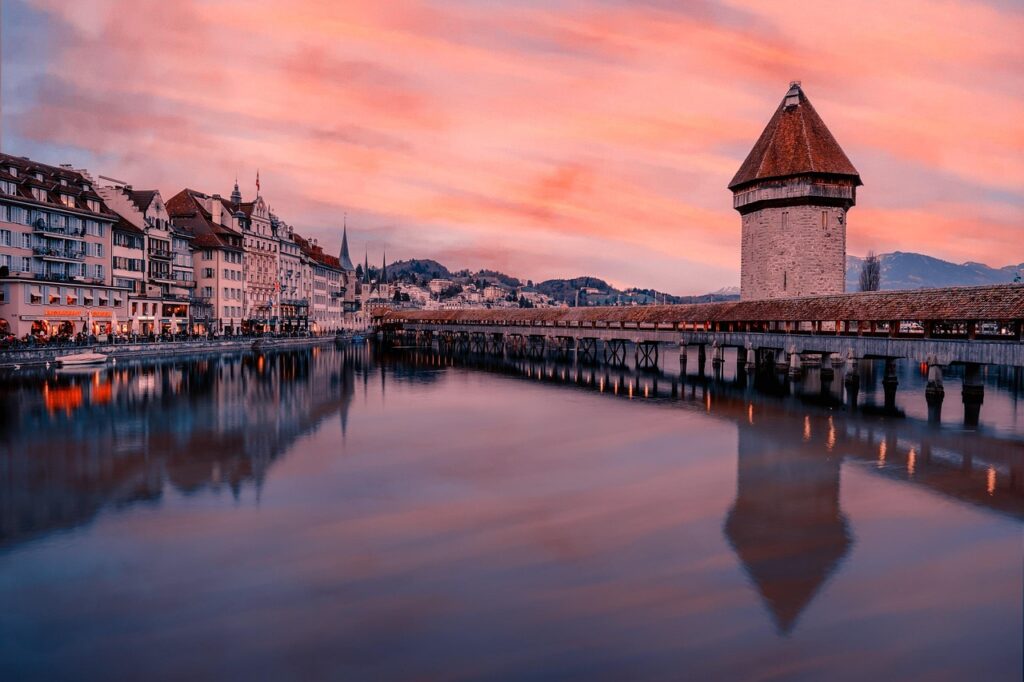
- After your appointment at Rathausquai 6: take a short walk to the Kapellbrücke (Kapellbrücke, 6002 Luzern) — it’s a 3–8 minute walk depending on your exact starting point. The wooden bridge and the Water Tower make a great photo stop. Recommended nearby café: Café de Ville, Weinmarkt 1, 6004 Luzern (open 08:00–22:00), espresso around €3–4.
- From the station (Bahnhofplatz, 6003 Luzern): head to the lake promenade (Quai, 6002 Luzern) in about 5 minutes to board a boat to Weggis or Vitznau. Ferries run regularly — schedules vary by season; fares around €15–30 one way depending on the destination. Book ahead in high season (July–August).
- If you need to visit the TCS office or an international driving permit agency: check opening hours and pair the visit with lunch in the Tribschen or Horw neighbourhood. For example, Restaurant La Cucina (Seepromenade) offers Italian dishes from about €12.
Sample itinerary for an efficient day:
- 08:00–09:00: appointment at Einwohnerdienste or the relevant office (booked in advance).
- 09:30–10:30: stroll to Kapellbrücke and photo on the bridge.
- 11:00–12:30: stop by Kantonspolizei if you need to file a report (if required) or visit the TCS.
- 13:00–14:30: lakeside lunch, followed by a short cruise if time allows.
These timings let you combine admin with downtime, so your departure from Lucerne is both efficient and pleasant.
Conclusion — Leaving Lucerne peacefully: recap and best practices
Leaving Lucerne without stress comes down to documented preparation and a few simple habits: check your passport and ID well before departure, know who to contact in an emergency, arrange an international driving permit if you plan to drive outside Europe, and keep both paper and digital copies of your documents. The Lucerne municipal services (Einwohnerdienste / Stadt Luzern) and the Kantonspolizei are your first points of contact for loss, theft or document emergencies. For foreign nationals, embassies and consulates (usually based in Bern, Zurich or Geneva) are essential partners for emergency travel documents and temporary passports.
Schedule your appointments, favour morning slots to avoid queues, and assemble a complete file of supporting documents (old ID, compliant photos, proof of address, completed forms). Budget for fees: as a rough guide, a Swiss adult passport costs about 140 CHF (~€130), a Swiss ID about 65 CHF (~€60) and an international driving permit around 20–25 CHF (~€18–23). In emergencies fees and turnaround times increase — try to anticipate where possible.
Finally, remember the practical and human side: combine your errands with a relaxing break in the old town, a walk across Kapellbrücke or a short boat trip on the lake. Lucerne’s scenery and the proximity of offices to tourist spots make it easier to take the edge off administrative stress. Bring your originals and copies, note down emergency numbers, and if needed contact your embassy before you go. With these tips you’ll maximise your chances of leaving Lucerne fuss‑free — and keep a pleasant memory of your last day in the city.