





Introduction — Why sort your admin tasks in Lucerne before crossing the border
Heading out of Lucerne (Luzern) toward a destination across the German or Austrian border involves more than booking a train ticket or firing up your car: you should take care of a handful of practical and administrative tasks beforehand to avoid queues, fines, and pointless returns. This practical guide is aimed at anyone leaving Lucerne for the European Union (especially via the Germany/Konstanz–Kreuzlingen or Basel/Weil am Rhein routes), whether you travel by car or public transport, with pets, goods bought in Switzerland, or paperwork that needs validating.
Below I outline a chronological, five-step administrative route you can apply right away: which offices to visit in Lucerne, what documents to bring, exact addresses and opening hours, costs in euros (indicative conversions where relevant), and printable checklists for each step. Each step targets a concrete situation: passport / ID card, vehicle registered in Switzerland, customs declaration for purchases, formalities for pets, and European health insurance paperwork (EHIC card or S1). The info is designed to be consulted the day before or the morning you leave Lucerne.
Before we dive into the five steps, here are the key items to check immediately: valid identity documents, vehicle registration and insurance, motorway vignette if you’ll cross countries that require it, health certificates for pets if applicable, and invoices/receipts for taxable purchases in Switzerland for VAT refund procedures. This guide also includes local tips (peak times, off‑season alternatives), euro‑based costs so you can budget, and physical addresses of agencies and offices in Lucerne where you can complete most formalities.
1) Check and (if needed) renew your ID in Lucerne
Before you hit the border, the first task is to make sure your passport or ID card is valid. In Lucerne, the office for residents is the Einwohnerdienste / Einwohnerkontrolle. Address and contact:
- Einwohnerdienste Stadt Luzern (Residents’ Services), Rathausquai 6, 6004 Luzern
- Opening hours: Monday–Friday 08:00–16:30 (closed Saturday). Phone: +41 41 208 60 00 (check before you go).
- Approximate cost for a Swiss adult passport: 120 CHF ≈ €115 (paid in CHF; conversion indicative). Standard processing: 3–10 days. Urgent request: extra ≈ 40 CHF ≈ €38.
Checklist before going to the counter:
- Old passport / ID card
- 2 recent passport photos (Swiss standard) — expect €10–15 at a photo booth or studio
- Completed application form (available online on the City of Lucerne website)
- Proof of residence (recent utility bill) if requested
- Payment method (CHF cash or card)
Local tip: arrive 15 minutes before opening to avoid the rush between 09:00 and 11:00. If you’re leaving within 72 hours, call the office to request an emergency appointment — they can sometimes speed up processing for an extra fee.
2) Vehicle documents and checks — Strassenverkehrsamt and insurance
If you’re crossing the border in a vehicle registered in Switzerland, check the registration papers, vignette requirements (depending on country), insurance coverage and mandatory equipment (warning triangle, high‑visibility vests, breathalyzer if required). The cantonal office in Lucerne is the Strassenverkehrsamt. Address:
- Strassenverkehrsamt Kanton Luzern, Pilatusstrasse 8, 6003 Luzern (main building, near the station)
- Opening hours: Monday–Friday 08:00–12:00 and 13:30–17:00. Closed Saturday.
- Services: replacement registration papers, administrative checks, temporary plates. Estimated fees: duplicate registration €40–80 (depending on service), temporary plates €25–60.
Vehicle checklist:
- Registration papers (Fahrzeugausweis)
- Insurance certificate covering the European Union (green card not always required but useful)
- Motorway vignette (if crossing Austria) — available at border stations or service stations: approx. €9.50 for a 10‑day Austrian vignette
- Mandatory equipment: high‑visibility vest (€1.50–3), warning triangle (€10–25)
At the office, ask for the « International Coverage Certificate » (European Accident Statement / green card) if your insurer hasn’t provided one. Peak times: 08:30–11:30; aim for 14:00–16:00 for quicker service.

3) Customs and VAT refunds for Swiss purchases: what to do in Lucerne and at the border
If you buy goods in Switzerland and want a VAT refund (export), you need to do two things: get your forms stamped by customs before leaving Switzerland and then present the stamped forms to the carrier or the refund agency. In Lucerne, prepare your forms and invoices before you head to the border:
- Where to get forms: partner shops (Global Blue, Planet) or request them from the retailer.
- The nearest Customs office for stamping in Lucerne is Zollstelle Luzern Bahnhof, Bahnhofplatz 6003 Luzern — opening hours are limited, check online before you go.
- Refund agency fees: usually 10–12% of the refunded amount + fixed fees ≈ €5–15.
VAT refund checklist:
- Original invoices (name and address must match passport)
- Completed tax‑free forms
- Purchases unused and in original packaging ready to show
- Passport and boarding pass or itinerary if crossing the border by road
Important: customs must stamp your forms before you leave Swiss territory. If the Lucerne office is closed, wait until the border (e.g. Kreuzlingen/Konstanz): border posts have customs counters (expect queues). Stamping at the border is free; keep the documents for mailing to the refund agency or hand them to the company’s counter (Global Blue) if present.
4) Pets: vet visit, EU passport and required formalities
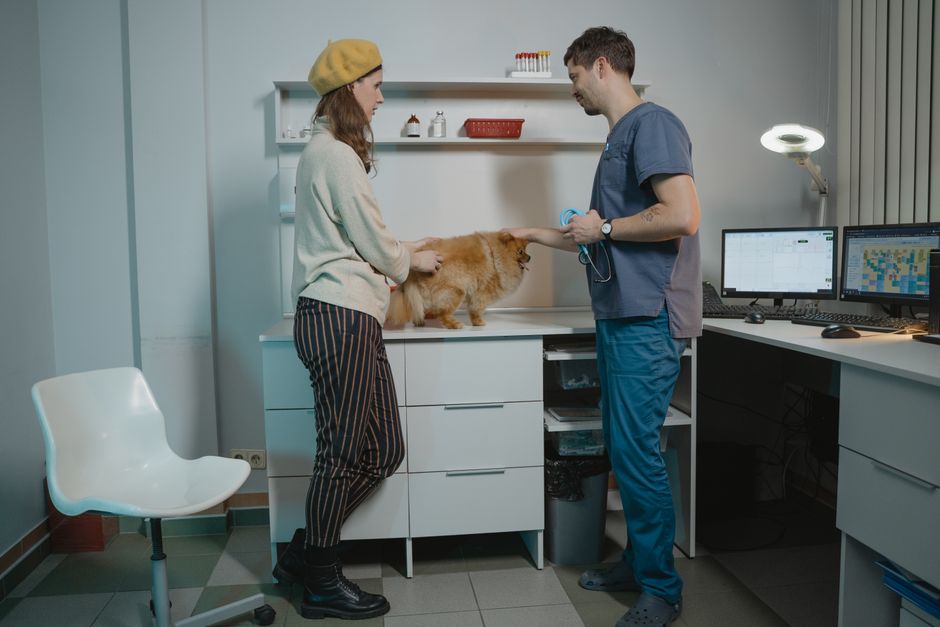
Traveling beyond the border with a cat, dog or ferret requires a pet passport and sometimes anti‑parasite treatments. In Lucerne, visit an authorized vet at least 48 hours before departure for checks and stamps.
- Recommended clinic (example): Tierarztpraxis Luzern, Obergrundstrasse 12, 6003 Luzern. Opening hours: Monday–Friday 08:00–18:00; Saturday 09:00–12:00. Phone: +41 41 210 22 33 (book an appointment).
- Indicative costs: pet passport €35–60; rabies vaccination €25–60; anti‑parasite treatment €15–35.
Pet checklist:
- EU pet passport (stamped by the vet)
- Proof of valid rabies vaccination
- Treatment for ticks/worms if required by the destination country
- Microchip identification (record the number)
Local tip: ask the vet for a certificate in English/German and keep a scanned copy of the passport on your phone. In summer, avoid crossing the border at midday to reduce heat stress for your pet in the car.
5) Health insurance and medical documents: EHIC, medications and certificates
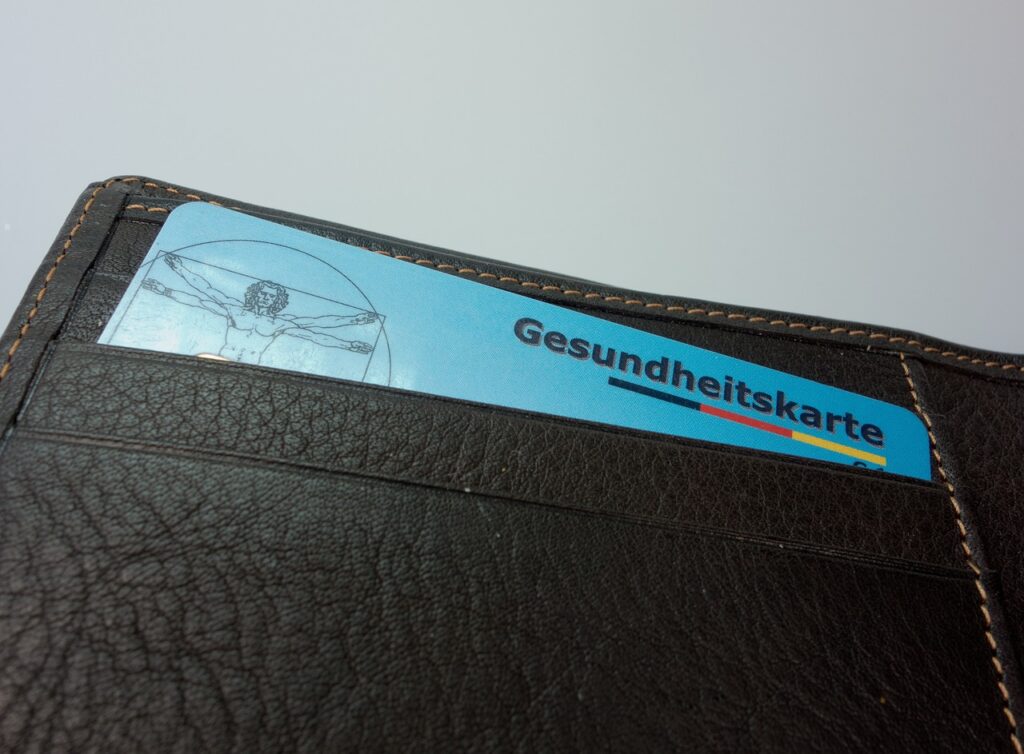
Before crossing the border, make sure you have the necessary health documents. For the EU, the European Health Insurance Card (EHIC) or the S1 certificate usually covers temporary care. From Switzerland, your health fund should provide the EHIC. In Lucerne, the office to request duplicates is:
- General health insurer (example): Helsana Service Center, Bahnhofquai 12, 6003 Luzern. Opening hours: Monday–Friday 08:00–17:00. Phone: +41 58 340 90 00.
- Cost: EHIC is usually free if you’re entitled; the S1 certificate may require an administrative request but is typically issued without charge.
Health checklist:
- EHIC card (or scanned/photo copy accessible)
- List of medications and prescriptions (in English/German if possible)
- Insurance number and emergency contacts
- For long‑term care: S1 certificate if applicable
Practical tip: carry both paper and digital copies (photos) and keep prescriptions and your EHIC in an easy‑to‑reach pouch. If you need controlled medicines, ask your doctor for a letter in English (or German) explaining the medical necessity. Also check the card’s validity before you leave: some border desks may ask for immediate proof.
Conclusion — Summary and final recommendations before you cross
Leaving Lucerne and crossing the border calmly requires targeted administrative preparation: check and renew ID at Einwohnerdienste Stadt Luzern, sort vehicle documents and insurance at the Strassenverkehrsamt, prepare customs paperwork for VAT refunds, organize pet passports with an authorized vet, and take your EHIC and prescriptions. Follow the five steps above in the order listed the day before or the morning you depart. In practice, allow half a day to a full day if you need to visit several offices.
Watch outs: cantonal and municipal office hours can change (local public holidays, summer hours), so call ahead. Carry Swiss francs for small fees (photos, stamps, urgent supplements), but also keep euros for cross‑border purchases and vignettes if needed. Keep both digital and paper copies of all customs‑stamped documents. Finally, plan an extra 30–60 minutes at the border during busy periods (Friday evenings, local events). By following this step‑by‑step guide and using the provided checklists, you’ll cross the border from Lucerne with fewer administrative hassles and more peace of mind.