





Introduction — Customs & What to Declare: A Simple Traveler’s Guide to Lucerne
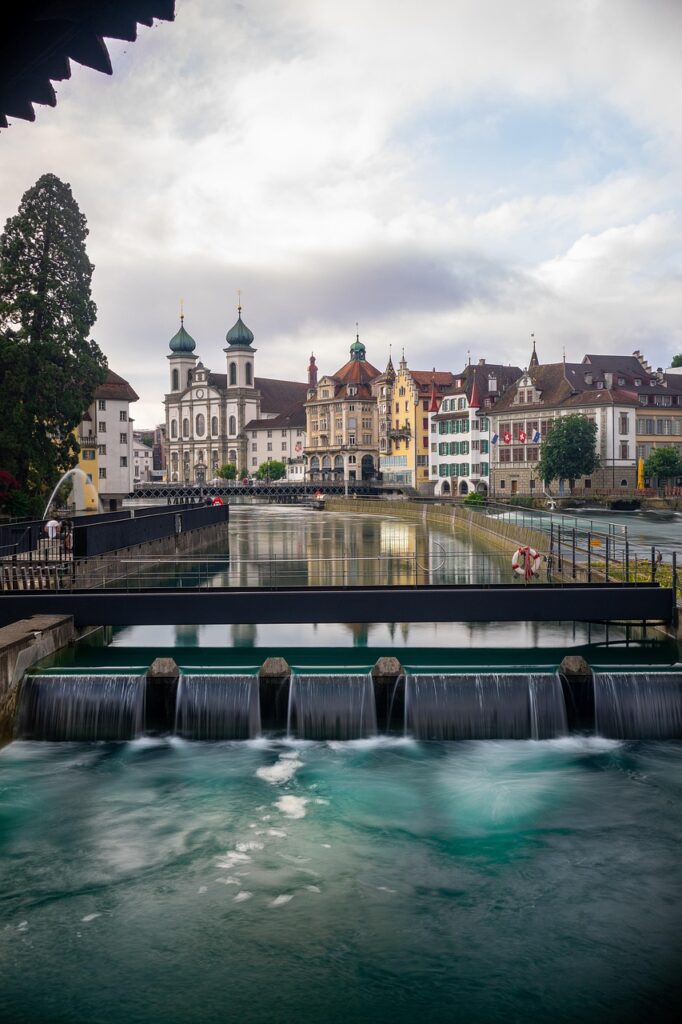
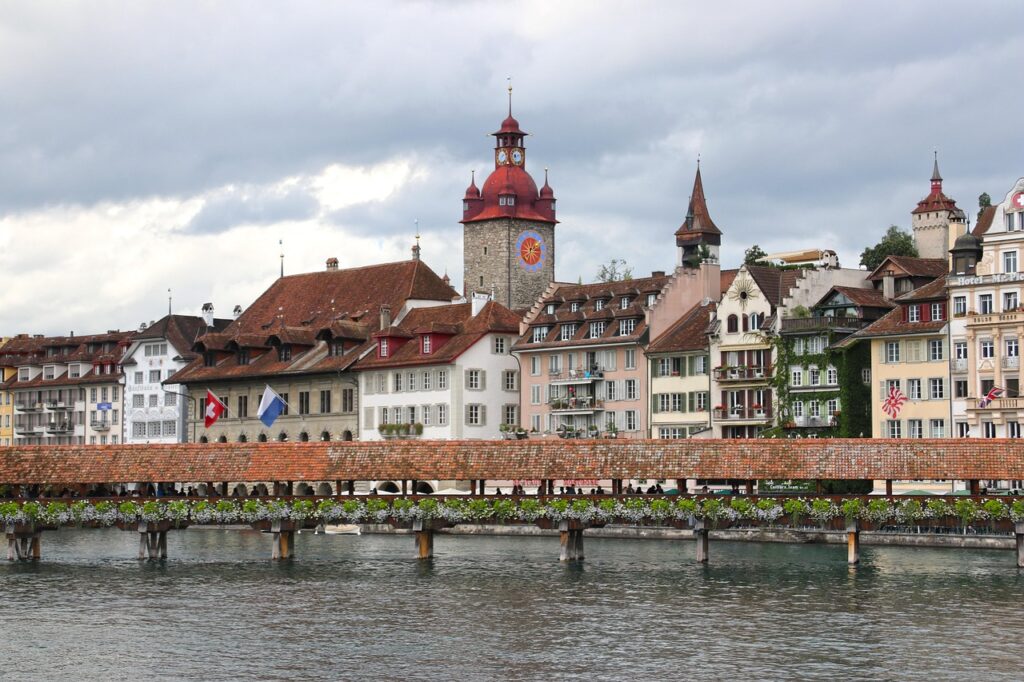
Heading to Lucerne with its cobbled streets, the iconic Chapel Bridge (Kapellbrücke) and sweeping views over Lake Lucerne is a feast for the senses. But before you get swept up in the medieval vibe and mountain backdrops, it’s important to know the customs rules that apply in Switzerland — and specifically when arriving at or leaving from Lucerne. This guide aims to explain, in plain language, what needs to be declared, where to declare it, what it might cost, and practical tips to avoid unpleasant surprises. It’s written for every kind of traveler: tourists, cross-border workers, people bringing back purchases, and those traveling with special items (antiques, artworks, professional equipment).
Switzerland is not a member of the European Union: it has its own exemption thresholds and regulations. Understanding the differences between allowances, import taxes and outright prohibitions is essential. For instance, the allowances for tobacco and alcohol exempt from duty are not the same as those within the EU. Also, some goods — plants, animal products, medicines, and protected species — may require health certificates or special licences. If you buy high-value items in Lucerne, such as Swiss watches, jewellery or paintings, declaration and taxation rules vary depending on value and intended use (personal use vs resale).
This practical guide lists where in Lucerne to complete formalities, gives exact addresses, typical opening hours, usual fees in euros (€) and local tips to save time. You’ll find real-life examples: how to declare a watch bought on Bahnhofstrasse, declare luxury chocolates or cigars, what to do if you’re carrying medication, or how to proceed if your souvenirs exceed customs allowances. The information includes recommendations on documents to keep (receipts, certificates of origin), possible online procedures via the Eidgenössische Zollverwaltung (EZV) and useful phone numbers in case you have questions or are stopped for inspection.
Finally, this guide is designed to be practical and immersive: it not only covers the theory but offers visual descriptions of the places (customs posts, offices, main entry points), tips to avoid queues, and local hacks — for example the best time to go to Bahnhofplatz to declare calmly, or which offices accept euros (€) versus Swiss francs (CHF). If you’re ready, let’s start with the essentials: where to go in Lucerne to declare, which categories of items are declarable and a step-by-step on how to proceed.

1) Where to declare in Lucerne: addresses, opening hours and practical details
If you need to declare goods or get official information in Lucerne, the two main contact points are the local customs office and the central train station (where officers often carry out spot checks). Here are the addresses and general opening hours to know:
- Customs office – Eidgenössische Zollverwaltung (EZV) – Aussenstelle Luzern
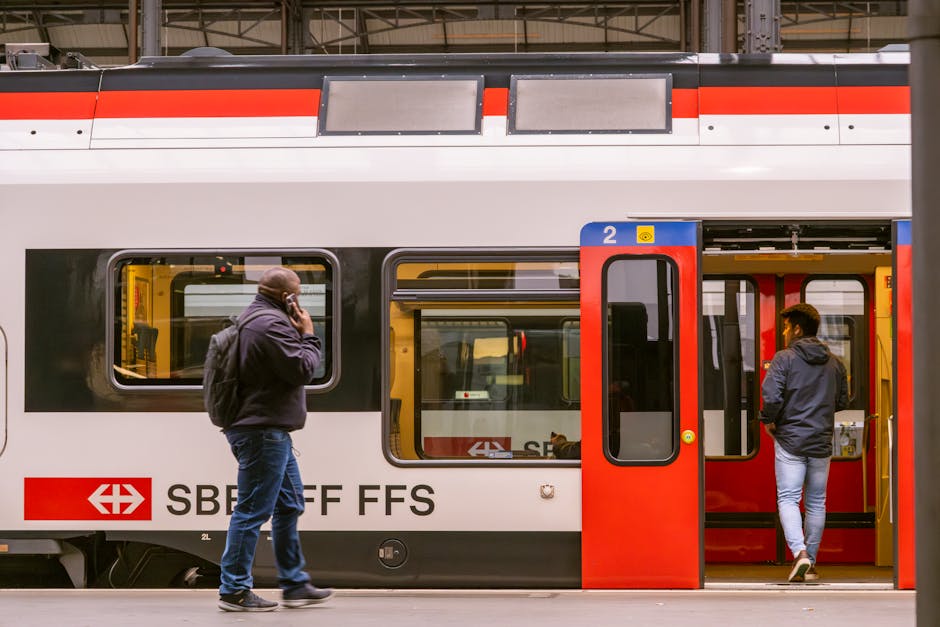
Address: Zollstelle Luzern, Bahnhofplatz 1, 6003 Luzern (located at Lucerne main station).
Opening hours: generally Monday–Friday 08:00–12:00 / 13:30–16:30. Closed on weekends. It’s recommended to call ahead to confirm opening times and the availability of an English- or French-speaking officer. Spot checks can occur 24/7 at road, rail and airport entry points. - Tourist info & customs assistance point (Lucerne Train Station)
Address: Luzern Tourismus, Bahnhofplatz, 6003 Luzern. Customs officers sometimes patrol jointly in the station area.
Opening hours: daily 09:00–18:00 in high season (April–October). They can direct you to the competent customs office or provide specific brochures. - Nearest airport (for international arrivals) – Zürich Airport
Address: Flughafen Zürich, 8058 Zürich (about 50–60 minutes by train from Lucerne).
Opening hours: customs open 24 hours for international arrivals. If you arrive by plane, most formalities can be handled in Zurich before you reach Lucerne.
How to declare: Switzerland offers paper forms and online services via the Eidgenössische Zollverwaltung (EZV) website. For temporary imports (for example musical instruments, professional equipment), an ATA carnet may be used. Payments of duties or fines are usually required in Swiss francs (CHF); some offices accept euros (€) but the applied exchange rate may differ. To avoid bank fees or poor exchange rates, bring a modest amount in CHF (for example CHF 50–200). In an emergency, the EZV information number is +41 58 481 36 35 (check language availability).
2) Common items you must declare: rules, allowances and numerical examples
Below are the most commonly concerned categories and the general declaration rules that apply when entering or leaving Switzerland via Lucerne. Amounts are shown in euros (€) for clarity, but note customs operate in Swiss francs (CHF) — approximate exchange rate: 1 EUR ≈ 1.05 CHF (varies).
- Alcohol and tobacco
Allowance for adult travelers (arriving from a non-EU/Schengen country): generally, maximum 1 litre of spirits over 22% ABV OR 2 litres of alcohol ≤22% ABV plus 4 litres of still wine. For tobacco: 200 cigarettes, 250 grams of rolling tobacco or 50 cigars. If you exceed these amounts, you must declare and pay customs duties. Example cost: duties and taxes can range from €50 to €200 depending on the excess. - Personal goods and gifts
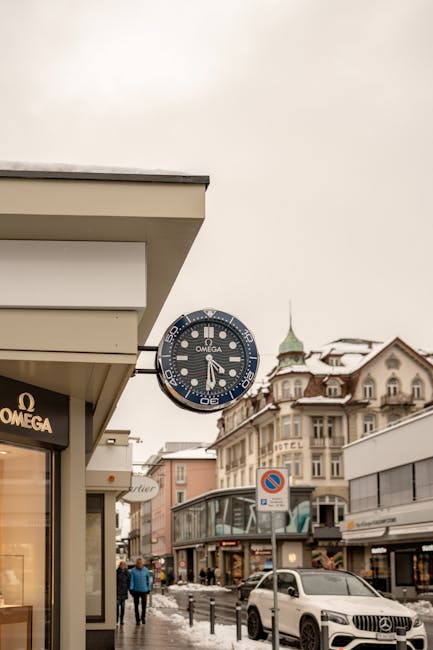
There is an allowance for goods up to a limited value (often ≈ CHF 300 for land/rail travelers). Beyond that, the total value of goods (excluding personal effects) is taxable. Example: if you buy a watch in Lucerne for €1,500 and exceed the allowance, expect duties based on the object type and Swiss VAT (7.7% for most goods) plus possible import duties. - Art, antiques and protected species
Works of art and antiques may require certificates of origin. Protected species (CITES) require permits. If you buy a painting or sculpture at Galerie Löwencorner (local example), keep the invoice and certificate for declaration. Non-compliance can lead to confiscation and significant fines. - Medicines and pharmaceutical products
Medication for personal use is generally tolerated if accompanied by a prescription or medical justification. If you transport quantities exceeding personal use (e.g. more than a three-month supply), a medical certificate may be required.
Practical tip: keep all your receipts (shop slips, jewellery invoices, certificates) organised in a separate folder. During a check at Lucerne station (Bahnhofplatz 1) or at the customs office, being able to present documents quickly speeds up procedures significantly. If in doubt, declare voluntarily: transparency often reduces penalties.
3) Specific procedures: declarations, fines and traveler advice
How you declare depends on your context: arriving by train, car, bus or by plane via Zurich. Here are typical steps and common mistakes to avoid:
- Voluntary declaration at customs
If you know you exceed allowances, go to the customs office in Luzern (Zollstelle Luzern, Bahnhofplatz 1) before leaving the area. Fill in the declaration form (paper or electronic via EZV). You’ll get a receipt and a calculation of taxes to pay. Payment: bring CHF or sometimes EUR. Example fees: Swiss VAT at 7.7% + possible import duties (variable). - Random checks
Officers may carry out random checks at the station (Luzern Bahnhofplatz), at bus stations or at border bridges. If checked, show receipts, passport and train tickets. Be polite; the procedure can take 15–60 minutes depending on the volume of items. - High-value items and temporary export
For items such as musical instruments, expensive camera gear, or vehicles, use a temporary export document (ATA carnet). For a valuable watch or jewellery (e.g. €5,000), customs may require pre-registration to prove it was bought in Switzerland if you want a VAT refund on export. - Fines and penalties
Penalties for non-declaration vary: administrative fines (e.g. €50–500 or equivalent in CHF) for minor offences, confiscation for prohibited goods, and in cases of deliberate fraud, criminal proceedings. Example: undeclared importation of several kilos of tobacco can lead to confiscation and a fine of several hundred euros.
Local tip: go early in the morning to the Zollstelle Luzern (often shorter waits between 08:00 and 10:00). If you have duty-free purchases in Lucerne, ask the retailer for the tax refund form and keep it for customs. Tourist shops on Bahnhofstrasse or near the Chapel Bridge often provide this service for non-residents.
4) Local tips and practical scenarios for a hassle-free trip
To make your customs experience in Lucerne as smooth as possible, here are practical scenarios, tips and concrete information drawn from local experience:
- Scenario A — You buy a €1,800 watch in Lucerne
Keep the detailed invoice and ask for the tax-free form if you’re a non-resident. When leaving the country (for example at Zurich Airport, Flughafen Zürich, 8058 Zürich), present the unused watch, the invoice and your passport at the tax refund desk. VAT (7.7%) can be refunded after validation. If you leave by road toward the EU, present the documents at the border post and to the Zollstelle Luzern if you’re temporarily exiting Switzerland. - Scenario B — You have more tobacco than the allowance
If you carry 300 cigarettes (over the 200 limit), go to the customs office before crossing the border or leaving the station. Wait for the tax calculation; the amount depends on the excess. Paying promptly avoids confiscation and penalties. - Scenario C — Special medications
Carry a prescription in English or French; if possible, translate the prescription into German to ease communication with Swiss officers. Bring a short medical summary (in French/English) explaining why the medication is needed. - Prepare your file
– Scan your receipts and email them to yourself. – Print certificates (CITES, art invoices). – Keep a separate document folder. - Useful hours and fees to remember
– Zollstelle Luzern (Bahnhofplatz 1): 08:00–12:00 / 13:30–16:30 (Monday–Friday).
– Indicative fee for a voluntary declaration: often free for a simple check; applicable taxes calculated on the value. – Fine range for detected non-declaration: approximately €50–500 (varies).
Final local tip: take the opportunity while in Lucerne to visit a few iconic spots (but allow enough time for customs). Lucerne station (Bahnhofplatz 1, 6003 Luzern) is a short walk from the Chapel Bridge (Kapellbrücke, Kapellbrücke, 6002 Luzern) and the Lion Monument (Löwendenkmal, Denkmalstrasse 4, 6002 Luzern). If you need to wait after declaring, the terrace at Café Heini on Bahnhofstrasse 5 (a coffee ≈ €3.50–4.50) is a lovely spot to watch everyday Lucerne life.
Conclusion — Practical summary and final recommendations
Traveling to Lucerne is a rich experience: alpine scenery, historic sites and luxury shopping. However, to prevent customs logistics from spoiling your trip, it’s essential to know the basics: what’s duty-free, which items must be declared, and where to complete formalities. Key places to remember are the Zollstelle Luzern (usually at Bahnhofplatz 1, 6003 Luzern), Lucerne train station (Luzern Bahnhof, Bahnhofplatz 1), and for international air arrivals, Zurich Airport (Flughafen Zürich, 8058 Zürich). Customs offices typically operate Monday to Friday morning and afternoon and are closed on weekends — so plan to handle things on weekdays whenever possible.
Always keep invoices, certificates and prescriptions handy. For major purchases (watches, jewellery, art), ask about tax refund procedures and make sure you get the necessary forms at the time of purchase. If you carry tobacco or alcohol near the limits, declare proactively: this avoids confiscation and fines. For sensitive items (protected species, antiques), check permit requirements (CITES) in advance and, if needed, contact the Eidgenössische Zollverwaltung (EZV) via their information number.
Lastly, a few practical pointers for a stress-free crossing in Lucerne: arrive early at the customs office to avoid queues, bring some cash in Swiss francs (CHF) for potential payments, and stay polite and cooperative with officers — procedures are often quicker and less punitive if you show transparency and goodwill. Follow these recommendations and you’ll be free to enjoy Lucerne, its chocolates, lakeside walks and shops without administrative headaches. Have a great trip and enjoy discovering Lucerne!