




Introduction — Entering Switzerland from Lucerne: What to Know Before You Go
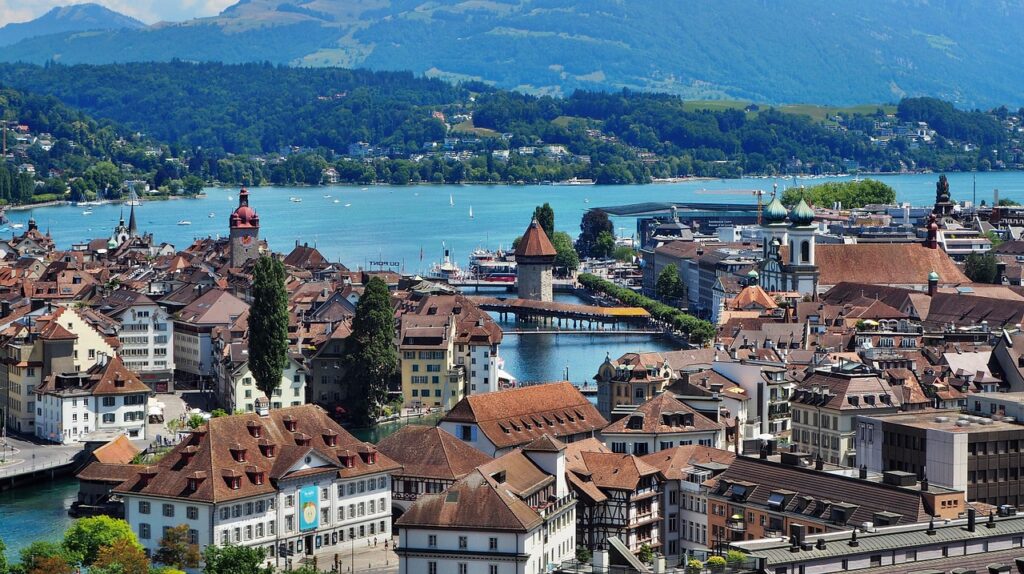
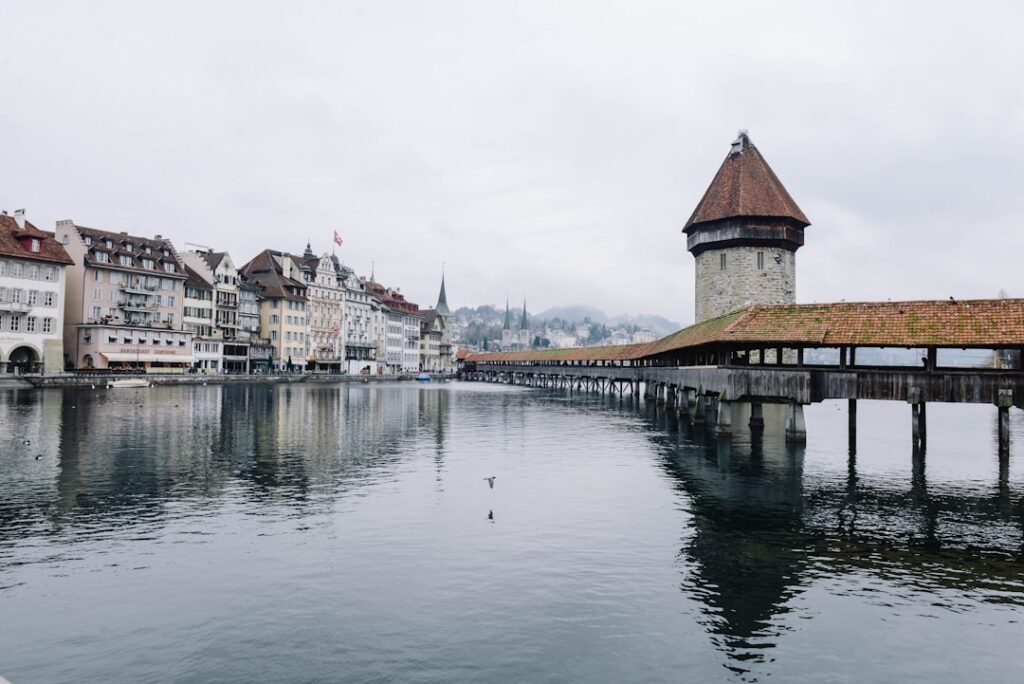
Leaving Lucerne to enter Switzerland or planning a trip starting from this picturesque city requires more than just a train ticket or packed luggage: you need to know the entry formalities, understand customs rules, have useful addresses on hand, and anticipate the costs and opening hours of local administrative services. Lucerne, located in the heart of Switzerland and a common starting point for trips to lakes, alpine passes and Zurich Airport, is an excellent base to organize your arrival — whether you’re an EU tourist visa-free, an intercontinental traveler with a Schengen visa, a driver with a rental car, or a prospective resident coming from a third country.
This comprehensive guide is written for travelers who want to leave Lucerne with peace of mind: you’ll find the documents to prepare (passport, ID card, visa), the procedures to follow depending on your nationality, contact details and addresses for essential offices (Lucerne train station, cantonal migration offices, customs offices), practical transport information and whether the euro is accepted, plus local tips to avoid delays. The information below also covers typical costs expressed in euros (approximate conversion from Swiss francs), usual office hours, and concrete examples — for instance arriving by train from Bahnhofplatz (Lucerne station), catching a flight at Flughafen Zürich, or crossing a road border post into Italy or Germany.
Lucerne is generally easy for arrivals and departures: the central station (Bahnhof Luzern) is a major rail hub, home to key tourist services and the connection point for international buses and trains. Still, Switzerland is more than Schengen: its customs rules, the requirement for a motorway vignette to use motorways, alcohol/tobacco limits and rules on cash deserve attention. This guide focuses on practical steps, exact office hours and addresses where you can complete formalities, and offers local tips — for example where to exchange money in Lucerne, how to avoid queues at the SBB ticket office, or the indicative price of a motorway vignette.
Finally, you’ll find recommendations for special situations: entering with pets, carrying medication, temporarily importing a vehicle and possible health checks. Administrative details can change: we recommend checking the latest updates with the authorities mentioned before you travel. Always keep both digital and paper copies of your documents, and know where to go in Lucerne for administrative emergencies. Enjoy the read — and safe travels from Lucerne into the rest of Switzerland!
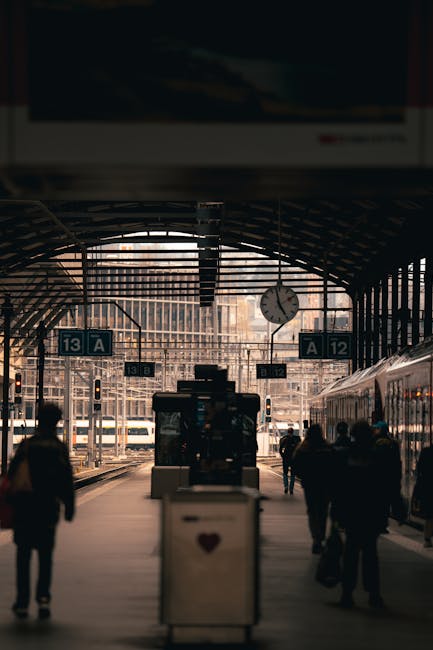
Identity documents and visas: who needs what?
The first question to sort before leaving Lucerne is what travel document you need. Switzerland follows Schengen rules for internal/external border control; however, it maintains its own policies on visas and entry.
– Citizens of the European Union (EU) / European Economic Area (EEA) and Switzerland: for short tourist or business stays (less than 90 days within 180 days), a valid national ID card is sufficient. It is still recommended to carry a passport if you plan to fly or travel outside Europe. Practical example: a French traveler leaving Lucerne for an excursion to the St. Gotthard Pass will only need their ID card.
– Citizens of third countries covered by the Schengen visa waiver (e.g., United States, Canada, Japan, Australia): entry without a visa is possible for short stays (maximum 90 days within a 180-day period) for tourism, family visits and business. A passport valid at least three months beyond the planned date of departure from the Schengen area is recommended. Warning: nationals of countries that require a visa must obtain a Schengen short-stay visa (type C) before entering Switzerland.
– Applicants for long-stay visas or residence permits: if you plan to stay for more than 90 days (work, study, family reunification), you must contact the Canton of Lucerne Migration Service to start the permit procedure (B or C permit as applicable). Useful administrative address: Migrationsamt Kanton Luzern, Hirschengraben 9, 6003 Luzern (check opening hours before you go). Applications for a B permit usually require a valid employment contract or proof of university admission. Processing times can range from several weeks to a few months.
– Visa fees: a Schengen short-stay visa typically costs 80 EUR for adults and 40 EUR for children (indicative rate — check the consulate for current fees). Cantonal permit application fees vary widely; expect to pay from around 50 to 200 EUR for filing, not including additional costs for translations, legalization or health insurance.
– Practical tips: bring compliant ID photos, proof of travel insurance (recommended minimum coverage €30,000 for emergency medical care in the Schengen area), proof of accommodation (hotel confirmation or host address) and evidence of financial means. Scan and store these documents in a secure cloud and keep a printed copy in your luggage.
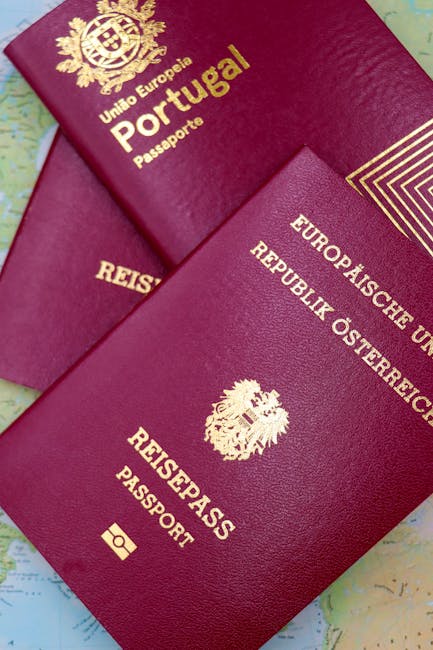
Customs checks and import limits: alcohol, tobacco, cash and goods
Although border checks are often not systematic within the Schengen area, Switzerland remains a sovereign state with its own customs rules. Leaving or entering Switzerland from Lucerne, especially by car or on routes toward Italy/Germany, means complying with clear rules on goods, alcohol, tobacco and cash.
– Limits for adult travelers (typical allowances): alcohol — 1 litre of spirits over 22% ABV or 2 litres of alcohol under 22% ABV, plus 16 litres of beer. Tobacco — 250 cigarettes or 250 g of smoking tobacco. These limits are indicative: if you exceed them, customs duties and taxes will apply. Rules may vary depending on whether you come from the EU or a non-EU country.
– Cash: amounts of €10,000 or more in cash (or equivalent) entering or leaving Switzerland must be declared. Failure to declare can result in fines and partial seizure of funds.
– Commercial goods and professional equipment: any import for commercial purposes requires a customs declaration and possibly authorization. For vehicles, if it’s a temporary import (rental car), carry the original rental contract and the cross-border authorization provided by the agency.
– Local offices and checks: if in doubt, contact the Zollstelle Luzern (Lucerne customs office) or the Federal Customs Administration (Eidgenössische Zollverwaltung, EZV). Indicative address for information and assistance: Zollstelle Luzern, Zentralstrasse 5, 6003 Luzern (opening hours usually Monday–Friday 08:00–16:00; check online before going). To declare goods or get forms, you can also contact the main customs office at Zurich Airport (Flughafen Zürich, 8058 Zürich-Flughafen).
Transport and connections from Lucerne: station, airport, motorways and the vignette
Lucerne is a central hub for traveling within Switzerland or heading abroad. Depending on your mode of transport — train, plane or car — here’s what you need to know.
– Lucerne Central Station (Bahnhof Luzern): exact address Bahnhofplatz, 6003 Luzern. The station has an SBB Travel Center (ticket desk), ticket machines and luggage lockers. Typical SBB Travel Center opening hours at Lucerne station: 06:00–20:00 (times may vary at weekends). Indicative fares: Lucerne → Zürich Flughafen by regional train or IC: about €18–28 depending on booking and class. It’s often cheaper to buy tickets via the SBB Mobile app or from the ticket machines at the station.
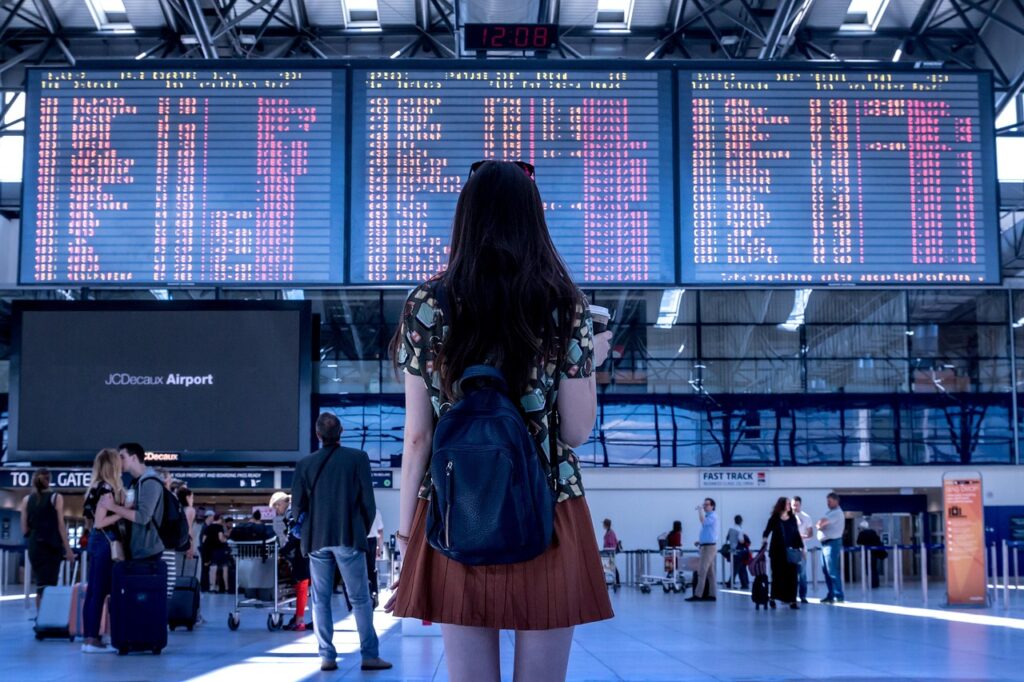
– Zurich Airport (Flughafen Zürich): address Flughafen Zürich, 8058 Zürich-Flughafen. From Lucerne, expect a 45–70 minute direct train journey (see price above). Regular connections mean you should plan a buffer of 2 hours for Schengen flights and 3 hours for intercontinental flights.
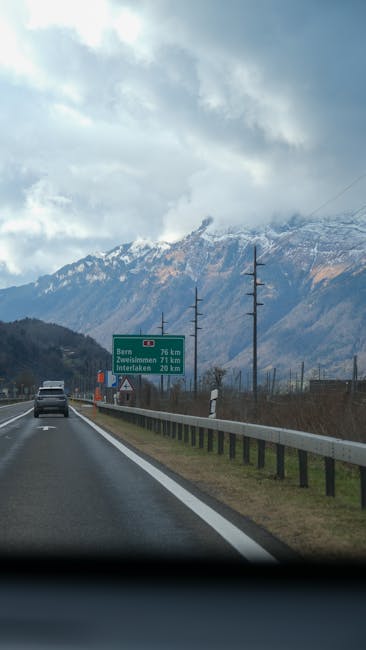
– Car and motorway vignette: if you’re driving, the Swiss motorway vignette is mandatory to use motorways; price: 40 CHF (≈ 38 EUR) for a calendar year. Vignettes are available at tourist offices (e.g., Luzern Tourismus, Bahnhofplatz 6, 6003 Luzern), petrol stations and post offices. Post office opening hours: typically 08:00–18:00 on weekdays.
– Car rental: to rent a car in Switzerland you’ll need a valid driving licence and a credit card for the security deposit. If you plan to cross borders, inform the rental company: some agencies forbid crossing into certain countries without prior authorization.
– Timing and connections advice: Swiss trains are known for punctuality. Still, allow at least 30 minutes to reach a tight connection and 90 minutes for airport formalities on international departures.
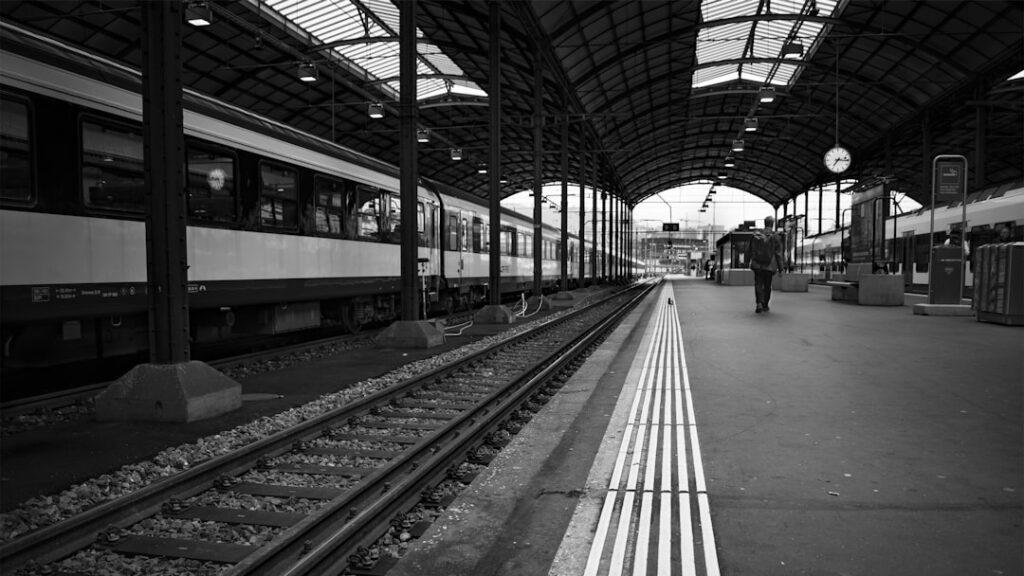
Insurance, health and emergency procedures from Lucerne
Before setting off from Lucerne, check your health coverage. Switzerland is not part of the European Union in terms of health insurance, and medical costs can be high.
– Recommended travel insurance: for temporary visitors, insurance covering at least €30,000 for emergency medical expenses and repatriation is often required for Schengen visa applications. Actual costs depend on the policy; for a week of travel, premiums can start around €15–40 depending on age and coverage.
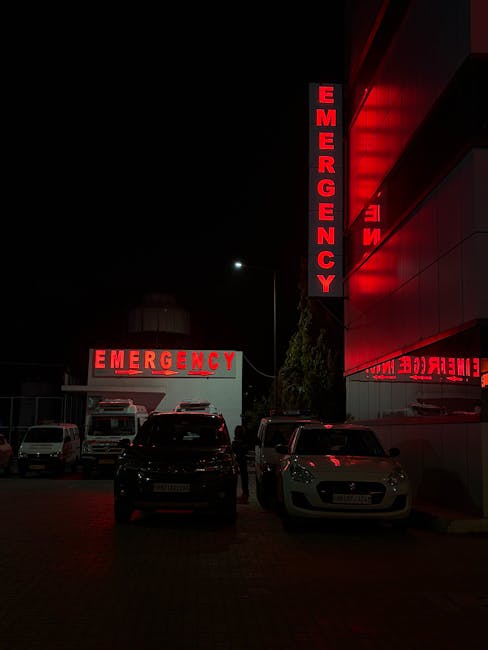
– Pharmacies and emergencies in Lucerne: central pharmacy — Apotheke Luzern, Bahnhofstrasse 29, 6003 Luzern (hours vary; night-duty pharmacy: check with the tourist office). Main hospital: Luzerner Kantonsspital (LUKS), Spitalstrasse 17, 6000 Luzern 16 (24-hour emergency services). For medical emergencies call 144 (Swiss emergency number). For police emergencies call 117.
– Medication and prescriptions: if you carry prescription medicines, bring the original prescription and labeling in English or German. Some narcotics or psychotropic drugs require prior authorization for temporary import.
– Consular assistance: if your country’s embassy is not present in Switzerland, check representation agreements (for example, services offered by a partner state’s embassy). Useful address for complex cases: the consulate or embassy of your country in Switzerland — look up the official address and opening hours. If you lose your passport, go to the nearest consulate (often in Bern or Geneva).
Local practical tips in Lucerne: where to handle paperwork, exchange money and skip the queues
Lucerne offers several service points to complete your formalities before entering Switzerland or heading to other regions. Here are addresses, opening hours and tips to save time.
– Luzern Tourismus (Tourist Office): address Bahnhofplatz 6, 6003 Luzern. Typical opening hours: 08:30–18:00 in high season, 09:00–17:00 in low season. This desk provides information, maps, transport tickets and can direct you to the Post Office or customs office.
– SBB Travel Center (tickets and information): located in the main station, Bahnhofplatz, 6003 Luzern. Usual hours: 06:00–20:00 (confirm locally). Buy international tickets or the Swiss Travel Pass here: the Swiss Travel Pass (3 days, 4 days, etc.) is handy for tourists; indicative price: 3 days around €232 in 2nd class (rate varies by season).
– Currency exchange: several banks and exchange bureaus are around Bahnhofplatz. Banks charge variable commissions; for small amounts, withdrawing Swiss francs (CHF) from an ATM is often the best option. Keep some euros for small purchases in border areas: some shops accept euros but give change in CHF.
– Avoiding queues: for administrative procedures (permits, customs declarations) book appointments online where possible. Cantonal offices often require appointments for residence permit applications. For the station, prefer the SBB Mobile app to buy tickets and skip the counter.

Arriving with pets, valuables and vehicles: specific rules
If you travel with a pet, a valuable instrument or a vehicle, additional formalities apply.
– Pets: dogs and cats must be identifiable by a microchip (ISO 11784/11785), have a pet passport and be vaccinated against rabies (vaccination valid from 21 days after primary vaccination). Check details and timelines with a Lucerne vet. At entry, a veterinary check may be requested if documents are incomplete.
– Valuables (artworks, jewelry): it’s advisable to use a temporary export document (ATA carnet or customs declaration) if crossing borders with high-value items. This avoids import taxes when returning. Check procedures with Zollstelle Luzern.
– Vehicles: for temporary vehicle import, keep proof of ownership and insurance. If you enter with a vehicle registered outside Switzerland and plan to stay more than 12 months, import formalities and technical homologation may be required.

Conclusion — Preparing your entry into Switzerland from Lucerne: summary and final recommendations
Entering Switzerland from Lucerne is made easier by the city’s excellent rail and road infrastructure, but a smooth arrival still requires preparation: check identity documents and visas, understand customs rules (alcohol, tobacco, cash), consider health insurance and specific procedures (pets, vehicles). Always carry originals and copies of your documents, proof of insurance and, if needed, pre-book appointments with cantonal services or customs.
Before you go, note key Lucerne addresses: main station Bahnhofplatz, 6003 Luzern (SBB Travel Center), Luzern Tourismus at Bahnhofplatz 6, 6003 Luzern, and Luzerner Kantonsspital hospital, Spitalstrasse 17, 6000 Luzern 16. For the airport, the address is Flughafen Zürich, 8058 Zürich‑Flughafen. Buy the motorway vignette (40 CHF ≈ 38 EUR) if you’ll use Swiss motorways; exchange a small amount of cash or plan ATM withdrawals for CHF payments. Finally, remember that regulations can change: consult official sites (Eidgenössische Zollverwaltung, Staatssekretariat für Migration, SBB) and your country’s consulate before departure.
With these tips and the practical addresses in this guide, you’ll be able to organize a calm arrival into Switzerland from Lucerne, avoid common mistakes and make the most of your stay in this spectacularly scenic country. Safe travels!