




Introduction — Getting your paperwork ready to enter Switzerland via Lucerne: what you need to know
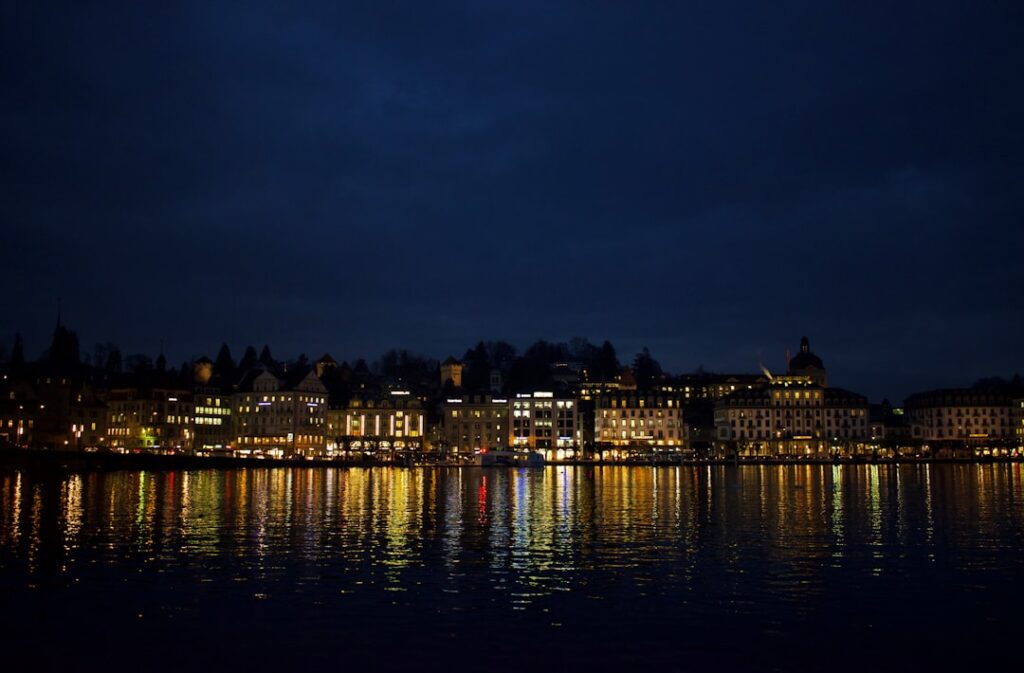
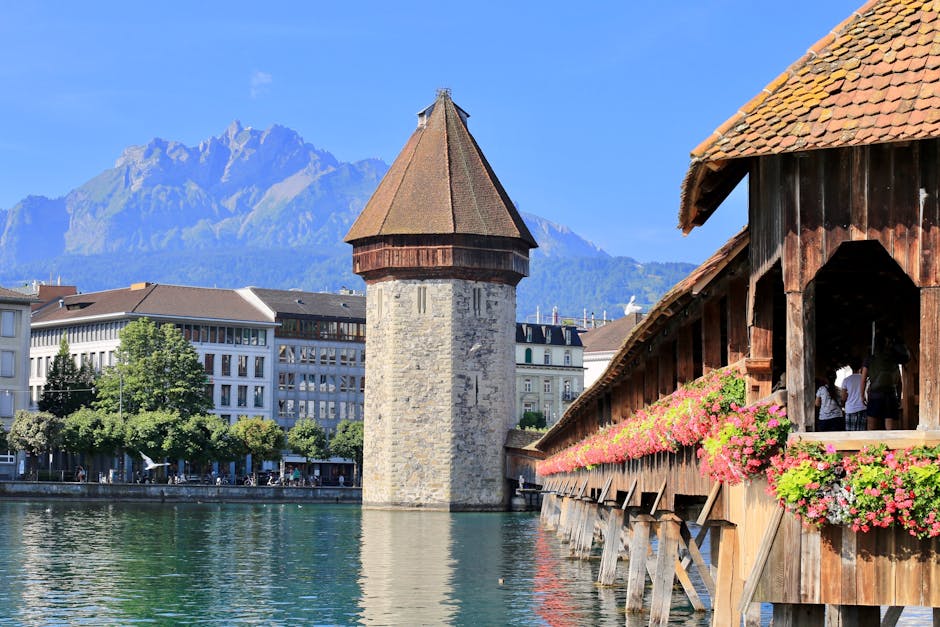
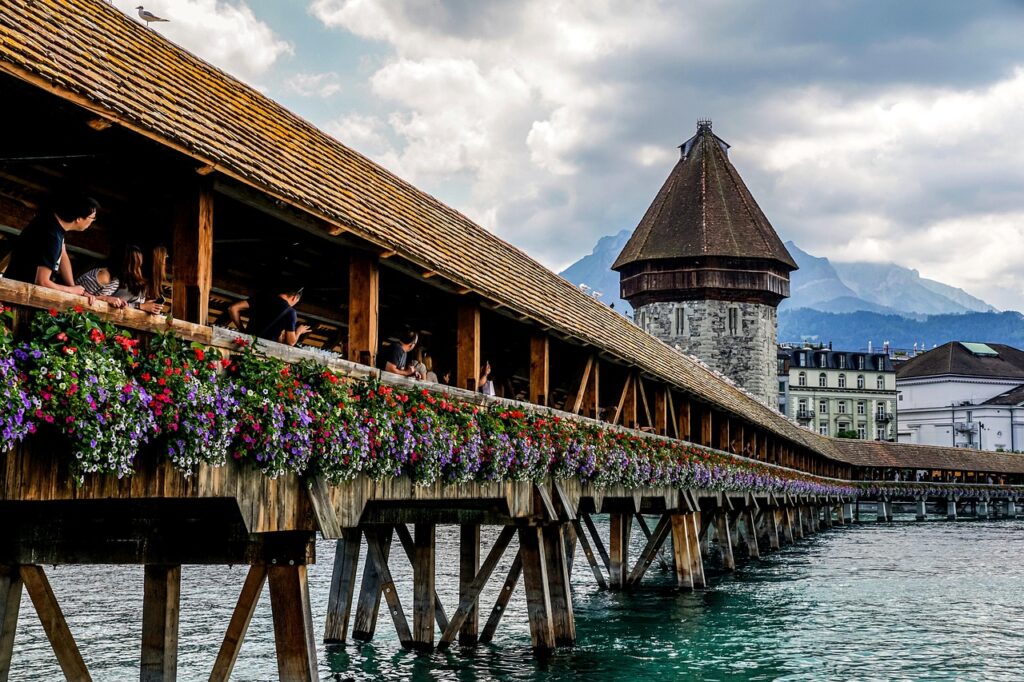
Lucerne (Luzern) is often seen as the idyllic gateway to central Switzerland: its historic wooden bridge, the shores of Lake Lucerne and the main train station make it a busy transit hub for tourists, students and international workers. But before you enjoy a morning tune on the Kapellbrücke or hop on a boat to Vitznau, it’s essential to have a set of administrative and practical documents ready. This article aims to give you a thorough, professional and practical guide to the essential documents to prepare in Lucerne before entering Switzerland — whether you’re a tourist, seasonal worker, student or driver arriving by car.
Switzerland, while participating in the Schengen area for free movement of persons, keeps its own rules on immigration, residence permits and border checks. Depending on your nationality, length and purpose of stay, the required documents can vary widely: a valid passport, Schengen or national visa, proof of accommodation, valid health insurance, evidence of financial means, job offer letter, rental agreement, international driving permit and documents for pets are among the most common. In Lucerne, several regional offices and services can help you obtain, verify or submit these documents: the tourist office for initial information, the cantonal migration office for permit applications, the police for certain certificates, and key arrival points like the main station (Luzern Bahnhofplatz) and Zurich Airport (Flughafen Zürich) if you fly in.
This article will walk you through step by step: what documents to bring on travel day, what formalities to complete once in Lucerne, where to go to submit applications, typical prices in euros (approximate conversion from Swiss francs), opening hours for the main offices and local tips to anticipate setbacks. You’ll also find practical pointers for drivers (vehicle documents), students (registrations and B or L permits) and travellers with pets (pet passport, vaccinations). In addition, specific address recommendations in Lucerne and indicative fees will help you plan your arrival with peace of mind.
Finally, this guide includes pre-departure tips (check passport validity, photocopies, scanning documents), a checklist of documents to present on arrival, and local tricks to avoid queues and save time — for example: book an online appointment with the competent cantonal office, know the busy times at the train station and choose off-peak hours, or use certified translation services if needed. Prepare your paperwork methodically and calmly: Lucerne will then offer you Swiss beauty and serenity — but only if your documents are in order.
1) Identity documents and visas: passport, Schengen visa and national visa
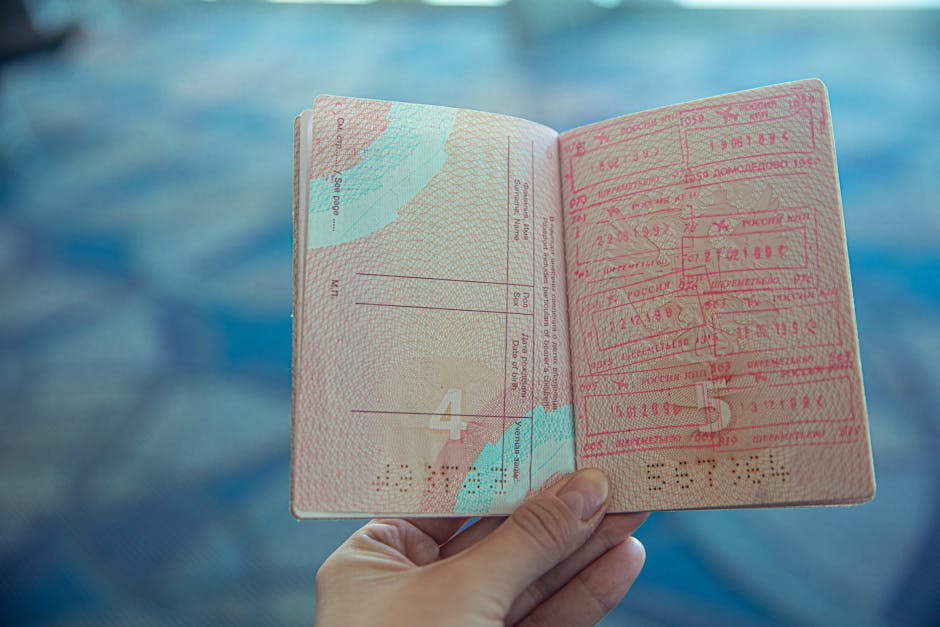
The fundamental document for entering Switzerland is always a valid identity document. For the vast majority of visitors that means a passport. Here’s what you need to know in practice before arriving in Lucerne:
- Passport: your passport must be valid at least for the planned length of stay. Some airlines and authorities still require at least 3 months’ validity beyond your planned departure date. Also keep a paper photocopy and a digital copy (scan or photo) stored securely. Useful local address in Lucerne for emergency formalities: Luzern Tourist Information, Bahnhofplatz 5, 6003 Luzern — usual opening hours 09:00–18:00 (seasonal variations), cost for photocopies in town: around €0.50–€1.50 per page at service centers.
- Schengen visa (short stay): if you’re a national of a country that requires one, you must obtain a short-stay Schengen visa (maximum 90 days within 180 days) before travelling. The standard fee is about €80 for adults and €40 for children (official Schengen rates). Applications are made at the competent consulate or embassy before departure; you cannot get a Schengen visa at the border in Lucerne. If you arrive by air through Zürich (Flughafen Zürich, Address: Zürich Airport, 8058 Zürich), checks may be stricter at the airport but visas are not issued there.
- National visa (long stay): for study or work you may need a national visa (type D). Fees vary by consulate but are often around €100–€150. Long-term residence permits in Switzerland are handled by the relevant cantonal office: Amt für Migration und Integration Kanton Luzern — address for submission and information: Kasernenstrasse 28, 6003 Luzern (typical hours: Mon–Fri 08:00–12:00 and 13:30–16:30). It’s strongly recommended to book an online appointment before visiting the counter.
- Residence permit application on arrival: in some cases (workers, students, family reunification) you’ll need to apply for a permit (L, B, C depending on duration). Initial permit fees generally range between €60 and €150 (depending on type, converted from CHF), but can vary by canton and situation. In Lucerne, processing times can go from a few days to several weeks, so plan temporary accommodation and proof of financial means.
Practical tips: arrive with certified copies if possible, a translated civil status document (if required), and a proof of accommodation booking. Cantonal officers in Lucerne appreciate complete, well-organized files. If you have a biometric visa currently being renewed, keep the receipt and proof of appointment.
2) Proof of stay, accommodation and financial means: reservations, contracts and bank statements
The second category covers proof of the purpose and means of your stay: accommodation, financial resources and invitation letters where relevant. These documents are often requested at checks, especially for longer stays or if a national visa is being processed.
- Proof of accommodation: a hotel booking, a signed and dated private invitation letter, or a rental agreement are essential. A concrete example in Lucerne: a booking at Hotel des Balances, Weinmarkt 2, 6004 Luzern — reception open 24/7, indicative low-season rate: €95 per night (standard double), high season: €140 and up. If staying privately, the invitation letter must state your full name, dates of stay, exact address (for example: Musterstrasse 12, 6003 Luzern) and include a copy of the host’s ID. Keep the original signed document.
- Proof of financial means: authorities may request a recent bank statement (last 3 months), a document proving an employment contract, or a sponsorship letter. Required amounts aren’t universal but for tourism plan on at least €50–€100 per day depending on your travel style; for a residence permit application, stronger proof (available funds, salary or scholarship) will be required. Bank statements should be dated within the last 30 days.
- Employment contract or admission letter: for workers and students, signed copies of the employment contract (showing salary, duration and role) or the university admission letter (e.g. Universität Luzern, Frohburgstrasse 3, 6002 Luzern — registration fees vary; contact the registrar) are key. A contract speeds up permit issuance and accelerates administrative processes at the cantonal office.
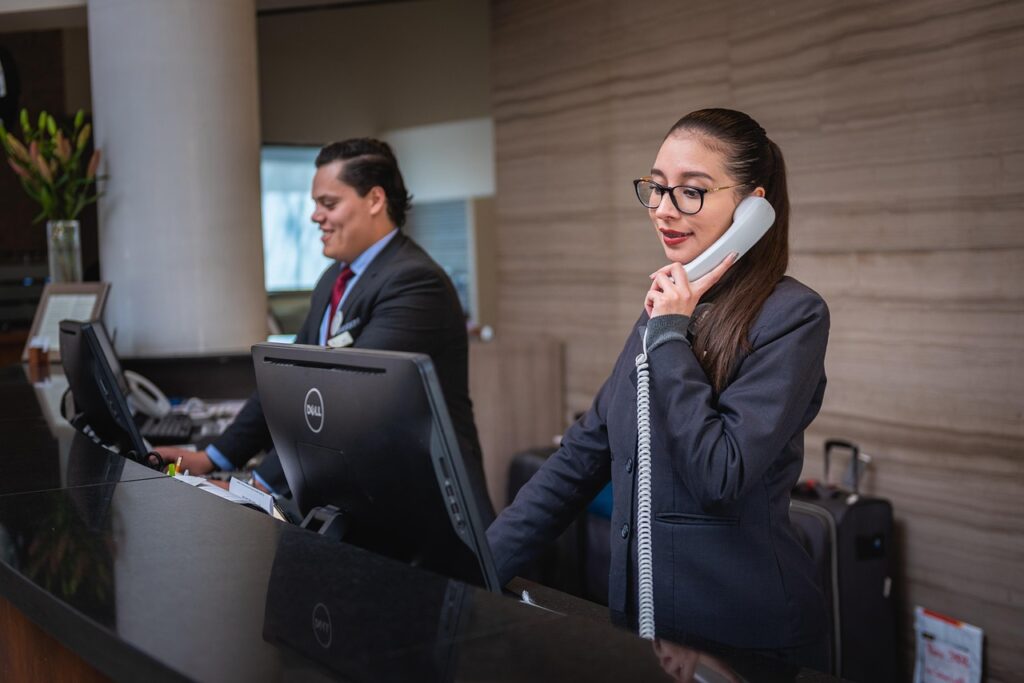
Useful hours and addresses in Lucerne for these steps: the cantonal office (Amt für Migration und Integration) is by appointment Monday to Friday, 08:00–12:00 and 13:30–16:30; Luzern Tourist Information (Bahnhofplatz 5) can help with photocopies, printing and basic accommodation questions. Practical fees in town: A4 printing €0.20–€0.50 per page; certified translation (if needed) €40–€80 per page depending on language and translator.
3) For drivers: vehicle documents, insurance and the Swiss motorway vignette
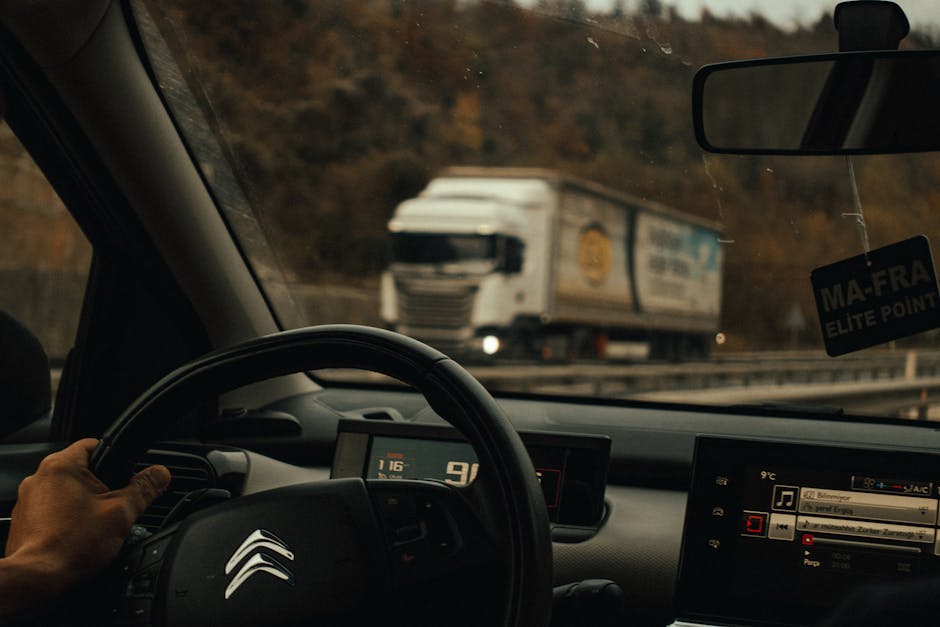
If you arrive in Lucerne by car from a neighbouring country, prepare a complete file to drive and park legally. Switzerland has strict rules on insurance, the motorway vignette and driving licences.
- Driving licence: your national licence is generally valid for temporary stays. For long-term residence (residence permit), you’ll need to exchange it for a Swiss licence within the designated timeframe (often 1 year). Non-European drivers are advised to carry an international driving permit alongside their national licence. In Lucerne, the cantonal motor vehicle offices (Strassenverkehrsamt Luzern) are usually near the cantonal administrative centre — indicative address for information: Werkhofstrasse 5, 6002 Luzern (hours: Mon–Fri 08:00–12:00 and 13:30–16:00). Exchange fees: approx. €40–€120 depending on procedure and whether a test is required.
- Vehicle insurance and the green card: valid motor insurance for Switzerland is mandatory. Make sure the green card (international insurance certificate) covers Swiss territory. If you rent a car abroad, check whether the rental contract covers Switzerland. In the event of a road check or an incident, the Kantonspolizei Luzern (Kasernenstrasse 28, 6003 Luzern — 24/7 service) may ask for proof of insurance and registration.
- Swiss motorway vignette: required to use Swiss motorways. It’s currently sold as an annual sticker; the official price is about 40 CHF (roughly €37–€40 depending on exchange rates). You can buy it at border posts, petrol stations near the border, some post offices (PostFinance) and motorway entry booths. Driving on Swiss motorways without it risks a substantial fine.
- Vehicle documents: vehicle registration document, leasing contract if applicable, and owner’s authorization if the vehicle is borrowed. For vehicles registered outside the EU, extra formalities (temporary registration, taxes) may apply.
Local tips: parking in central Lucerne is regulated and often expensive — expect €2–€3 per hour in central zones and check the P+Rail car parks near the station (Parkhaus Bahnhof, Bahnhofplatz, rates vary: €2.50–€3.50 / hour; daily rates €15–€25). If you’re entering from Austria or Italy, plan to buy the vignette at the last petrol station before the border to avoid queues.
4) Students, workers and cantonal procedures: permits, registrations and steps in Lucerne
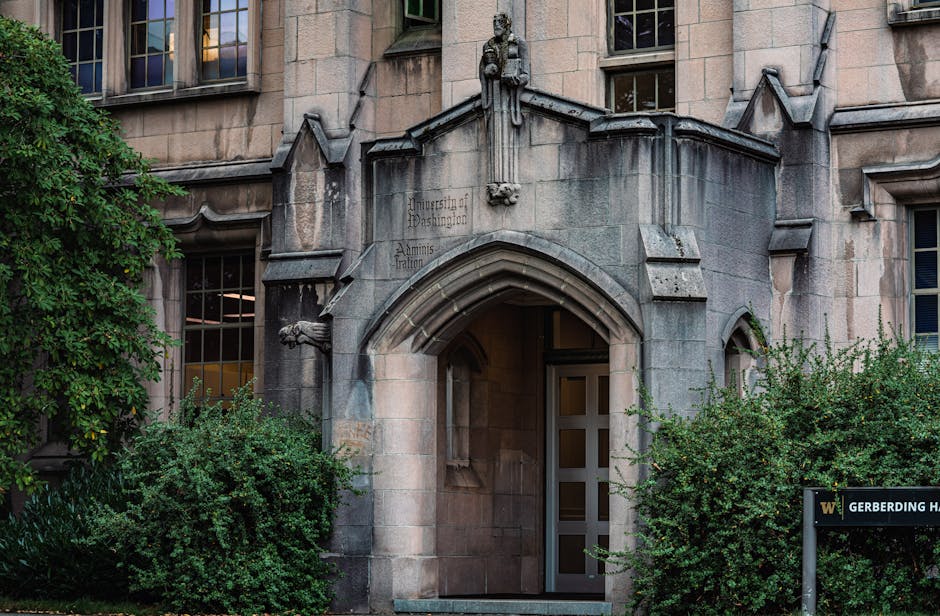
If you’re coming to Lucerne to study or work, the paperwork is more demanding: translated diplomas, employment contracts, health insurance, and sometimes proof of language skills. The canton of Lucerne offers dedicated services for these groups, and it’s crucial to follow the administrative steps in order.
- Students: university admission (e.g. Universität Luzern, Frohburgstrasse 3, 6002 Luzern) or enrollment in a higher education institution (Hochschule Luzern, Werftestrasse 4, 6002 Luzern) requires a formal letter of admission. Non-EU/EFTA students must obtain a national visa (type D) before entry; EU/EFTA students generally need to register with the cantonal authorities. Enrollment fees vary by institution: at a public university semester fees often range from €100–€500 (depending on program and status), while specific courses can cost more.
- Workers: for an employment contract, the Swiss employer often files for authorization with cantonal and federal authorities. Provide a signed contract, copies of diplomas, previous employment certificates and a complete CV. The work permit (short-term L, resident B) depends on the labour market and the salary offered — application fees vary (often €80–€150). In Lucerne, the office following up is typically the Amt für Migration und Integration (address and hours given above).
- Family reunification: this procedure requires proof of family ties, suitable housing (a rental contract showing capacity to host the family), and often proof of sufficient financial means. Processing times can be lengthy; start these procedures several months in advance.
Practical hours and contacts: cantonal services often receive by appointment only — use the Canton of Lucerne’s official website to book a slot and check the exact required documents. Certified translations, criminal record certificates and apostilles may need to be obtained from your country of origin: allow time for dispatch or legalization. Typical fees: certified translation €40–€80 / page; apostille €20–€60 depending on country.
5) Health, insurance and pet documents: what to bring
Health is a priority when travelling internationally. To enter Switzerland (and therefore Lucerne), having certain guarantees and health documents will simplify checks and life on the ground.
- Health insurance: all visitors should be covered by travel insurance/health insurance. For short stays, travel insurance covering at least €30,000 is often required for a Schengen visa application. For those settling in Switzerland (L/B permits), private health insurance or enrollment in Swiss health insurance (LAMal) is mandatory after arrival (registration deadline: generally 3 months). Indicative cost of travel insurance: €20–€60 for a few weeks depending on the plan; Swiss monthly health insurance: variable (often €200–€400 or more depending on coverage).
- Health documents: vaccination records (notably COVID-19 if required — rules have evolved), children’s vaccination booklets, and any medical prescriptions in English or German if you are on treatment. Pharmacies and hospitals in Lucerne may require translations or proof of prescription.
- Pets: if you travel with an animal you’ll need a European pet passport (for dogs and cats), an ISO 11784/11785-compliant microchip, and a valid rabies vaccination (at least 21 days after initial vaccination). For dogs, Switzerland sometimes requires treatment against echinococcosis depending on the country of origin. Veterinary contacts in Lucerne: Tierarztpraxis Luzern, Landenbergstrasse 6, 6002 Luzern — usually open Mon–Fri 08:00–18:00, consultations by appointment. Veterinary fees: pet passport €20–€60, vaccinations €40–€80.
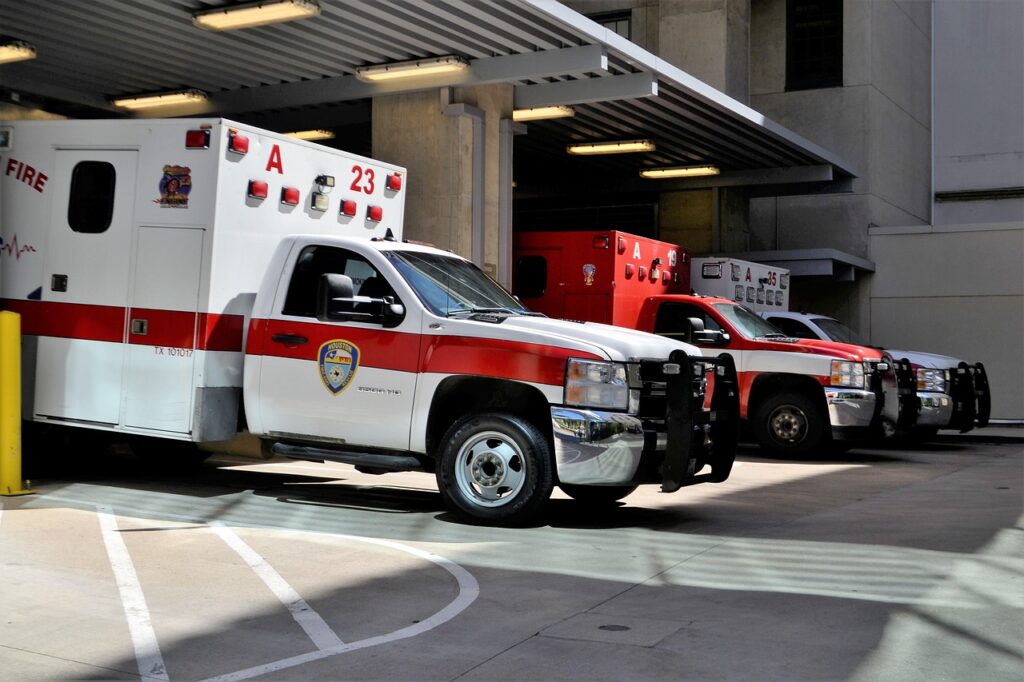
Local tips: keep both paper and digital copies of all insurance and prescriptions. In Lucerne, the Cantonal Hospital (Kantonsspital Luzern, Spitalstrasse 21, 6000 Luzern 16) has an emergency department open 24/7; carry the European Health Insurance Card (EHIC) if you come from an EU/EFTA country — it eases reimbursement for unexpected care. Private clinic consultation fees: €80–€300 for an initial visit without hospitalization.
Conclusion — Check, digitize, anticipate: the key to a smooth arrival in Lucerne
Entering Switzerland via Lucerne requires methodical preparation of documents: passport, possible Schengen or national visa, proof of accommodation and financial means, health insurance, contracts and certificates depending on the purpose of stay, and specific papers for drivers or travellers with pets. Beyond required documents, the key to a calm arrival is anticipation: digitize all your documents, prepare several paper copies, book online appointments with cantonal offices (notably the Amt für Migration und Integration), and check opening hours and exact addresses of the offices you’ll need to visit. The addresses and hours given in this guide (Luzern Tourist Information, Amt für Migration und Integration, Kantonspolizei, Kantonsspital Luzern, universities and motor vehicle services) are a practical starting point, but you should verify current hours and fees on official sites or by phone before departing.
A few final practical recommendations: arrive in Lucerne with an organised file (simple folder or envelope), number the documents and include a summary page at the front listing the contents. If your situation is complex (family reunification, highly skilled worker status, asylum procedures or diploma recognition issues), prioritise an appointment with a legal advisor or a local support service. Finally, keep a financial buffer for unexpected expenses (translations, apostilles, small administrative fees) — allowing €150–€400 as a safety margin is reasonable.
Lucerne, with its peaceful atmosphere and efficient services, makes procedures much easier if you are well prepared. By following this detailed guide to essential documents, you’ll reduce the risk of surprises and turn your arrival in Switzerland into a smooth transition toward discovering spectacular landscapes and an orderly daily life. Have a good trip and welcome to Lucerne — get your papers ready, breathe deeply, and let the city welcome you.