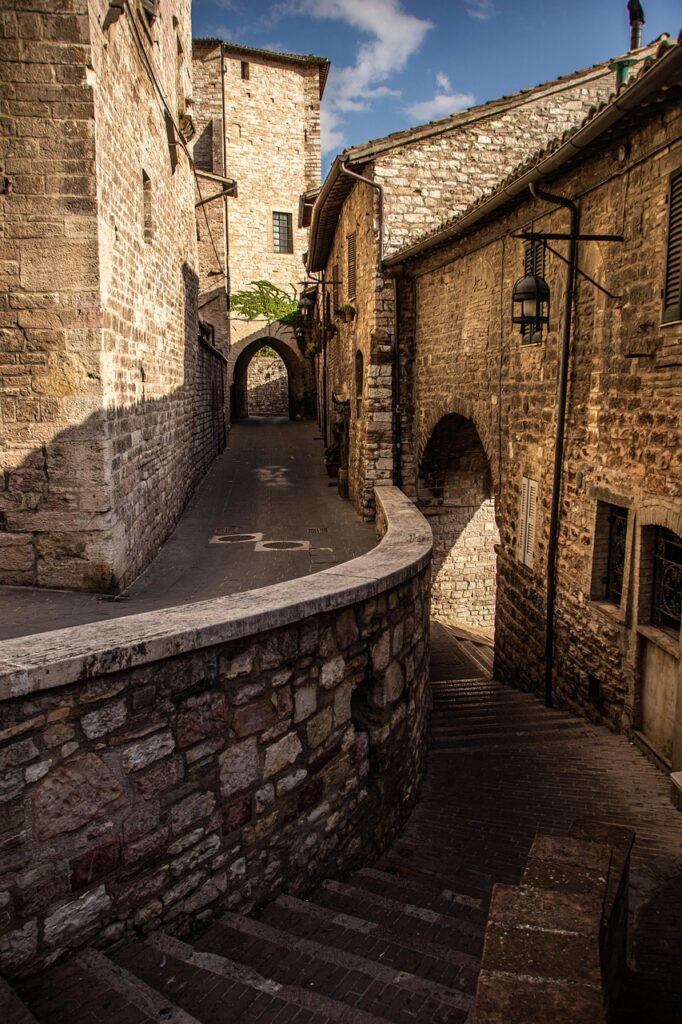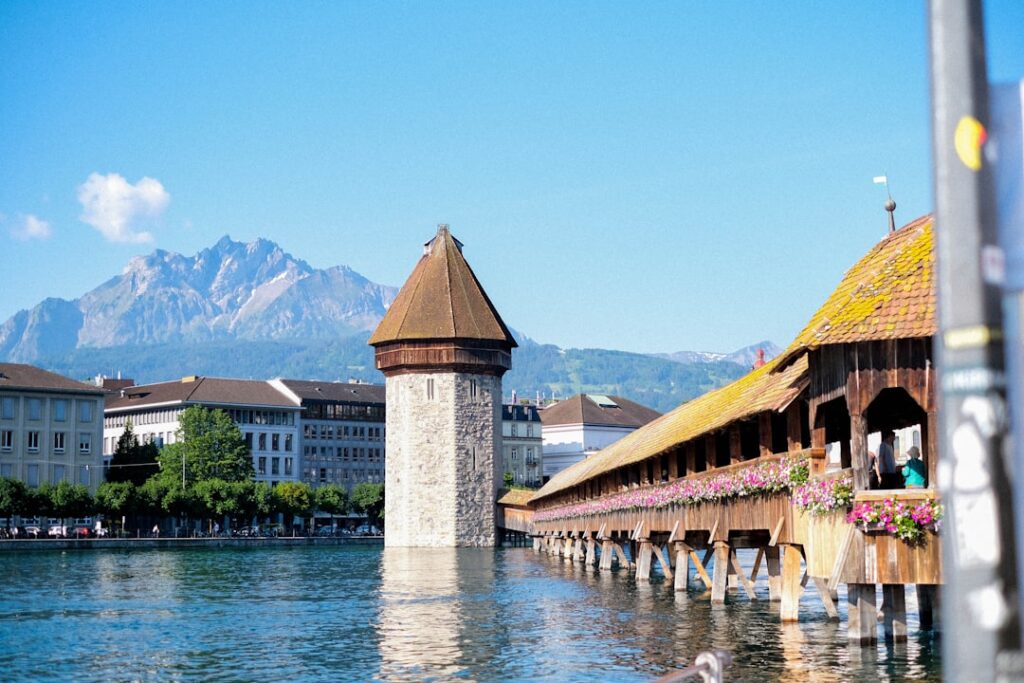






Introduction — Lucerne’s Hidden Alleys: Exploring Forgotten Micro-Neighborhoods
Lucerne (Luzern) often conjures up iconic images: the Chapel Bridge (Kapellbrücke), the Lion Monument, and the picture-perfect lakeside. Yet tucked into the heart of this Alpine town is a web of tiny neighborhoods and forgotten alleys that offer a very different experience — more intimate, more local, and often just as rich in history. These narrow lanes, discreet pedestrian passages, small squares and stone stairways bear silent witness to centuries of urban change and the lives that crossed here. Wander off the usual tourist routes and you’ll find painted façades, old shop signs, artisan workshops, secret cafés and surprising viewpoints of the mountains and the Reuss River.
This guide is a practical, immersive route for curious travelers who want to explore those micro-neighborhoods. It combines precise addresses, opening hours, price ranges and sensory descriptions to make wandering easier. You’ll find suggested alleys to explore, micro-neighborhoods to visit in one-hour chunks, local tips (safety, photography, opening times) and advice to avoid tourist traps. The information here was current at the time of writing, but keep in mind that hours and prices can change, especially during high season (June–August) and local festivals.
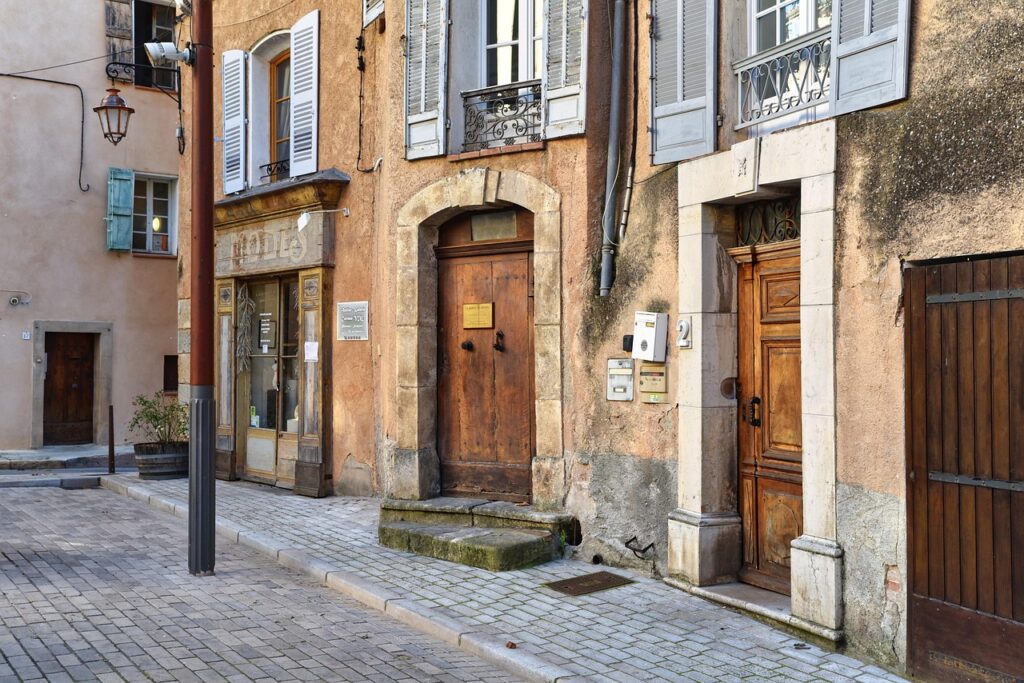
Why focus on alleys? Because they offer another way to read Lucerne: the details of window frames, wall textures, cobbles worn by hooves and wheels, hidden courtyards behind heavy wooden doors, and sometimes the smell of bread coming straight from an artisan oven. These micro-neighborhoods also make for photos with fewer crowds, more authentic encounters with neighborhood shopkeepers, and coffee stops where locals take their time. In this guide I picked areas and alleys you can reach on foot from the main station (Bahnhof Luzern) and from the lake, with approximate distances, full addresses and timing cues. Bring comfortable shoes — cobbles and steps are everywhere, and every alley rewards you for slowing down and looking closely.
Old Town Alleys: Schmiedgasse, Pfistergasse and Weinmarkt
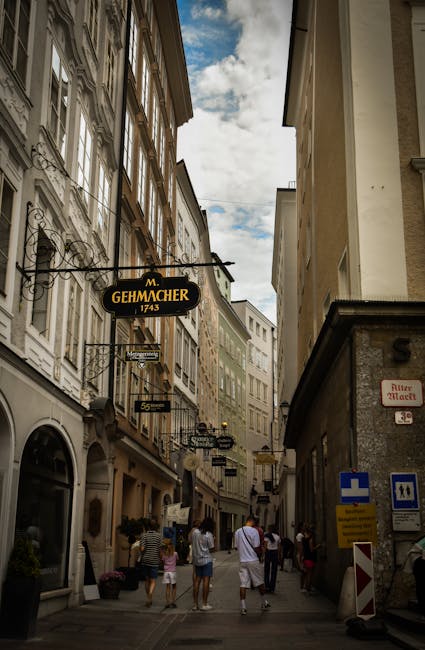
Lucerne’s old town still holds several alleys packed between the main streets. Start with Schmiedgasse and Pfistergasse — two parallel lanes where time seems to stand still. Schmiedgasse (Schmiedgasse 3, 6004 Luzern) is a cobbled alley lined with craft shops and façades decorated with wrought-iron signs. You’ll find cutlery and blacksmith workshops that have survived since the 19th century. Pfistergasse (Pfistergasse 6, 6004 Luzern), meanwhile, features covered passages and small inner courtyards reached through narrow porches. The painted façades — similar to the “Lüftlmalerei” found in other Alpine regions — are subtler here but just as important for understanding local iconography.
A few steps away, Weinmarkt (Weinmarkt, 6004 Luzern) is a tiny square surrounded by alleys where wine stalls once stood. Today the square retains old shop signs and a fountain with carved details. Weinmarkt is accessible 24/7, but nearby shops generally keep these hours: craft shops 10:00–18:00 (some ateliers open at 09:00), restaurants 11:00–23:00. Price guide: a coffee at a small terrace near Weinmarkt costs roughly €3.50–€5.00, a bistro lunch €12.00–€25.00.
Practical tips: avoid peak lunch hours (11:30–13:30) if you want to photograph these alleys — the passages are narrow. On weekend eves, especially in summer, local events can fill the square; check with the Lucerne Tourist Office (Tourist Information Luzern, Bahnhofplatz 1, 6003 Luzern — open 09:00–18:00; tourist card prices vary by season; brochure available free). Local tip: visit early in the morning (07:00–09:00) to capture low light on the stones and enjoy the quietest atmosphere.
Riverside Alleys along the Reuss: Rathausquai, Mühlenplatz and passages behind Kapellbrücke
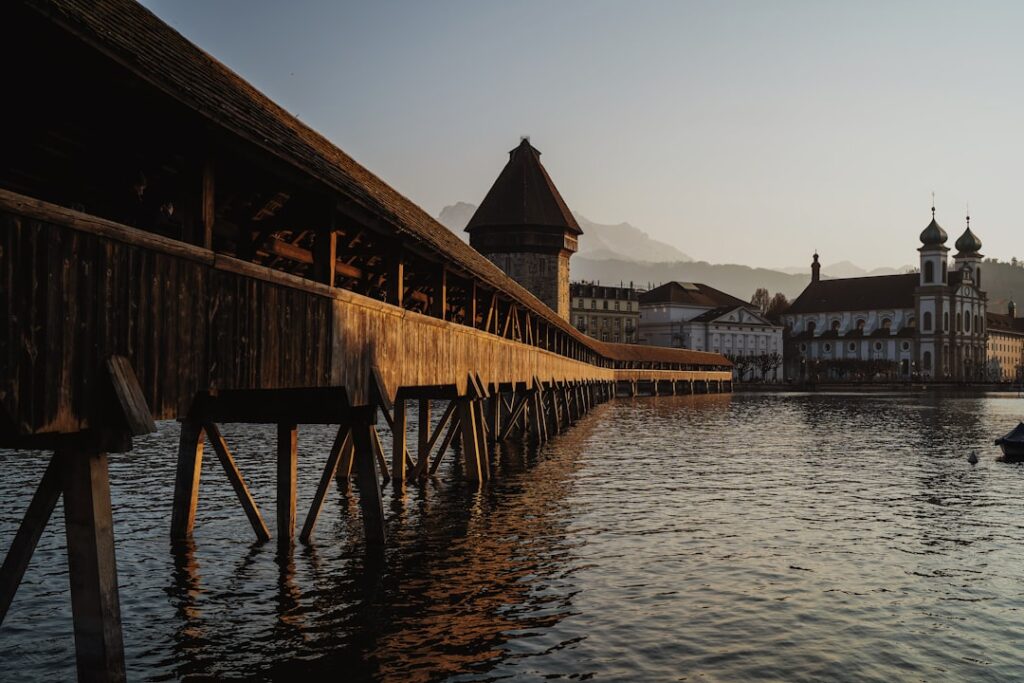
The riverside alleys create a contrast between flowing water and stern stone walls. The neighborhood around Rathausquai (Rathausquai 4, 6004 Luzern) reveals lanes that slope down to the Reuss, stone staircases and tucked-away terraces. Wander the small alleys behind the Kapellbrücke (Kapellbrücke, 6002 Luzern): while the bridge itself is busy, the adjacent lanes — often marked by vaulted passages — remain calm. Mühlenplatz (Mühlenplatz 2, 6004 Luzern) is an age-old square that once housed mills and now shows façades worn by time. From Mühlenplatz, several alleys lead eastward and offer unique perspectives on the water and morning reflections.
Hours and accessibility: riverside promenades are open year-round and free to explore. Some riverfront terraces and small cafés usually open around 09:00 and close between 20:00–22:00 depending on the season. Prices: a local beer on a terrace costs about €5.00–€7.00, a small savory tart €6.00–€9.00. Benches and low walls along the water are great for a photo break; the best time for perfect reflections is a windless morning (06:30–09:00).
Photography tips: look for symmetrical reflections of the houses in the Reuss, use short focal lengths to capture the alignment of lanterns and signs, and watch for backlight when the sun sits low behind the mountains. For safety, avoid setting up a tripod during busy times and respect the early-morning routines of riverside residents and workers.
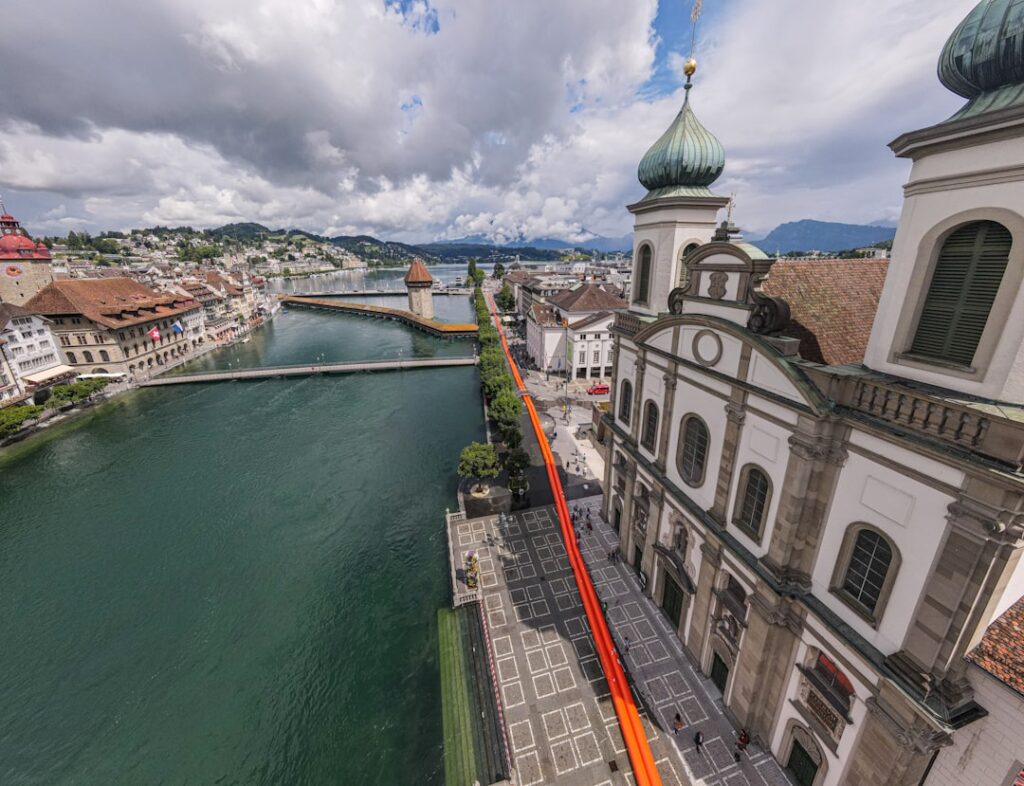
Micro-Neighborhoods around the Musegg Wall and Towers: medieval alleys and hidden stairways
The Musegg wall (Museggmauer, Museggstrasse 1, 6004 Luzern) and its towers are one of the best starting points to explore medieval alleys up high. From Museggplatz (Museggplatz, 6004 Luzern), narrow lanes weave between low houses and lead down to private gardens and viewpoints. The sloping, often cobbled alleys still bear traces of the town’s military past. Access to the wall is free and several towers are open to the public on set schedules: in summer, typically 09:00–17:00 for open towers; in winter these hours may be reduced. Check the information boards on site — access to some towers can be restricted for safety reasons.
Stroll through the lanes behind the Männli tower (Männli-Turm, Museggstrasse, 6004 Luzern) and follow the stone benches that offer lake views. These micro-neighborhoods are less crowded than the lakeside and have an old residential feel: cats napping in the sun, geranium-filled window boxes, and small workshops where artisans restore woodwork and ironwork. Houses often display painted wooden house numbers — a lovely detail for vernacular architecture lovers.
Practical tips: walking from the main station to the Musegg wall takes about 10–15 minutes on foot (700–900 meters). Wear grippy shoes — some steps are uneven. If you want an in-depth guided visit, the Tourist Office runs walking tours (1.5–2 hours, price varies; French-speaking guide available by reservation, around €15.00–€25.00 per person depending on season and group size). Local hint: search for small metal plaques fixed to walls — they sometimes tell short stories about the buildings you pass.
Routes and practical tips for a successful exploration
To make the most of these micro-neighborhoods, here are three walkable routes and some logistical tips. Short route (1–1.5 h): start at the main station (Bahnhof Luzern, Bahnhofplatz, 6003 Luzern) → Kapellbrücke (Kapellbrücke, 6002 Luzern) → Weinmarkt (Weinmarkt, 6004 Luzern) → Schmiedgasse → return via Pfistergasse. Panoramic route (2–3 h): station → north bank of the Reuss → Mühlenplatz → riverside strolls → ascent to the Musegg wall → viewpoints. Full route (half day): combine the old town, riverside alleys and the Musegg wall, allowing time for coffee breaks and a museum visit such as the Rosengart Collection (Rosengart Collection, Pilatusstrasse 10, 6003 Luzern; hours 10:00–17:00; admission around €14.00). These routes favor slow walking, unexpected detours and photo stops.
Detailed practical advice: 1) Shoes: choose closed shoes with good grip. 2) Weather: bring a light windproof jacket — alleys near the water can feel chilly even in summer. 3) Safety: Lucerne is generally very safe, but keep an eye on your belongings in busier areas. 4) Photography: respect residents’ privacy; ask before photographing inside courtyards. 5) Budget: budget around €20–€40 for drinks and snacks during a half-day wander, and €50–€80 if you include a sit-down meal in a city-center restaurant.
Additional practical information: the Tourist Office (Tourist Information Luzern, Bahnhofplatz 1, 6003 Luzern) is open 09:00–18:00 and offers free maps and audio guides. Public toilets are at Bahnhofplatz (cost about €1.00). Bus and boat stops are clearly signposted; for longer walks, the Luzern mobility card (City Card) can offer discounts depending on the season — check current offers on the official site lucerne.com. Finally, respect private signs: some alleys lead to residences and access may be limited in the evening.
Conclusion — Why these alleys deserve your attention
Exploring Lucerne’s micro-neighborhoods and hidden alleys isn’t just about ticking off sites; it’s about adopting a slower, more attentive way of discovering. These small, often overlooked streets reveal different layers of the city: forgotten trades, everyday local habits and intimate urban scenes that don’t always make it into mainstream guides. By taking time to stroll, touch textures and listen — the lap of the river, the distant ring of a craftsman’s hammer, the steady step of a hurrying resident — you experience the city as a living, changing organism.
The practical details provided here (addresses, hours, prices) will help structure your outing but don’t replace the joy of the unexpected. Some alleys will be busier during markets and local events, while others retain a near-residential calm. The ideal approach is to alternate observation and interaction: step into an artisan’s shop, enjoy a coffee in a small tearoom, strike up a conversation with a seamstress or a restaurateur, and follow the local recommendations you receive along the way. These exchanges are often the most rewarding part of exploring the alleys.
To finish, a few common-sense tips: respect residents’ quiet hours, don’t block narrow passages during your photo sessions, and support the local economy by buying small souvenirs or having a drink in neighborhood cafés. By doing so you help preserve these micro-neighborhoods and pass on their unique character to future generations. Enjoy your stroll through Lucerne’s forgotten alleys — walk slowly, look up and down, and let the city whisper its stories of stone and water.