





Introduction: Discreet Heritage Trails in Lucerne
Lucerne, with its medieval lanes, carved wooden bridges and crystal-clear lake framed by mountains, naturally draws crowds to its headline sights: the Kapellbrücke (Chapel Bridge), the Lion Monument, and the waterfront promenades. But tucked away beyond these landmarks are quieter treasures essential to understanding the city’s soul: intimate chapels, baroque roadside oratories, sculpted fountains and urban basins that have served social, spiritual and aesthetic roles for centuries. These small sites, often skipped by standard tourist routes, tell stories of brotherhoods, popular devotions, public health crises, artisan competitions and local memory.
This guide maps a heritage walk focused on these lesser-known elements: chapels hidden inside courtyards, sanctuaries with surprising frescoes, neighborhood fountains decorated with heraldic or mythological symbols — all reachable on foot from the historic center. The approach is both descriptive and practical: you’ll find each site’s full name, exact address, visiting times or access notes, any fees listed in euros (€), plus local tips to make the most of each stop. Addresses and hours are provided to help plan anything from a half-day stroll to a full-day outing, with suggestions adapted to seasonality (spring–summer vs. autumn–winter) and specific religious or municipal quirks.
Visiting these chapels and fountains also reveals how Lucerne developed a close-knit spiritual network: penitential shrines, chapels linked to former guilds, public springs arranged for household and livestock use and later embellished by cantonal sculptors. Often restored using traditional techniques, these features testify to a rich dialogue between art, faith and daily life. This guide gives immersive descriptions for each place (materials, iconography, atmosphere), recommendations for the best visiting times (less direct light for frescoes, quiet hours for photography, etc.), and practical advice (comfortable shoes, respect for services, opportunities for local guided visits).
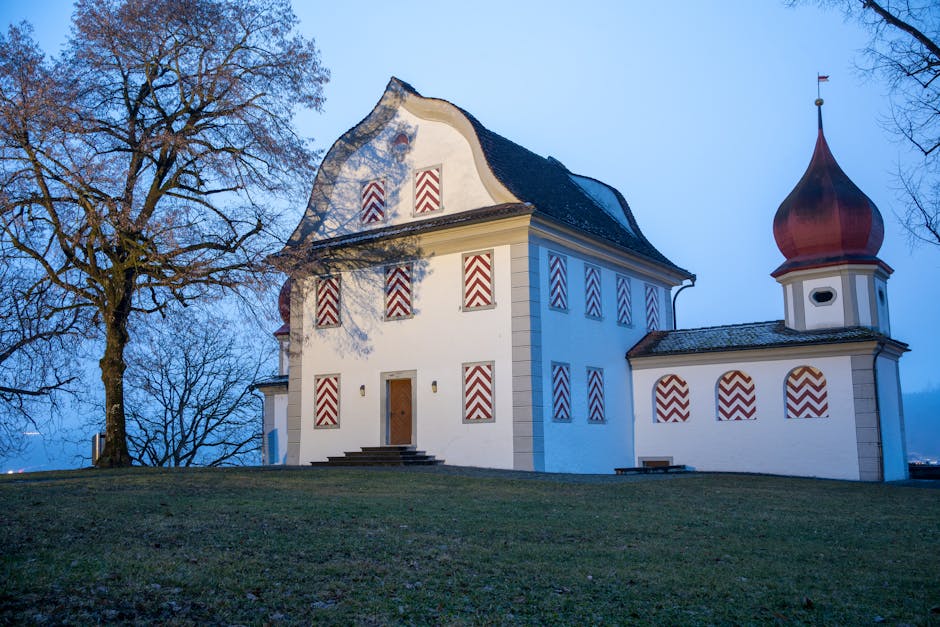
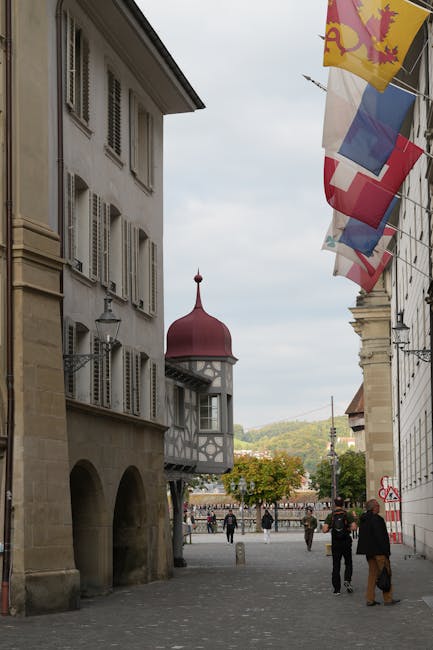
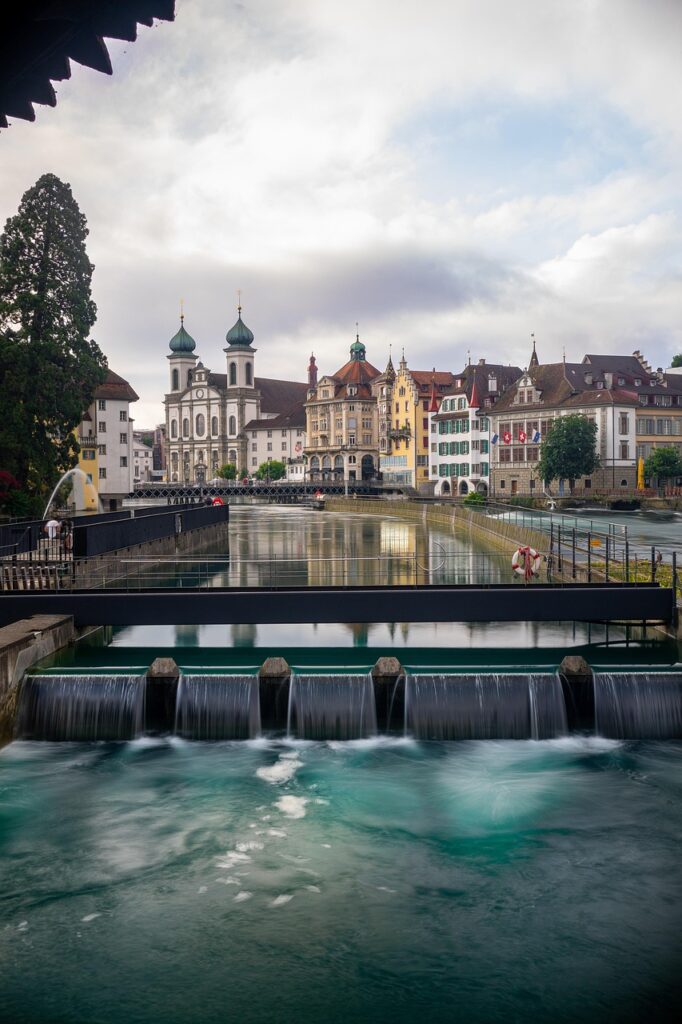
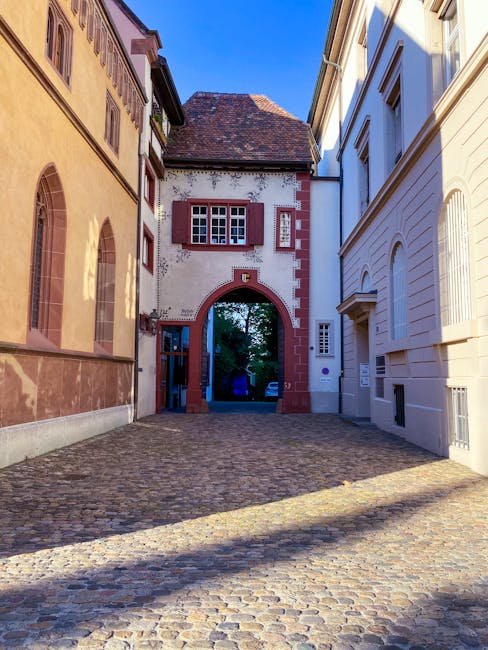
Throughout the text, visual markers 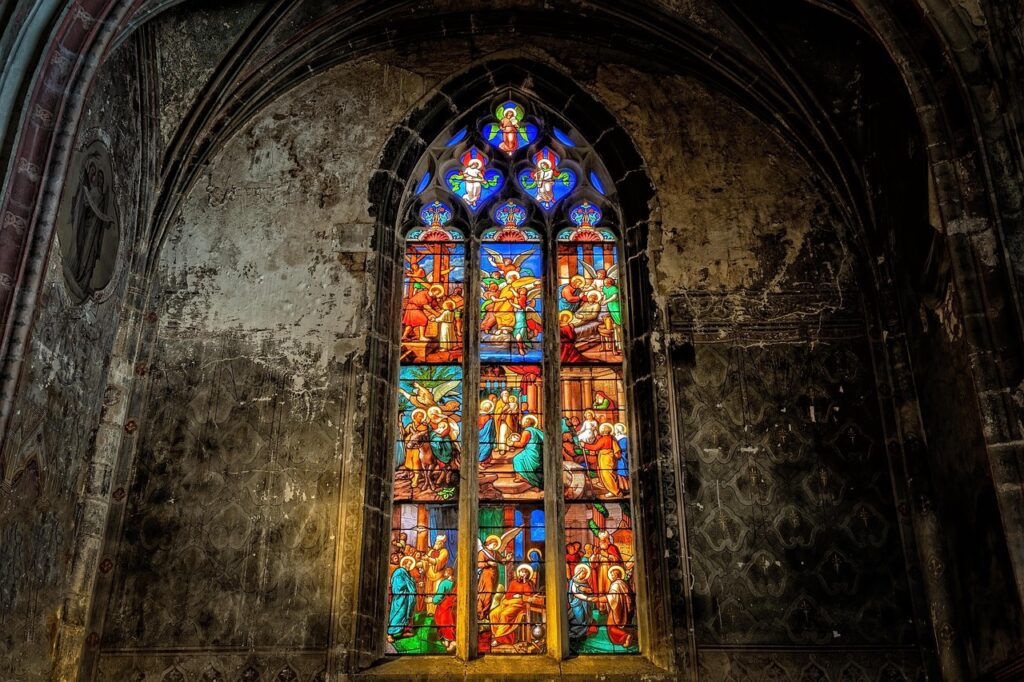 have been placed to spark your imagination and suggest photo ideas. These images evoke photographic moods rather than being exact reproductions of the sites. Get ready to discover an intimate Lucerne: chapels that smile from behind plain façades and fountains that still murmur neighborhood tales.
Historic Chapels and Oratories: Intimate Treasures in the City Center
Lucerne is home to several minor chapels and roadside oratories often tucked away in courtyards, on side façades or down quiet lanes. Most are free to visit, though some sit inside public buildings (hospitals, former convents) and follow set opening hours. Here’s a detailed selection with addresses, indicative hours and immersive descriptions.
-
St. Leonard’s Chapel (Kapelle St. Leonhard)
Address: Leonhardstrasse 22, 6004 Luzern
Price: free
Opening hours: generally open 09:00–18:00 on weekdays; access may be limited during services (check posted notices on site)
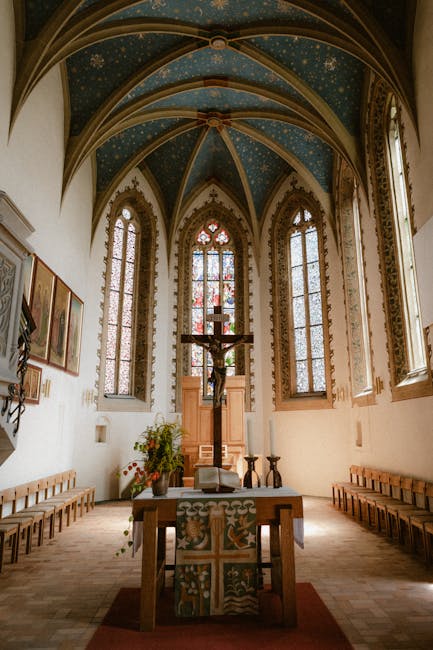
Description: A small late-Gothic chapel built into the wall along Leonhardstrasse. Inside, a ribbed vault and restored 19th-century stained glass create striking acoustics — perfect for a quiet moment of reflection. The carved wooden altarpiece depicts St. Leonard freeing prisoners, an image tied to historic local confraternities. Tip: visit in the morning to catch low light across the stained glass and be discreet during services. -
Brotherholz Chapel Oratory (Bruderholzkapelle)
Address: Bruchstrasse 11A (inside a private courtyard), 6003 Luzern
Price: free, courtyard accessible 24/7; interior visits by appointment
Opening hours: the courtyard is open all day; interior visits available on request through the nearby hotel or neighborhood association.
Description: A tiny baroque oratory decorated with stucco and a polychrome alabaster Virgin. The walls display discreet ex-votos — plaques and small votive offerings left by Lucerne families. Extremely intimate (capacity < 12). Local tip: ask neighbors for permission before taking close-up photos or stepping across the threshold. -
St. Maurice Chapel (Kapelle St. Mauritius) – Museggmauer
Address: Museggmauer, Museggstrasse 1, 6004 Luzern
Price: free (walk along the ramparts); guided tours by Stadtführer Luzern sometimes cost €8–€12
Opening hours: access to the wall and chapel typically 08:00–20:00 in season; seasonal hours may vary.
Description: Located near the medieval ramparts, St. Maurice’s Chapel offers evocative views over Lucerne’s rooftops. The interior is modest: faded frescoes, a stone altar and a small statue of St. Maurice. Its position lends a sense of military watchfulness mixed with everyday devotion. Tip: pair the visit with a stroll along the Museggmauer for panoramic views. -
Annunciata Chapel (Annunciata Kapelle), Hirschenplatz
Address: Hirschenplatz 5, 6004 Luzern
Price: free; donations welcome
Opening hours: 10:00–16:00 (hours may change for parish events)
Description: A charming Renaissance chapel with a small adjoining garden and a niche on the façade holding a Virgin statue. Inside: painted panels, woodwork and a small mechanical organ from the 19th century, sometimes played during Sunday services. Tip: check the parish calendar if you want to attend a sung mass — a great chance to hear the organ.
Hidden Fountains and Troughs: Water, Sculpture and Urban Memory
Lucerne’s fountains are not limited to the big tourist pieces; many neighborhood fountains tucked into small squares or courtyards carry symbolic sculpture, commemorative inscriptions and historic utility (watering troughs for livestock that later became household water points). They act as visual and social anchors — perfect for photo stops and cooling breaks. Here’s a selection of discreet fountains rich in history.
-
Hirschenplatz Fountain (Hirschbrunnen)
Address: Hirschenplatz, 6004 Luzern
Price: free
Opening hours: visible at all times; public access 24/7
Description: This little square hosts a fountain topped with a bronze stylized stag, a nod to the former inn “Zum Hirschen.” The stone basins show traces of old utility graffiti and wear marks. The atmosphere is especially pleasant late afternoon when warm light softens the stone. Tip: sit on the edge to watch local life and listen to the water. -
Kornmarkt Fountain (Kornmarktbrunnen)
Address: Kornmarkt, 6003 Luzern
Price: free
Opening hours: always accessible
Description: A small grain market fountain featuring a central pillar and a basin decorated with coats of arms. The reliefs tell the story of Lucerne’s grain trade and medieval levies. Once a meeting point for merchants, it now offers a quiet pause for office workers and shopkeepers nearby. Tip: visit early to catch market activity and to photograph reflections on the water. -
Reussquai Trough (Reussquai trough)
Address: Reussquai, near Schützenstrasse, 6003 Luzern
Price: free
Opening hours: visible all year round
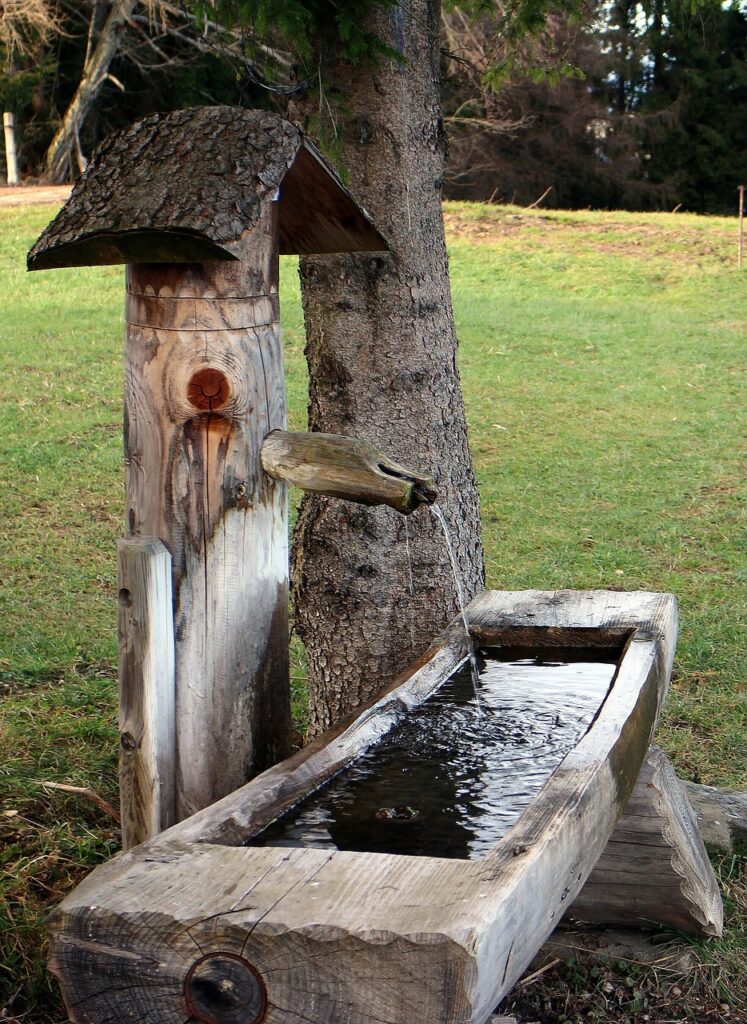
Description: An 18th-century stone trough engraved with the names of local donors. Its gentle trickle and the stone’s patina create a near-meditative city-center atmosphere. Flowing water attracts urban birds and offers chances for nature-style photography. -
Monastery Fountain (Klosterbrunnen), Capuchin quarter
Address: Kapuzinerstrasse 1, 6003 Luzern (near the Capuchin convent)
Price: free
Opening hours: outdoor access year-round; convent opening hours vary (often 09:00–18:00)
Description: This monastic fountain is marked by a Latin inscription and a statue of a saint blessing the water. Its calm, shaded setting evokes the site’s contemplative purpose. Tip: respect the convent’s quiet atmosphere — avoid noisy or intrusive photography during services.
Recommended Routes: Themed Walks from Half a Day to a Full Day
To get the most from these discreet chapels and fountains, here are two recommended routes — a short one (2–3 hours) and a long one (4–6 hours) — designed to be walked from Lucerne’s main station (Bahnhof Luzern). Each route pinpoints stops, offers timing tips and suggests weatherproof alternatives.
Short route: “Brief Devotions and Neighborhood Waters” (2–3 hours)
-
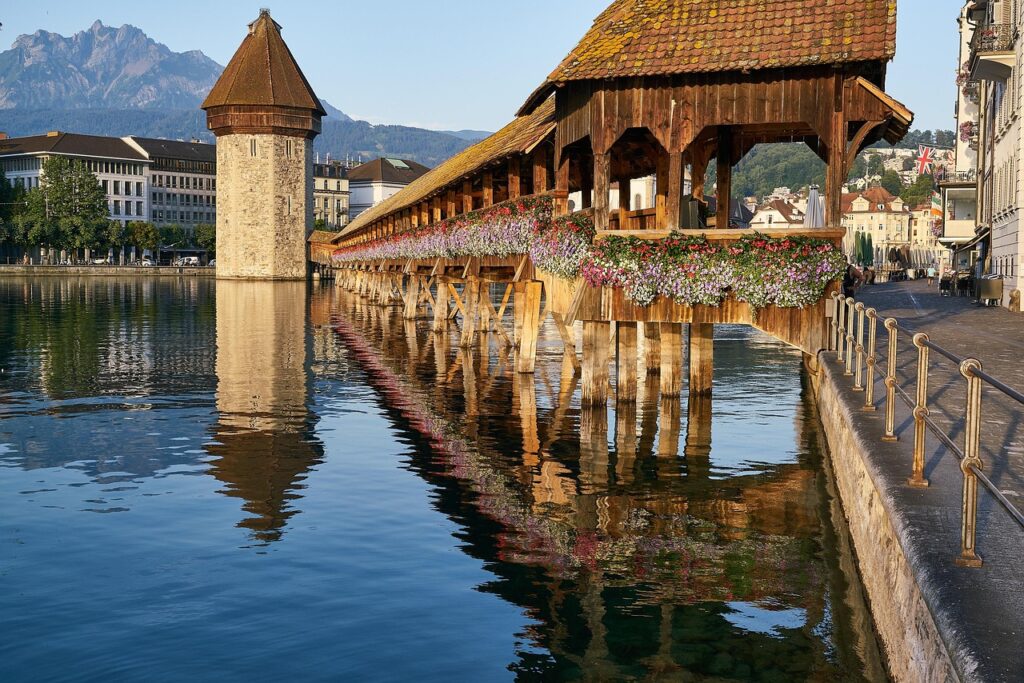
Start: Bahnhof Luzern (Bahnhofplatz, 6003 Luzern). From the station, walk to the Kapellbrücke (10 min).
Stop 1: St. Leonard’s Chapel, Leonhardstrasse 22 (20–30 min). Morning light recommended for a peaceful visit.
Stop 2: Hirschenplatz & Hirschbrunnen — coffee break in the square (30–40 min). Price: coffees around €3–€5.
Stop 3: Kornmarktbrunnen (15–20 min of observation); great for photographing carved details.
Finish: Reussquai to end the walk by the water (15 min).
Tips: wear comfortable shoes, bring a water bottle and respect “Privat” signs in courtyards.
Long route: “From Urban Soul to the Ramparts” (4–6 hours)
-
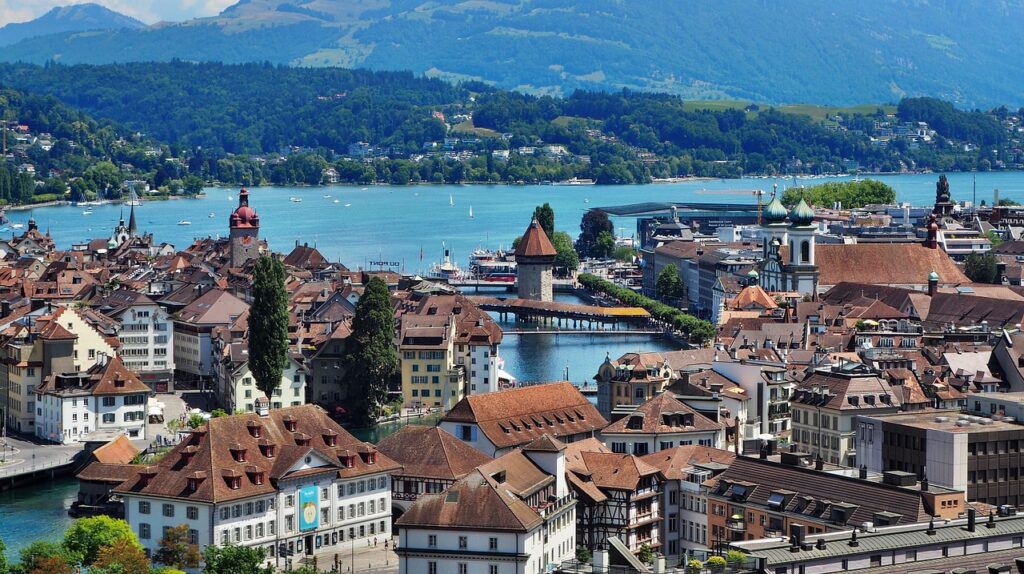
Start: Bahnhof Luzern. Cross the Kapellbrücke then follow the riverbank toward the Museggmauer (30–40 min walk).
Stop 1: St. Maurice Chapel, Museggstrasse 1 — combine the visit with a partial climb of the ramparts (45–60 min). Hours: 08:00–20:00 in season.
Stop 2: Bruderholzkapelle oratory, Bruchstrasse 11A — visit the courtyard and, if possible, arrange an interior visit (30–45 min).
Lunch break: Restaurants near the Reuss or the Weinmarkt area (lunch €15–€30 depending on menu).
Stop 3: Monastic neighborhood fountains (Kapuzinerstrasse 1), followed by a contemplative walk through the adjacent gardens (45 min).
Alternatives: add a paid guided tour of the Museggmauer (€8–€12) to learn more about the towers and attached chapels.
Tips: carry an offline paper map; some small streets have limited mobile coverage. Pack a light waterproof for sudden showers.
Practical Tips and Local Recommendations
A few tips to turn these discoveries into a smooth, respectful experience:
- Respect and silence: Chapels are sometimes still active places of prayer and worship. Observe posted hours (many close during services) and avoid flash photography. If a mass is in progress, keep a discreet silence while visiting.
- Access and permissions: Some oratories sit within private courtyards (e.g. Bruderholzkapelle). Ring the bell or politely ask residents for permission — most Lucerne locals are welcoming if you explain your cultural interest.
- Costs and tickets: Most chapels and fountains are free. For guided tours of ramparts (Musegg) or themed visits organized by Luzern Tourismus, budget €8–€15 per person. Museums or temporary exhibitions connected to sites may charge extra (€5–€18).
- Best time to visit: Spring and summer (May–Sept) give the most flattering light and longer opening hours; autumn brings warm colors and fewer crowds. In winter, small chapels feel especially intimate, but check reduced seasonal hours.
- Photography: Respect no-photo areas, particularly where fragile works are displayed. For outdoor shots, morning and late-afternoon light is best. A 35–50 mm lens is handy for chapel interiors to avoid distortion.
- Accessibility: The old town has cobbles; some chapels are step-free while others have stairs. Contact Luzern Tourismus for accessible route options.
Conclusion: Rediscovering Lucerne Through Its Chapels and Fountains
Lucerne reveals a woven spiritual and hydraulic geography to those who take time to look beyond the famous monuments. Intimate chapels and neighborhood fountains are more than set pieces: they are memory sites, places of social life and living testimonies of a city that has balanced tradition with modern urban living. Following this guide, you won’t just be ticking addresses off a map — you’ll be composing a sensory experience: the grain of stone under your fingers, the droplets echoing, the cool hush of a nave, frescoes that whisper stories, and locals pausing to greet one another.
The practical details provided — exact addresses, indicative hours, prices in euros and local tips — are meant to ease your explorations and reduce surprises. Remember that many of these places are managed by local parishes, neighborhood associations or the municipality; the surest way to ensure calm access is to follow posted rules and, when possible, speak with those on site. Some intimate visits prove even richer if you arrange a meeting in advance with a parish representative or a local guide.
Finally, treat these routes as flexible: add or skip stops to suit your pace and interests. Look for the small details — a carved inscription, an ex-voto, a craftsman’s mark — and take the time to observe. Those details reveal Lucerne’s true character: out of the tourist flows, but at the heart of a shared history. Enjoy your walks, and let the discreet poetry of Lucerne’s chapels and fountains surprise you.