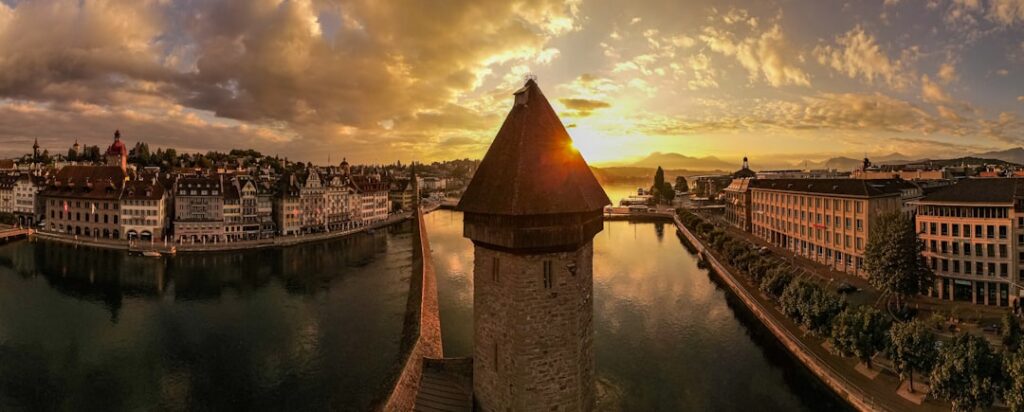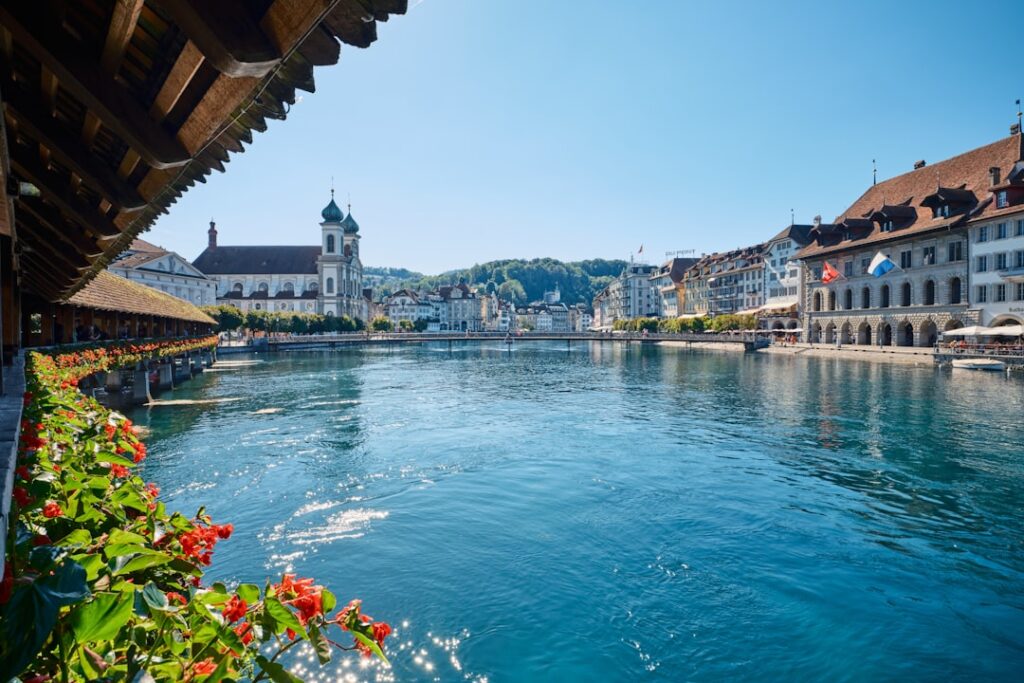






Introduction — Why and when you need to complete a customs declaration in Lucerne
Traveling to Lucerne, the tourist heart of central Switzerland, always delivers memorable moments: strolls along Lake Lucerne, the Chapel Bridge, museums and artisan shops. But if you’re arriving from abroad or returning to Switzerland after purchases made outside the European Union, you may need to fill out a customs declaration. This isn’t just paperwork: it protects your goods, helps you avoid fines and, in some cases, allows you to reclaim VAT or legally bring in restricted items (alcohol, tobacco, large amounts of cash, artworks).
This practical guide is written for travelers in Lucerne: it lays out clear steps, exact addresses, opening hours, indicative costs in euros, and printable checklists you can copy into your smartphone. You’ll find the most common situations that require a declaration (purchases above allowances, carrying more than 10,000 CHF/€ in cash, cultural objects or animals), how to complete the paper or electronic form, where to go in Lucerne to validate your declaration and what to expect during a customs check.
Important: Switzerland is not a member of the European Union. Customs rules applied in Lucerne are enforced by the Swiss Federal Customs Administration (Swiss Customs). Amounts and procedures vary depending on whether you enter Switzerland from a non-EU/EFTA country, from an EU country, or if you leave Switzerland and later re-import goods. This guide focuses on practical cases encountered in Lucerne: arriving by train (Lucerne station), by car (access routes from the A2/A14 motorway) or by boat (Lucerne port). It also offers local solutions: exact addresses to pick up or submit forms, opening hours, and tips to avoid queues or costly mistakes.
By the end of this article you’ll have a clear plan: what to prepare before you arrive, which documents and pieces of information to enter on the form, where to get your documents stamped in Lucerne, and how to dispute or regularize a situation after a check. The following sections present detailed, chronological steps and useful checklists so you can travel with peace of mind.
1) Before you leave: documents, amounts and prep checklist (do this 24–72 hours before arrival)
Preparation prevents about 80% of mistakes on a customs declaration. Here’s the exact list and key amounts to check before you arrive in Lucerne.
Documents to gather
- Passport or ID card valid at the time of travel.
- Purchase receipts or original invoices for all goods bought abroad (merchant name, price, date).
- Proof of export if you requested a VAT refund in the country of purchase (tax refund form).
- Proof of residence (if required): Swiss address or residence permit.
- Cash to declare: if you’re carrying the equivalent of 10,000 CHF or more (≈ €10,000 depending on the rate), prepare a statement and proof of the source of funds.
Allowances and thresholds (practical indications in euros)
- Allowance for alcohol and tobacco (entries from non-EU countries): varies — practical example: up to 1 litre of spirits (>22% alc.) or 2 litres of fortified wine under 22% ; 200 cigarettes or 250 g of tobacco. Above these amounts a declaration and taxes are required.
- Total value of goods: if the total value of goods purchased outside Switzerland exceeds 300 CHF (≈ €280), you must declare them and pay import VAT (standard rate 7.7%). For this guide, consider €280 as a practical threshold.
- Cash to declare: 10,000 CHF ≈ €10,000 (check the exchange rate on the day of travel).
Printable pre-departure checklist
- Scanned copies of receipts (PDF) stored on your phone or cloud.
- Photos of bulky items (serial number, brand) to prove prior condition.
- Pre-filled declaration forms if possible (from the Swiss Customs website) — save the PDF.
- Estimated amount of duties/taxes in euros (use the Swiss Customs online calculator to simulate).
Local tip: put your scans and photos in a folder called « Customs_Lucerne » so you can access them quickly at Lucerne station (Bahnhofplatz 1) or at the customs office. Checks can happen at any time and speed often makes the difference between a quick stamp and a long delay.
2) In Lucerne: where to go to declare — addresses, opening hours and practical routes
If you’re already in Lucerne and need to make a customs declaration, you have several options depending on your situation: declare at the nearest border post (if you arrive by road from the border), declare at Lucerne station if a customs officer is present, or go to the local customs office for formalities and stamps. Here are the precise addresses and how to use them.
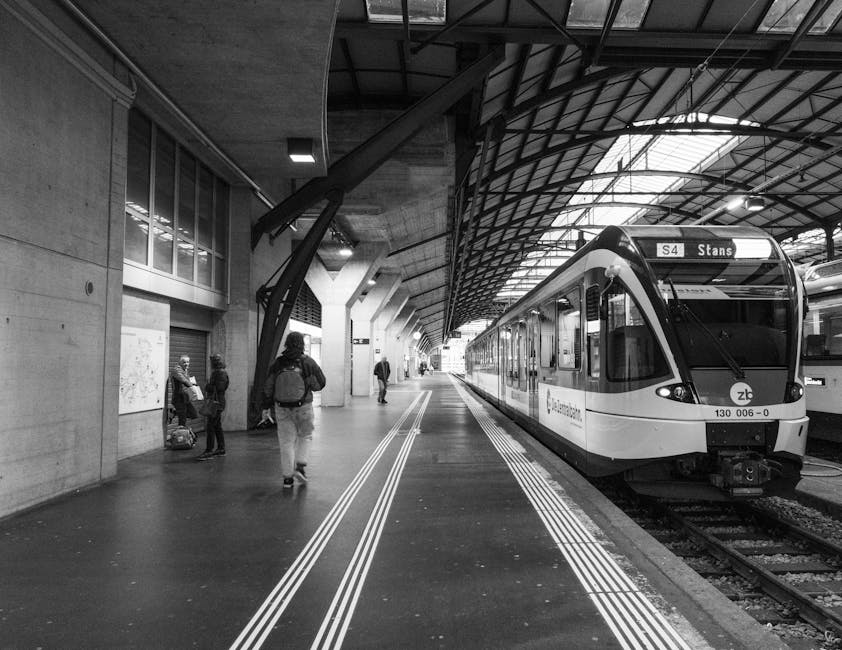
Station post (for travelers arriving by train)
– Address: Bahnhof Luzern, Bahnhofplatz 1, 6003 Luzern.
– Where: present yourself at the station information desk or at the agents’ access point (look for signage « Zoll / Customs » if available).
– Practical hours: the station is open 24 hours; customs officers are not necessarily present at all times. If no officer is available, use the emergency line or go to the main office (see below).
– Cost: issuing or registering a form is free; only the calculated duties/taxes are charged (sample amounts at the end of this article).
Regional Office of the Swiss Federal Customs Administration – Lucern (declarations and stamps)
– Address: Luzern Regional Customs Office, Alpenquai 6, 6005 Luzern (note: Alpenquai is the quay by the lake; look for the administrative building marked « Zoll / Douane »).
– Hours: Monday to Friday, 08:00–12:00 and 13:30–16:30. Closed on weekends. (Tip: arrive before 16:00 to avoid queues).
– Services: acceptance of entry forms, official stamps, payment of taxes in cash or by card (euros accepted with conversion; expect a conversion fee).
– Phone (practical reference): +41 58 481 51 11 (Swiss Customs central number — call to confirm appointments).
Roadside customs post (if you arrive by car)
– Examples of entry posts near Lucerne: Grenzübergang Kriens/Gisikon (A2 motorway), and Grenzübergang Horw if you come from the lake. Road posts are open 24 hours but counters can be automated. If in doubt, stop and use the intercom to contact Swiss Customs.
– Practical route: from the A2 motorway take the Luzern-Kriens exit and follow signage for « Zoll » or « Customs » if present.
Local tip: for an official stamp prefer the regional office (Alpenquai 6) during daytime. If you arrive late at night and your declaration can wait until the next working day (and you are not carrying prohibited items), return to the office on the next business day; however, if you are carrying >10,000 CHF in cash, declare it immediately at any open customs post.

3) How to fill out the declaration step by step — form fields, what to enter and common mistakes
Whether you use the paper form or the electronic version, the essential fields are the same. Here’s a step-by-step guide to correctly fill out a customs declaration in Lucerne, with practical entry examples.
Step 1: Type of declaration
- Tick « Arrival – Personal importation » if you’re bringing goods you bought abroad.
- Choose « Temporary import / re-export » for professional items or items for temporary exhibitions.
- Tick « Cash / Money declaration » if you carry ≥10,000 CHF/€.
Step 2: Personal information
- Family and given names: exactly as on your passport.
- Full Swiss address: example « Rue du Voyageur 12, 6005 Luzern » (replace with your address). If you’re a tourist, write your hotel address: e.g. Hotel des Balances, Weinmarkt 6, 6004 Luzern.
- Flight/train number or vehicle registration plate: required for tracking.
Step 3: Detailed description of goods
For each item note: description (e.g. « Mechanical watch, brand X, model Y »), quantity, value in euros, country of purchase, and serial number if applicable. Practical example:
- Item 1: « 1 x Leather bag, brand Z, model 123, value €420, purchased in Milan, Italy. Receipt attached. »
- Item 2: « 2 x bottles of wine, 0.75 L each, total value €30, purchased in Strasbourg, France. »
Step 4: Calculating duties and VAT
Enter the total value of the goods. Swiss Customs will apply Swiss VAT (7.7%) on the value plus any applicable duties. Example: declared value €700 → VAT due ≈ €53.90. Note: customs calculate and request payment on the spot if necessary. Bring cash in euros or a bank card.
Step 5: Signature and submission
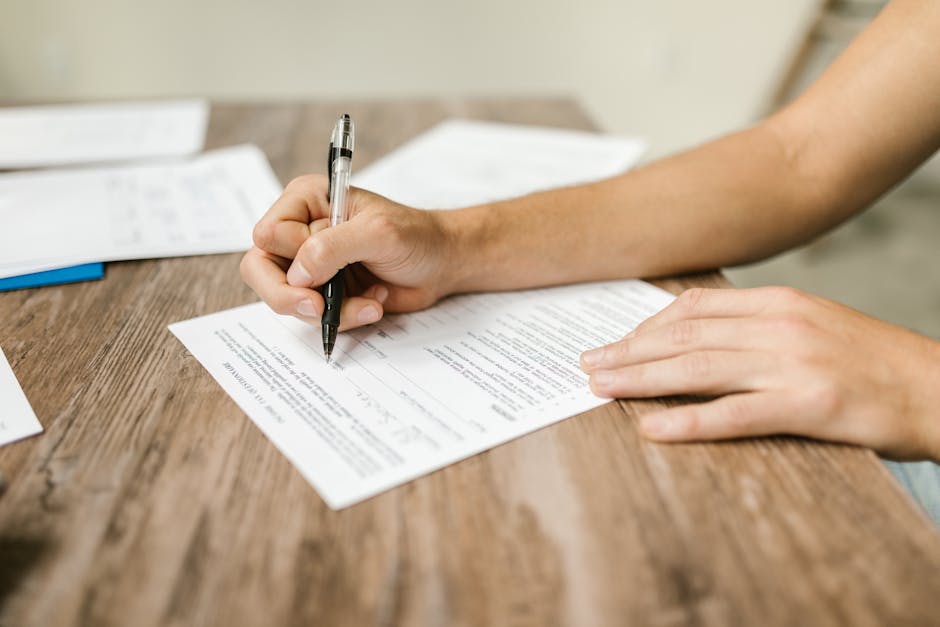
Sign the declaration with the date and time of arrival. If you are a minor, a parent or legal guardian signs. Submit the form at the counter or to the identified officer. If you use the electronic version, keep the declaration reference and print the confirmation.
Common errors to avoid: do not round values, do not omit original receipts, do not declare items separately (add them up). If you’re unsure whether something is a « gift » or a « purchase, » consider its actual value: gifts valued at >300 CHF must be declared.
4) Payment, stamps, disputes and post-check tips (procedures and costs)
After submission, the officer will check, stamp and calculate taxes. Here’s what to expect in Lucerne, indicative costs and procedures if you disagree.
Taxes and administrative costs (examples in euros)
- Swiss VAT (standard rate): 7.7% on the taxable value. Example: goods worth €500 → VAT ≈ €38.50.
- Excise duties (alcohol, tobacco): variable. Example: for tobacco extra taxes can exceed €60 for 200 cigarettes.
- Possible administrative fees: if the declaration is processed manually at the regional office a small administrative charge may be requested (≈ €5–15), rarely applied for private travelers.
Accepted payment methods
- Cash: euros and Swiss francs accepted at the regional office (Alpenquai 6) — bring exact change to save time.
- Bank card: Mastercard/Visa generally accepted. Some commissions may apply.
- Bank transfer or deferred payment: possible for complex cases — request an official receipt.

Stamp and proof
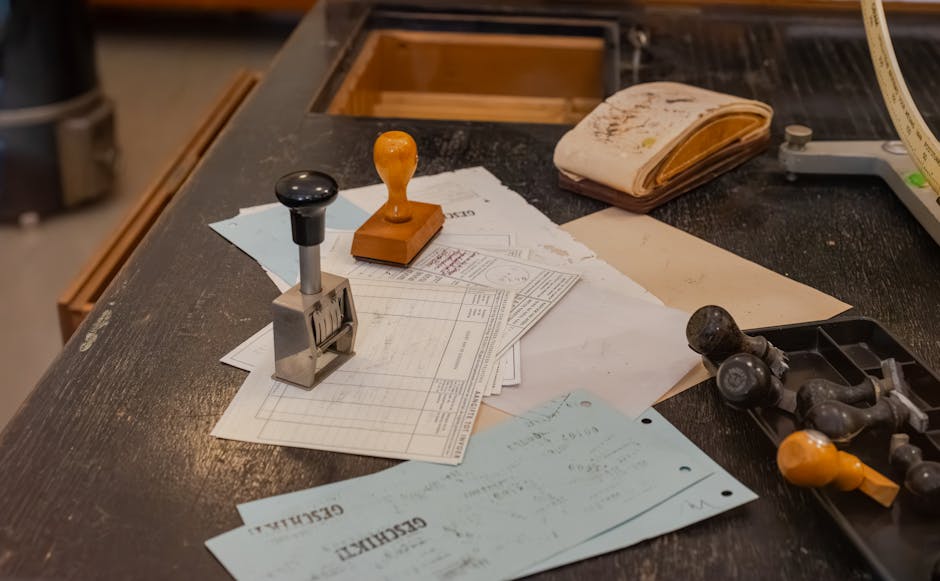
Once paid you’ll receive an official stamp on your form or an electronic receipt. Keep this document: it’s your proof in case of a later check or for claiming a VAT refund made previously. Example stamp wording: « Zoll Luzern / Paid / Date / Agent ID. » Also keep your card receipt if you paid by card.
What to do in case of dispute
- Ask for a written explanation of the calculation (request the « official calculation sheet »).
- Call Swiss Customs customer service: +41 58 481 51 11 or use the online complaint form (response time varies 7–21 days).
- For serious disputes (high value items), photograph the goods and keep all proof of purchase. You can file a written claim at: Swiss Federal Customs Administration, Monbijoustrasse 40, 3003 Bern, Switzerland (central address for appeals). Expect postal and translation costs if needed.
Final local tips: if you make significant purchases (amounts > €2,000) in Lucerne itself, ask the retailer for an export form and check VAT refund options before you pay. For departures from Lucerne station, allow an extra 30–60 minutes for the procedure if you have goods to declare. If you’re short on time, use the regional office’s phone appointment service (Alpenquai 6) to save time.
Conclusion — Practical summary and final recommendations to travel stress-free in Lucerne
Filling out a customs declaration in Lucerne can seem daunting, but it becomes straightforward with minimal preparation and a clear understanding of the steps. Remember the three golden rules: (1) prepare your documents and receipts in advance; (2) know where to go (Bahnhof Luzern for quick checks, Alpenquai 6 for full formalities); (3) declare honestly and keep all stamps and receipts. These steps will help you avoid penalties, financial losses and extra administrative appointments.
Key practical points: use €280 (≈300 CHF) as an approximate threshold for declaring goods bought outside Switzerland; €10,000/10,000 CHF is the threshold for declaring cash. The recommended regional office in Lucerne is on the quay (Alpenquai 6) with weekday hours, while the station (Bahnhofplatz 1) can provide quick assistance when an officer is present. Always bring original receipts and digital copies. For paying taxes, have euros and a bank card ready.
If you have specific cases (artworks, animals, medicines, cultural inheritances), contact Swiss Customs in advance at +41 58 481 51 11 or check the official website for the required documents. Lastly, to maximize peace of mind, allow an extra hour at the station or two hours for a complete procedure at the regional office. Travel informed, travel light at heart: you’ll enjoy Lucerne’s charms — walks on the Chapel Bridge, coffee in the Weinmarkt and sunsets over the lake — without administrative stress.