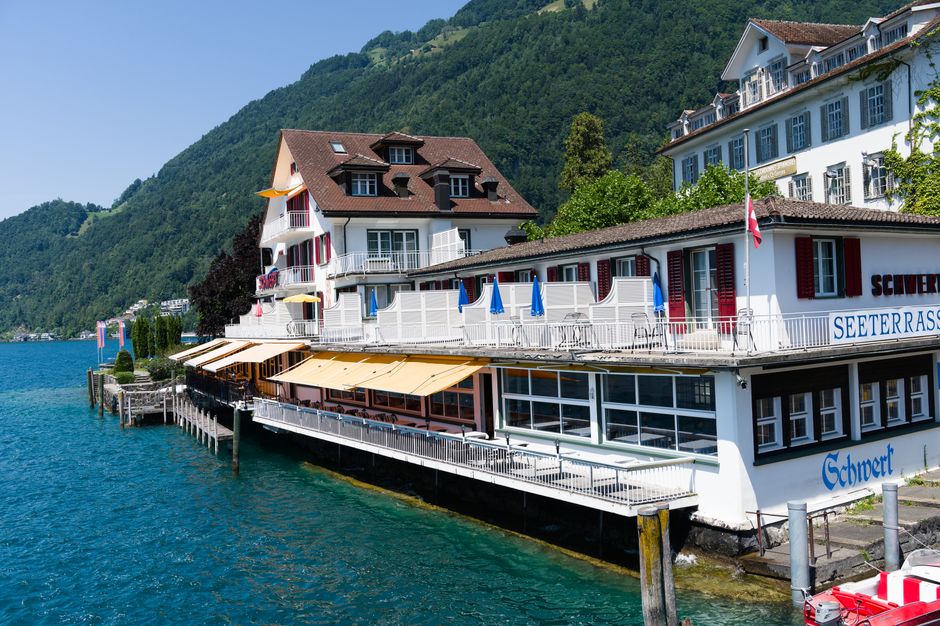






Introduction — Why learn to spot a vegan menu in German in Lucerne
Facing a German menu in Lucerne can be intimidating even for seasoned travelers, especially if you follow a strict vegan diet. Lucerne (Luzern) is a Swiss tourist city where culinary tourism meets local traditions heavy on dairy and meat. Still, the vegan scene is very much alive: vegetarian restaurants, ethical buffets, health food stores and dedicated supermarket sections. In this practical guide, you’ll find not only 7 essential German phrases to instantly identify vegan dishes on a menu, but also concrete steps, checklists, exact Lucerne addresses, indicative prices in euros, opening hours and local tips to order without mistakes.
This guide is built to be used on the ground: read the checklist before you walk into a restaurant, use the short phrases listed to ask the server for clarification, and check the addresses and opening times to plan your meals. Each phrase comes with real-menu examples, tricks to check for eggs or dairy, and quick alternatives when the menu is ambiguous. We also include specific spots in Lucerne where vegan options are easy to find, like the Tibits buffet, Migros and Coop supermarkets with clear labels, and a local market with prepared food stalls offering animal-free dishes.
You will learn to:
- Spot key words on German menus (e.g. « vegan », « pflanzlich », « ohne Milch »);
- Ask the 6 essential questions to the server to confirm there are no eggs, honey, butter or meat stock;
- Use a quick 30-second checklist to verify a dish;
- Know exact addresses in Lucerne to eat vegan immediately (with prices in euros and opening hours);
- Save short phrases to reuse on the phone or in person, written phonetically to help pronunciation.
This guide avoids generic advice: you’ll find numbered steps to confirm a dish is vegan, examples of literal translations, and up-to-date local recommendations (hours, indicative prices, full addresses). At the end, a printable checklist will let you approach any German menu in Lucerne with confidence.
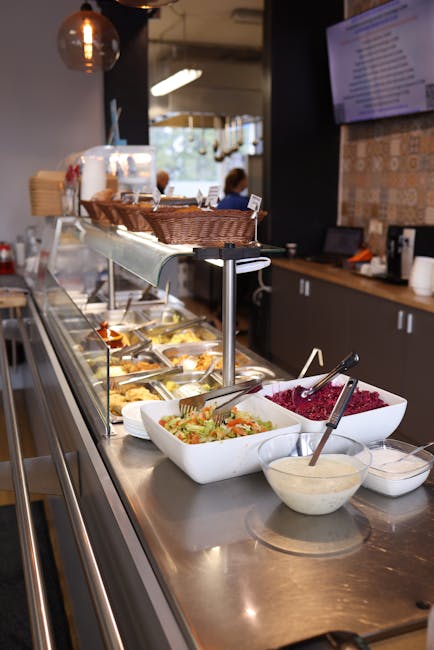
1) The 7 German key words to know — instant spotting
To spot a vegan dish at a glance, memorize these 7 German keywords. Each comes with context examples, precise translations and tips to avoid false friends (words that look similar but don’t mean « vegan »).
- Vegan — direct translation: vegan. Ex: « Veganer Burger » = vegan burger. Tip: if « vegan » is displayed, the dish should be free of meat, dairy and eggs.
- Pflanzlich — lit. « plant-based. » Context: « pflanzliche Alternative » = plant-based alternative (often a meat or milk substitute). Use this to check sauces and broths.
- Ohne Milch — « without milk. » Important for sauces and coffees. Example: « Dessert ohne Milch » or « Suppe ohne Milch. »
- Ohne Ei — « without egg. » Essential for pastries, fresh pasta, or rösti made with binders.
- Ohne Honig — « without honey. » Sometimes yogurt or sweet sauces contain honey—ask about mueslis and desserts.
- Fleischfrei — « meat-free. » Warning: this can still include dairy and eggs, so pair it with « vegan » or « ohne Milch/ohne Ei » to be sure.
- Tierproduktefrei — « free of animal products. » The safest term; means no animal-derived ingredients at all.
Quick checklist — how to use these words in 10 seconds:
- Scan the menu for « vegan » or « tierproduktefrei. »
- If you see « fleischfrei » or « pflanzlich », look nearby for « ohne Milch » or « ohne Ei. »
- Ask the server: « Ist das vegan? » (Is this vegan?) or use the full phrase below.
Practical phrases (copy/show):
- « Ist das vegan, ohne Milch, Ei und Honig? » — Is this vegan, without milk, egg or honey?
- Phonetic: « Ist das vay-gahn, oh-nuh milch, ai und hon-ig? »
2) How to check a dish in 6 steps at a restaurant (field method)
When you’re talking to the server, follow these 6 quick steps to confirm a dish is vegan. This method saves you from dissecting every ingredient yourself and reduces the risk of hidden allergens.
- Ask if the dish is « vegan » or « tierproduktefrei. »
Phrase: « Ist das vegan oder tierproduktefrei? » — If the answer is yes, move to step 3.
- Check for milk or cream: « Ohne Milch? »
Ask: « Enthält das Milch, Sahne oder Butter? » (Does it contain milk, cream or butter?). Phonetic: « Ent‑häl‑t das milch, sah‑ne oh‑der but‑ter? »
- Check for eggs: « Ohne Ei? »
Phrase: « Enthält das Ei oder Eiprodukte? » — If yes, ask if a version without egg is possible.
- Ask about stock and sauces: « Brühe/Fond? »
Short phrase: « Ist die Brühe/Tiersud pflanzlich? » (Is the stock/ broth plant-based?). Many soups and risottos use meat stock—watch out.
- Confirm oil and cooking fats: « Mit Butter gebraten? »
Ask if the dish is cooked in butter or oil: « Wurde das in Butter gebraten? » (Was this fried in butter?). If so, request cooking in vegetable oil.
- Ask for a substitution if needed.
Suggest a modification: « Können Sie das ohne Milch/Ei zubereiten? » (Can you prepare this without milk/egg?). Some Lucerne restaurants are happy to adapt, especially mid-afternoon outside rush hours.
Concrete on-site example: at Tibits, Hertensteinstrasse 9, 6004 Luzern, you can ask the buffet staff « Ist das vegan? »; they label most dishes. Indicative price: all-you-can-eat buffet about 18–22 € (lunch), 16–20 € (dinner depending on the day and formula). Tibits opening hours: Mon–Sun 11:30–21:30 (check before you go; seasonal changes possible).
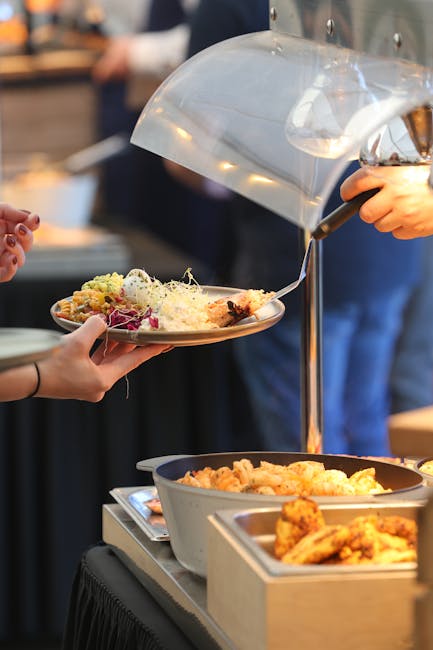
3) Read between the lines of a menu — visual clues and abbreviations
German menus often use abbreviations and symbols. Here’s how to decode them quickly to spot vegan dishes without asking the server right away.
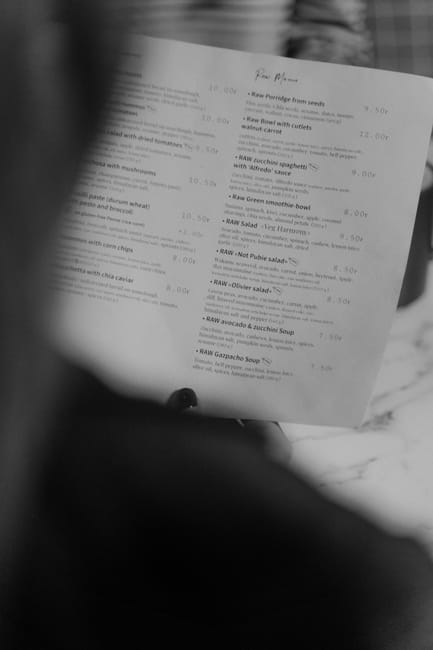
- Symbol « V » or « VE » : often used for « vegetarisch » (vegetarian). If followed by an asterisk « VEgan », the menu will specify. Check whether « V » stands for vegetarian and not vegan. Example starter: « V • Pilzrisotto » = vegetarian, not necessarily vegan.
- Common abbreviations:
- « veg. » = may be « vegetarisch » (vegetarian) — not automatically vegan.
- « vegan » written in full = reliable.
- « ohne » followed by an ingredient = without (e.g. « ohne Milch »).
- Icons: leaf, seed, oil drop — the leaf usually indicates a plant-based option, the seed or drop can indicate « allergen-free » or « olive oil. » Always check the menu legend at the bottom of the page.
Practical tip: look for the menu legend or footnote that explains abbreviations. Example: « Legende: V = vegetarisch, VG = vegan, A = enthält Allergene » — if « VG » appears, you have immediate confirmation.
Use case: At the restaurant « Gasthaus zum Pfistern » (example address: Schweizerhofquai 5, 6004 Luzern — check the current sign), you might find « VG » next to a quinoa salad. Indicative price: salad 12–14 €. Typical hours (example): Tue–Sun 11:00–22:00. If « VG » is not shown, follow the 6-step method from the previous chapter.
4) Short phrases and phonetics to keep in your pocket
Here’s a set of phrases you can show on your phone or say out loud. Each is followed by a simple phonetic version to help quick pronunciation. Use them depending on the situation: specific question, correction, or substitution request.
- To ask if a dish is vegan:
« Ist das vegan? » — Phonetic: « Ist das vay‑gahn? »
- To confirm there’s no milk:
« Enthält das Milch oder Sahne? » — Phonetic: « Ent‑hält das milch oh‑der sah‑ne? »
- To ask for an egg-free version:
« Können Sie das ohne Ei zubereiten? » — Phonetic: « Kœn‑nen zee das oh‑neh ai tsu‑beh‑ry‑ten? »
- To check broths and sauces:
« Ist die Brühe oder Sauce gemischt mit Fleisch? » — Phonetic: « Ist dee brü‑he oh‑der sau‑seh ge‑misht mit fleisch? »
- For a quick substitution:
« Statt Butter, bitte Pflanzenöl. » — Phonetic: « Stat but‑ter, bit‑te pflanz‑en‑öl. » (Instead of butter, vegetable oil please.)
Printable mini checklist (pocket size):
- 1 phrase « Ist das vegan? »
- 1 phrase « Enthält das Milch? »
- 1 phrase « Ohne Ei? »
- 1 phrase for broth: « Ist die Brühe pflanzlich? »
- 1 phrase for cooking: « In Pflanzenöl gebraten? »

5) Where to eat vegan in Lucerne — practical addresses, prices and hours
Here’s a curated list of spots in Lucerne where you can find clear vegan options, with full addresses, indicative prices in euros and opening hours. These choices cover buffet, café, market and supermarket for every situation (quick lunch, sit-down dinner or grocery run).
- Tibits Luzern — vegetarian buffet with vegan options
Address: Hertensteinstrasse 9, 6004 Luzern. Price: self-service buffet approx. 18–22 € at lunch, 16–20 € at dinner (depending on day and promotions). Hours: Mon–Sun 11:30–21:30 (check website for changes). Why go: clear labeling of dishes, staff used to vegan requests, very central near the lake.
- Coop Supermarket — organic and « Free From » sections
Address: Coop Luzern, Bahnhofstrasse 5, 6003 Luzern (big store often near the train station). Prices: dairy substitutes 1–3 €; prepared meals 3–8 €. Hours: Mon–Sat 08:00–20:00. Tip: look for « Vegan » and Coop/Migros vegan labels on packaging.
- Migros — ready-to-eat vegan products
Address: Migros Luzern, Löwenplatz 6004 Luzern (shopping area). Prices: sandwiches 4–7 €, prepared dishes 5–10 €. Hours: Mon–Sat 08:00–20:00 (varies by store).
- Lucerne weekly market (Trödlermarkt / Wochenmarkt)
Location: Zentralstrasse / Franziskanerplatz (location may vary by day). Hours: usually Tue and Fri mornings 07:00–13:00. Why: stalls with salads, falafel, hummus, egg-free pastries (ask). Prices: portions 3–8 €.
- Café Mokka (local example) — vegan alternatives
Address: Rathausquai 20, 6004 Luzern (verify the café name when you visit). Prices: plant-based latte 3–4 €, sandwiches 5–8 €. Hours: 07:30–18:00.
Important note: prices in Switzerland are usually shown in Swiss francs (CHF). The euro amounts listed here are approximate conversions to help planning; expect to pay in CHF or by international card at checkout.
6) Common scenarios and quick responses — what to say depending on the situation
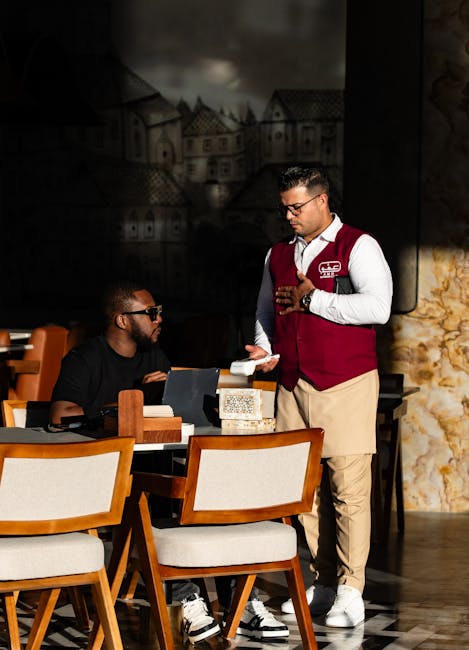
Below are ready-to-use scripts for the most common situations you’ll encounter in Lucerne: ambiguous menus, cross-contamination concerns, modifiable dishes, and counter orders. Each script also includes a phonetic line.
- Ambiguous menu: « The menu says ‘fleischfrei’ but not ‘vegan’. »
Phrase: « Ist das unabhängig von Milch und Eiern? » — Phonetic: « Ist das un‑ab‑hän‑gig fon milch und ai‑ern? » (Is this free of milk and eggs?)
- Cross-allergy: « I’m strictly vegan / allergic to milk. »
Phrase: « Ich bin Veganerin/Veganer und habe eine Milchallergie. Können Sie das garantieren? » — Phonetic: « Ish bin vay‑ga‑neh‑rin/vay‑ga‑ner und hab‑eh ei‑neh milch‑al‑ler‑gi‑eh. Kœn‑nen zee das ga‑ran‑tie‑ren? »
- Modifying a dish: « Can you remove the cheese? »
Phrase: « Ohne Käse, bitte. » — Phonetic: « Oh‑neh kay‑ze, bit‑te. »
- Counter / food truck order:
Short phrase: « Ist das vegan, ohne Honig? » — Phonetic: « Ist das vay‑gahn, oh‑neh ho‑nig? »
Quick tips:
- If the server answers « Nein » (no) to « Ist das vegan? », ask if they can prepare something simple: a salad without cheese, roasted potatoes without butter, steamed vegetables with oil.
- For coffees, ask for « Sojamilch / Hafermilch » (soy milk / oat milk). Phonetic: « Soy‑a milch / Hah‑fer milch ». Most cafés in Lucerne offer oat milk for about 0.50–1.00 € extra.
- If you worry about cross-contamination (e.g. shared fryers), ask directly: « Gibt es Kreuzkontaminationen? » — Phonetic: « Gibt es kroitz‑kon‑ta‑mi‑na‑tsio‑nen? »
7) Final printable checklist and 5-minute action plan
Before you sit down or buy a dish, follow this 5-minute action plan to be sure you’ll get a vegan meal in Lucerne. Print this checklist and tuck it in your wallet or save it as a favorite on your phone.
5-minute action plan:
- Visually scan the menu (30 seconds):
- Look for « vegan », « VG », « tierproduktefrei », « pflanzlich ».
- Read the menu legend (30 seconds):
- Decode « V », « veg. », « VG » and symbols.
- Ask 2 key questions to the server (1 minute):
- « Ist das vegan? » and « Enthält das Milch oder Ei? »
- Check sauces and broth (1 minute):
- « Ist die Brühe pflanzlich? » or ask for sauce on the side.
- Confirm cooking method and substitution if needed (1 minute):
- « In Pflanzenöl gebraten? » and « Statt Butter, bitte Pflanzenöl. »
Printable checklist (short list):
- 1. Find « vegan »/ »VG »/ »tierproduktefrei »
- 2. Ask « Ist das vegan? »
- 3. Confirm « ohne Milch », « ohne Ei », « ohne Honig »
- 4. Check « Brühe/Sauce pflanzlich? »
- 5. Ask « In Pflanzenöl gebraten? »
Quick-save addresses:
- Tibits — Hertensteinstrasse 9, 6004 Luzern — buffet, approx. 18–22 € — Mon–Sun 11:30–21:30.
- Coop (main) — Bahnhofstrasse 5, 6003 Luzern — vegan aisles, Mon–Sat 08:00–20:00.
- Migros (main) — Löwenplatz (shopping area), 6004 Luzern — ready meals, Mon–Sat 08:00–20:00.
- City market — Franziskanerplatz / Zentralstrasse — Tue/Fri mornings 07:00–13:00.

Conclusion — Eat vegan in Lucerne without stress
With these 7 key phrases and the step-by-step method, spotting vegan options on a German menu in Lucerne becomes a simple, reliable habit. You now have: the German words to recognize instantly, a 6-step method to verify dishes at a restaurant, phonetic phrases to show or say, how to decode menu abbreviations, and a shortlist of practical addresses (Tibits, Coop, Migros, local market) with indicative prices and hours to plan your meals.
Remember that transparency is common in Lucerne: restaurant staff are often used to specific dietary requests. If you are polite, precise and use the short phrases provided, most places will happily adapt a dish (remove cheese, use vegetable oil, replace cream). When in doubt, choose spots like Tibits where labeling is clear, or shop at Coop/Migros if you want a low-stress quick meal.
Final practical tips:
- Keep these phrases as a phone favourite for quick access.
- Mental-convert prices CHF→€, but expect to pay in Swiss francs; use a no-fee card when possible.
- Be specific about allergens (milk, egg, honey) rather than saying « vegetarian. »
Follow this guide and you’ll enjoy Lucerne — the lake, medieval alleys and Alpine views — without compromising your diet. Enjoy your meal and happy exploring!