





Introduction — Traveling from Lucerne to German-speaking Switzerland: context, key points and practical overview
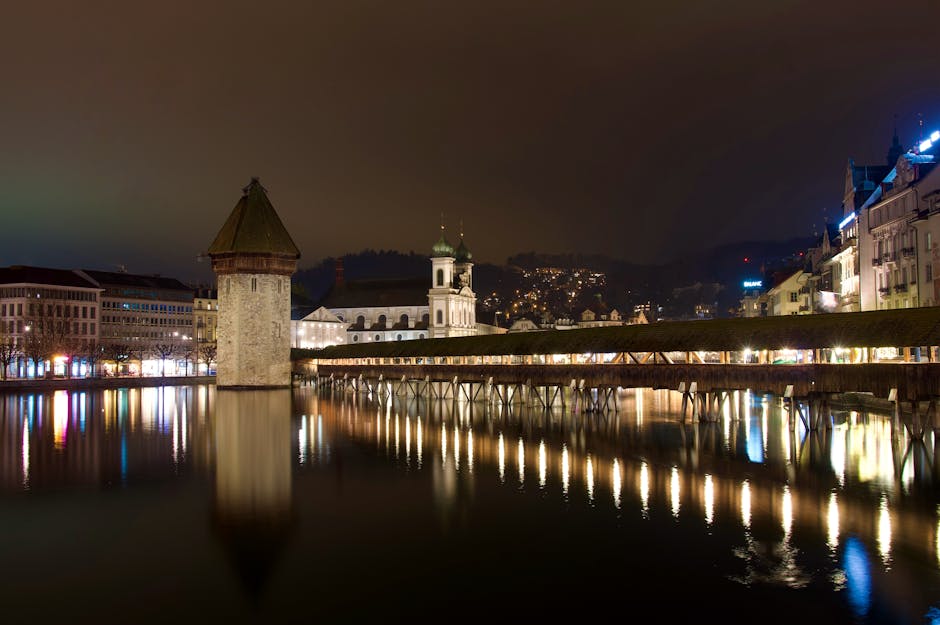
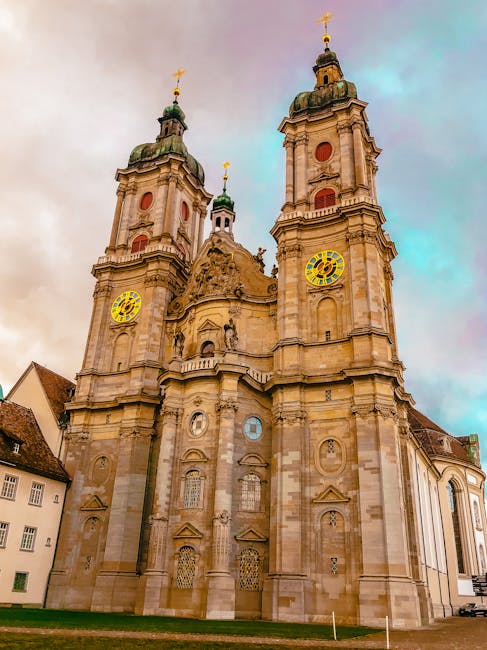
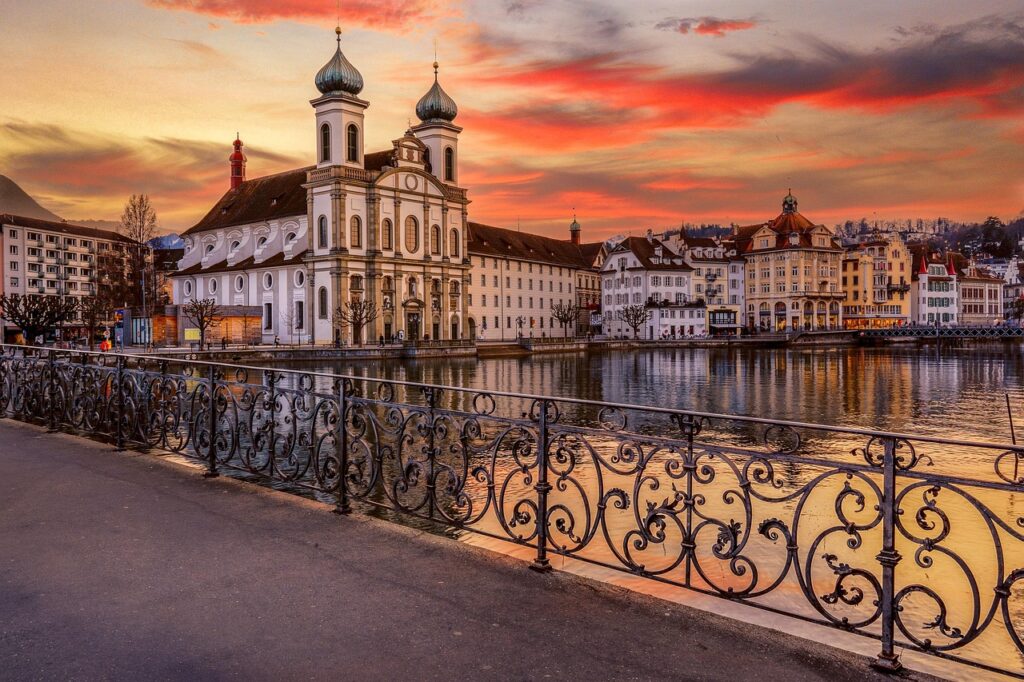
Lucerne (Luzern), nestled in the heart of Switzerland, is often seen as the gateway to German-speaking Switzerland — the country’s Germanophone region that includes vibrant cities like Zürich, Winterthur, Basel (Basel), Bern (Bern) and St. Gallen (St. Gallen), as well as rural and alpine areas where Alemannic dialects are spoken. Traveling from Lucerne to these destinations means choosing the right mode of transport (train, boat, bus, car) and mastering a few practical procedures: buying tickets, fare options (Swiss Travel Pass, Half-Fare Card / Halbtax), timetables, onboard services, connections, bike and pet transport, and accessibility information. This guide is aimed at all types of travelers — international visitors, temporary residents, or day-trippers — and gives exact addresses, indicative prices in euros, typical schedules and local tips to plan a comfortable, hassle-free trip.
Lucerne station (Luzern Bahnhof, Bahnhofplatz, 6003 Luzern) is the central hub. From here you can reach Zürich Hauptbahnhof (Zürich HB, Bahnhofplatz, 8001 Zürich) in under an hour by InterRegio, or connect to Basel, Bern and St. Gallen via regular SBB (Schweizerische Bundesbahnen) services. Cruising on Lake Lucerne (services by SGV — Schifffahrtsgesellschaft des Vierwaldstättersees) is a scenic alternative to reach some Alemannic lakeside towns and lets you combine transport with sightseeing.
This detailed guide will explain:
- The main transport options between Lucerne and German-speaking Switzerland, with departure and arrival addresses, sample schedules and indicative prices in euros.
- How to buy tickets: SBB counters, ticket machines, SBB Mobile app, and SGV/PostAuto sales points.
- Fare-saving tips: Half-Fare Card (Halbtax), Swiss Travel Pass and regional day passes, with example calculations in euros.
- Practical tips: connections, platforms, luggage, bikes, dogs, accessibility and a few language tips for communicating in German-speaking Switzerland.
- Recommended routes, day-trip suggestions and safety & local etiquette information.
Before you go, remember Switzerland primarily uses the Swiss franc (CHF). All prices here are shown in euros (€) as a guide: actual fares are displayed in Swiss francs at counters and on official sites (SBB.ch, SGV.ch). Approximate conversion used in this guide: 1 CHF ≈ €0.95 (market rates vary). We recommend checking current conversion rates and official fares on the relevant websites before traveling.
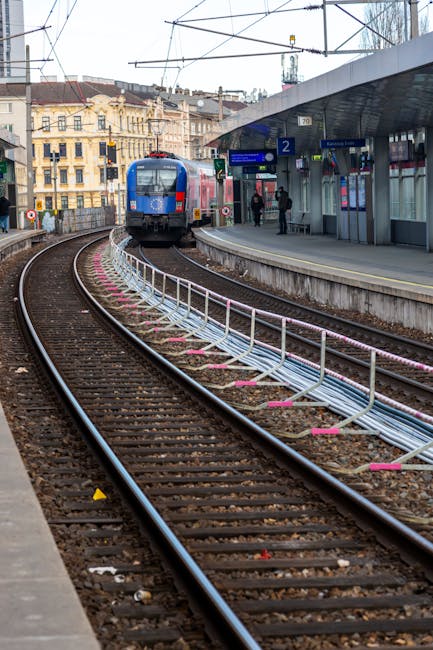
1) Trains: procedures, typical schedules and tips for journeys Lucerne → major German-speaking cities
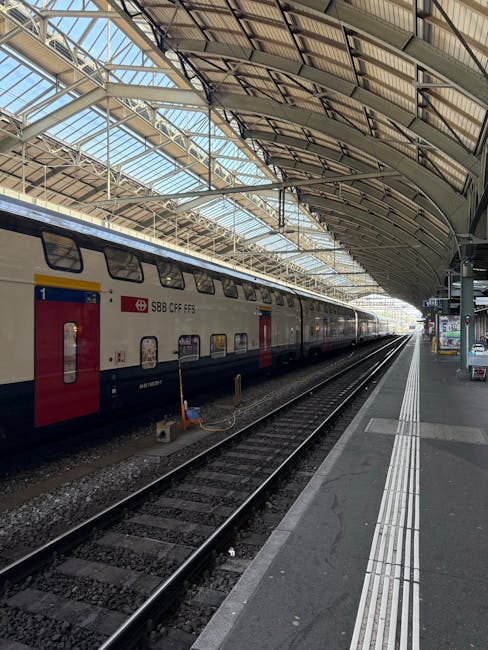
The train is by far the most practical and frequent option to reach German-speaking Switzerland from Lucerne. The main station, Luzern Bahnhof (address: Bahnhofplatz, 6003 Luzern), is served by InterRegio (IR), InterCity (IC) and regional S-Bahn services. SBB trains are punctual, comfortable and equipped with luggage areas, restaurant cars on some routes and Wi‑Fi on an increasing number of trains.
Typical schedules and approximate durations:
- Lucerne → Zürich Hauptbahnhof (Zürich HB, Bahnhofplatz, 8001 Zürich): InterRegio every 30 minutes, duration ≈ 44–50 minutes. First trains from around 05:15, last trains around 00:30. Indicative fare: ~CHF 25 → ≈ €24 in 2nd class (standard, single ticket).
- Lucerne → Basel SBB (Basel SBB, Bahnhofplatz, 4051 Basel): InterRegio/IC via Rotkreuz or via Olten, frequency about once per hour, duration ≈ 1h35–1h50 depending on routing. Indicative fare: ~CHF 34 → ≈ €32 in 2nd class.
- Lucerne → Bern (Bern Bahnhof, Bahnhofplatz, 3000 Bern): InterRegio via Wolhusen/Olten, hourly service, duration ≈ 1h05–1h20. Indicative fare: ~CHF 30 → ≈ €28.
- Lucerne → Winterthur (Winterthur Bahnhof, Bahnhofplatz, 8400 Winterthur): usually via Zurich, total journey ≈ 1h15–1h40 depending on connections. Overall fare ≈ €28–€35.
- Lucerne → St. Gallen (St. Gallen Hauptbahnhof, Bahnhofpl. 6, 9001 St. Gallen): via Zürich HB; total ≈ 1h50–2h20 depending on connections. Indicative fare: ~CHF 45 → ≈ €43.
How to buy tickets: you can purchase tickets:
- At SBB ticket counters in Luzern Bahnhof (generally open 06:00–20:00; check times on SBB.ch)
- From the yellow SBB ticket machines in the station hall (accept bank cards, CHF cash and sometimes EUR; accepted currencies vary)
- Via the SBB Mobile app (e‑ticket function: show your ticket on your smartphone — very handy to avoid printing)
- On sbb.ch (printable ticket or e‑ticket)
Practical tips:
- Reservations: generally not required on national InterRegio/IC trains. Reserve only for certain international services or very popular tourist trains in high season (e.g., Glacier Express).
- Halbtax / Half-Fare Card: if you plan multiple trips, the Half-Fare card (Halbtax) in CHF can be cost-effective. It reduces most train fares by 50% and works with point-to-point tickets. Calculate value based on your planned journeys.
- Luggage: no strict size limits; store suitcases in the luggage areas at the ends of carriages. Swiss rail is generally very safe, but keep valuables close by.
- Accessibility: elevators and ramps are available at Luzern Bahnhof; for special assistance contact SBB at least 24 hours in advance via sbb.ch.
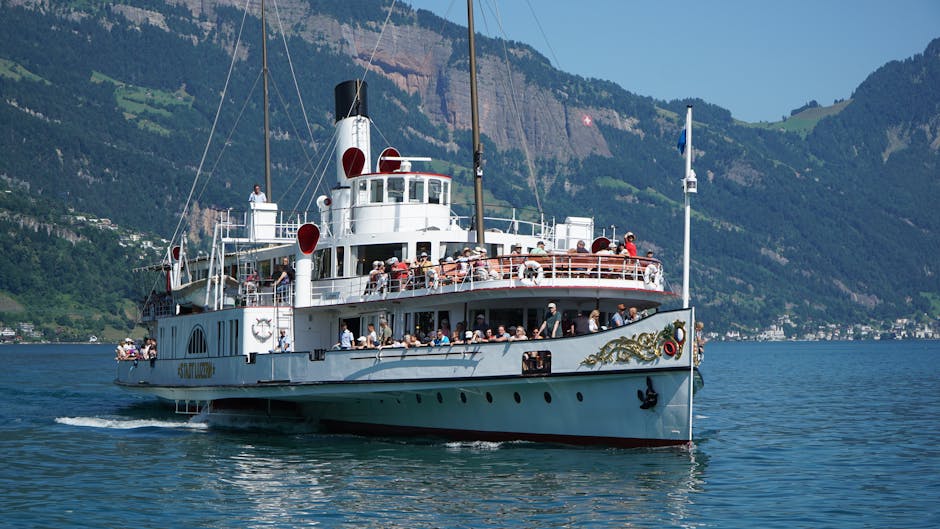
2) Boat connections and boat+train combinations: experiences, prices and timetables
Lake Lucerne (Vierwaldstättersee) provides a unique, highly scenic way to reach parts of German-speaking Switzerland or to make travel between towns a memorable experience. The main navigation company is the Schifffahrtsgesellschaft des Vierwaldstättersees (SGV), based in Lucerne, Bahnhofquai, 6003 Luzern. Boats depart from the central quay near the station and offer regular services to lakeside villages such as Weggis, Vitznau, Brunnen and Flüelen.
Schedules and frequencies:
- Lucerne → Weggis: seasonal frequency (higher in summer), duration ≈ 35–45 minutes. First departures around 08:50 (times vary by season), last departures often before 18:00 for some direct services. Indicative fare: ~CHF 18 → ≈ €17 one-way.
- Lucerne → Vitznau: similar to Weggis, duration ≈ 45 minutes. Indicative fare: ~CHF 20 → ≈ €19.
- Panoramic cruises Lucerne → Flüelen (via Brunnen, Treib): longer routes, often half-day to full-day trips; prices vary: ~CHF 35–CHF 70 → ≈ €33–€67 depending on route and themed excursions.
Boat + train combinations:
- Several itineraries mix SGV boat trips with SBB trains: e.g., Lucerne → Vitznau by boat then Vitznau → Arth-Goldau by train with onward connections to Zürich, Basel or St. Gallen. These combinations offer a relaxed alternative and can avoid mountain road stress.
- Combined tickets are available at the SGV ticket office on the quay or via sbb.ch for mixed journeys. The Swiss Travel Pass covers SGV navigation on many routes (check exclusions); it can be a great value for travelers doing several sightseeing trips.
Practical boat tips:
- Arrive 15–20 minutes early at the quay (Bahnhofquai, 6003 Luzern). In high season boarding can take time, especially for larger excursion ships.
- Tickets: buy at the SGV kiosk on the quay or on sbb.ch for combined journeys; the SBB app often lists boat timetables when you plan a mixed trip.
- Extra costs: if you bring a bicycle expect a surcharge (usually CHF 5–10 → ≈ €5–€9). Pets are usually allowed with a special ticket at reduced fares.
- Onboard services: light catering on longer cruises; outstanding views of Mount Rigi and the alpine slopes surrounding the lake.
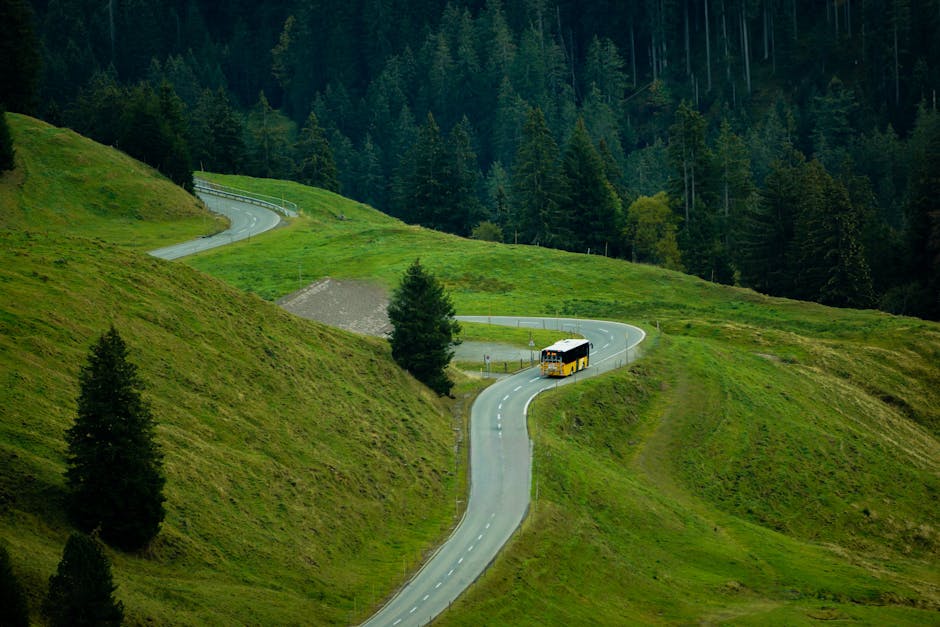
3) Regional bus (PostAuto), car and ridesharing: procedures, costs and driving tips
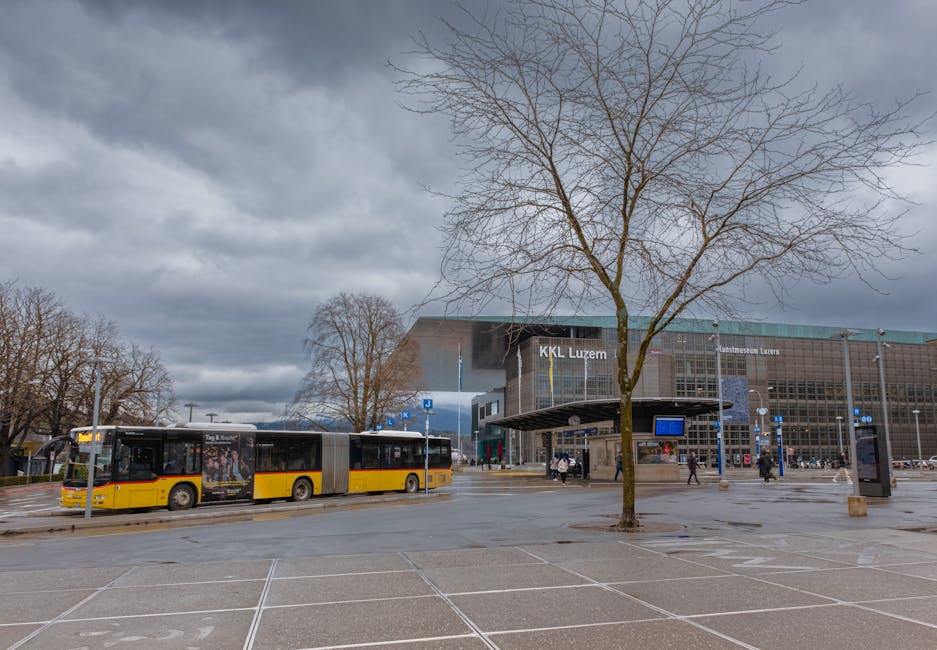
In addition to trains and boats, the regional bus network (PostAuto / PostBus) and driving remain appealing options to reach rural parts of German-speaking Switzerland or to tailor an itinerary. The main departure point for regional buses is also near Lucerne station (Bahnhofplatz, 6003 Luzern), where PostAuto stops and information displays are located.
PostAuto — procedures and fares:
- PostAuto operates routes to valleys and alpine villages not served by rail: e.g., routes to Engelberg, Hasliberg and small communities around the lake. Daytime frequencies are good; evening services are reduced.
- Indicative fares: short regional trips ≈ CHF 5–CHF 15 → ≈ €5–€14; longer routes ≈ CHF 20–CHF 40 → ≈ €19–€38. Payment by cash (CHF), bank card and sometimes SBB/SwissPass tickets.
- Buy tickets from the driver, at PostAuto machines or via SBB Mobile if the trip is part of a combined train+bus journey.
Car — practical tips:
- Rental: international agencies at the station and Zurich airport. Reference location in Lucerne for rental desks: Luzern Bahnhof (car rental desks), Bahnhofplatz, 6003 Luzern. Approximate daily rental prices: ~€40–€90 depending on season and car class (compact ≈ €40–€60/day, SUV ≈ €80–€120/day), insurance optional.
- Parking: Parkhaus Zentral (Paradeplatz/Parkhaus Bahnhof) and Parkhaus Allmend/Messe; central parking costs ≈ CHF 2.50–CHF 4.50/hour → ≈ €2.40–€4.30, daily rates available.
- Motorway vignette: not required for very short local tourist trips, but an annual vignette (CHF 40 ≈ €38) is required to use Swiss motorways. Mountain roads can be narrow and winding; check winter conditions (snow tires may be required).
Rideshare / carpooling:
- Local rideshare platforms (e.g., BlaBlaCar) exist and can be cost-effective for longer intercity trips (Lucerne → Zürich, Basel). Check user reviews and conditions.
- Mobility apps: taxis are reliable but expensive; fare estimate Luzern → Zürich by taxi ≈ CHF 200–CHF 300 → ≈ €190–€285 (not recommended for long journeys).
Safety and driving tips:
- Strict enforcement of speed limits and road rules: frequent checks. Blood alcohol limits are low (0.05% for drivers). Fines are strict.
- If taking mountain roads allow extra travel time, especially in winter. Roads may close for weather reasons; check with local tourist offices or TCS.ch for updates.
4) Fares, cards and passes: how to save and which options to choose
Understanding Swiss fare options can save you a lot. Here’s an overview of the most useful cards and passes for traveling from Lucerne across German-speaking Switzerland, with concrete examples and simple calculations in euros.
1) Point-to-point tickets: ideal for isolated trips.
- Example: Lucerne → Zürich in 2nd class ≈ CHF 25 → ≈ €24. Return ≈ €48. If you only do a single return trip in a day, compare with a regional Day Pass.
2) Halbtax (Half-Fare Card) — best for medium-length stays:
- Allows you to buy most train, bus and boat tickets at 50% off. Indicative cost: CHF 185 (price may vary) → ≈ €176. Worthwhile if you make two long-distance trips or several journeys over 2–3 days.
3) Swiss Travel Pass — for intensive sightseeing:
- Offers unlimited travel on the SBB network, regional trains, buses and many boats for 3, 4, 8 or 15 days. Includes free entry to many museums.
- Example prices: 4 days in 2nd class ≈ CHF 262 → ≈ €250; 8 days ≈ CHF 418 → ≈ €400. Very cost-effective for itineraries with several long-distance trips or tourist excursions.
4) Saver Day Pass & Supersaver Tickets:
- SBB offers a « Saver Day Pass » and Supersaver discounts for travel at fixed times. These prices vary with demand. Sometimes you can find a reduced Lucerne → Zürich return (e.g., CHF 29 → ≈ €28) if you book early.
Tips for choosing:
- Plan your trips in advance: tally up point-to-point fares and compare with the cost of a Halbtax + discounted tickets, or a Swiss Travel Pass. If you plan two intercity return trips or many excursions, Halbtax + tickets is often cheapest.
- Senior travelers may get special fares on some offers; families often get child discounts (children are often free up to a certain age when accompanied).
- The prices shown here are indicative and expressed in euros for easy comparison, but purchases on site will be in CHF; SBB sites and the app accept card payments in EUR.
Conclusion — Practical recap and final recommendations for traveling from Lucerne to German-speaking Switzerland
Traveling from Lucerne to German-speaking Switzerland is straightforward, efficient and can be very enjoyable if you plan your itinerary properly. Luzern station (Bahnhofplatz, 6003 Luzern) is a true multimodal hub where SBB trains, SGV boats and PostAuto buses meet — making it the ideal starting point for most journeys to Zürich, Basel, Bern, Winterthur or St. Gallen. InterRegio/IC trains provide frequent, comfortable service: Lucerne → Zürich in under an hour is the most used connection, with departures roughly every 30 minutes. Lake Lucerne boat services add an unmistakable tourist touch for those wanting to combine travel and scenery, while PostAuto buses serve more remote locations. Renting a car gives maximum flexibility but tends to be costlier and more demanding, especially on mountain roads.
On fares, evaluate your needs: for a short stay packed with excursions, the Swiss Travel Pass may be worthwhile; for less frequent travel the Half-Fare Card (Halbtax) combined with point-to-point tickets is often the best value. Also watch for SBB Supersaver offers and advance deals that can significantly cut travel costs if you are flexible with times. Remember that the official currency is the Swiss franc (CHF) — on-site transactions and practical purchases are in CHF, and the euro amounts given here are estimates.
Finally, adapt your choices to the season: in summer favor boats and scenic routes; in winter check road conditions if driving and pack warm clothes for transfers. Allow 15–20 minutes extra for boat boarding and 10–15 minutes at the station during peak times. For assistance, the SBB ticket counters at Luzern Bahnhof and the SGV kiosks on the quay are responsive and multilingual (German, French, English). Follow these tips and your journey from Lucerne into German-speaking Switzerland should be smooth — leaving you free to enjoy alpine views, the architecture of German-speaking city centers and the cultural richness of each canton.
Have a great trip, and be sure to check official sites before you travel: sbb.ch for SBB timetables and tickets, sgv.ch for Lake Lucerne navigation, and postauto.ch for regional bus services. These sites provide the most accurate, real-time information on timetables, works, fares and any seasonal restrictions.