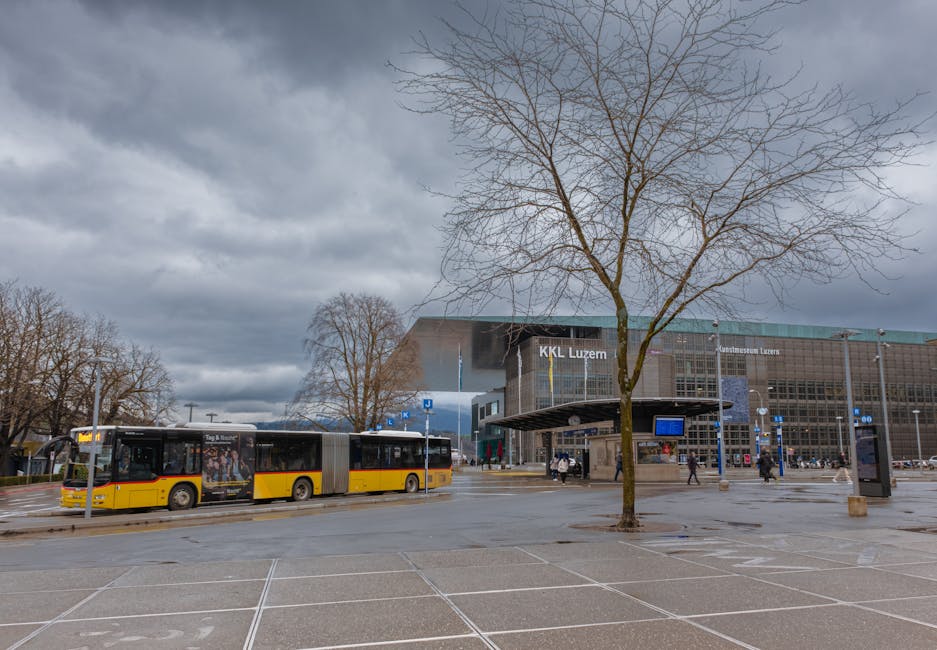






Introduction — Understanding Lucerne’s network: an accessible Alpine hub
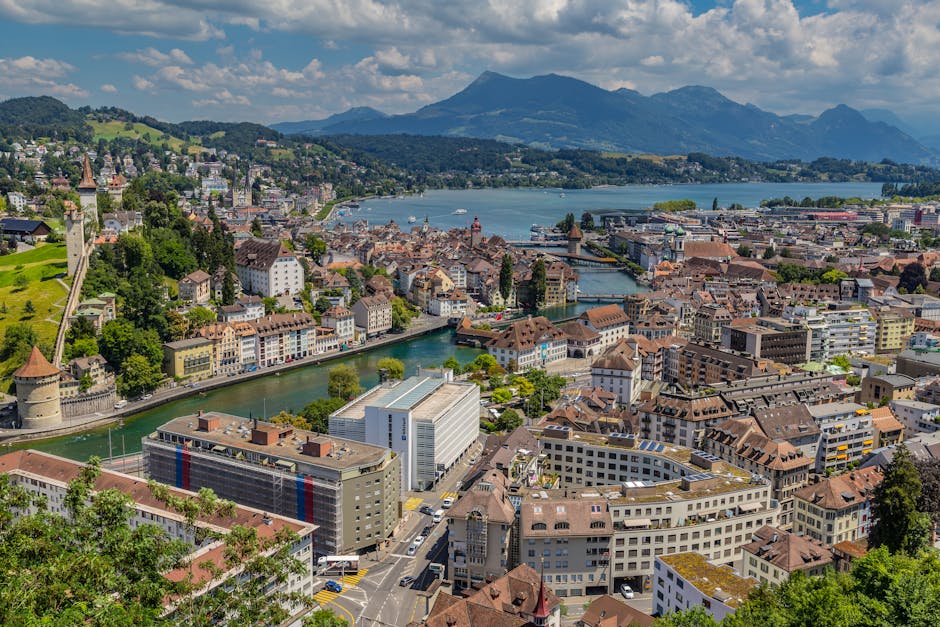
Lucerne (Luzern) is more than a Swiss postcard: it’s a transport hub where regional trains, boats on Lake Lucerne (Vierwaldstättersee), funiculars, cable cars and a dense urban tram and bus network meet. For travelers who want to make the most of the city and its surroundings — from the medieval old town to trips up Pilatus or Rigi — knowing Lucerne’s transport network is essential. This detailed guide walks you through the network via ten key stations: railway stations, ship piers, strategic tram stops and access points for the region’s top day trips. Each station includes its exact address, typical schedules, indicative prices in euros, an immersive description and practical local tips.
The goal is twofold: first, to give you a clear picture of how the network is woven so you can optimize your movements; second, to provide concrete reference points — addresses, opening times, fares — so you can plan your visits without surprises. Lucerne’s network is particularly friendly for travelers: connections between train, boat and bus are often timed to link up smoothly, downtown distances are short and information is usually available in German, English and sometimes French. Still, a few nuances are worth noting: boat piers have specific names (for example Bahnhofquai), some tourist links (Pilatus, Rigi) run seasonal schedules and require special tickets, and fares change depending on whether you buy a single ticket, a Swiss Travel Pass, or a regional card like the Lucerne Visitor Card.
In this guide each station is chosen for its strategic role: transfer point, gateway to a major attraction, place where a change of mode happens (train → boat) or simply a stop you can’t skip if you want to navigate the city efficiently. You’ll also find local tips: which station exit to favor for your destination, which pier to use to board, how to avoid peak times, and where to buy the best-value tickets. Fares are shown in euros to make it easier for international readers; note that the official currency is the Swiss franc (CHF) and the euro amounts are rounded conversions given for guidance.
Finally, to help visualisation, throughout the article you’ll see image markers corresponding to useful views: station platforms, bridges over the lake, urban tram stops, facades of the Transport Museum, and more. These visual cues will help you recognise places on arrival and get your bearings faster.
1. Luzern Hauptbahnhof — The city’s main gateway
Address: Bahnhofplatz, 6003 Luzern, Switzerland. Luzern Hauptbahnhof (Lucerne Central Station) is the true heart of the network: it’s where SBB national trains, regional Zentralbahn services, urban bus lines and trams (stop: Bahnhofplatz) all converge. The station has been modernised and offers direct links to Zurich (around 45 minutes), Bern, Interlaken and branches to Engelberg and the Alpnach valley. SBB ticket counters, ticket machines and a large concourse with shops make buying tickets and connecting easy.
Hours: SBB ticket counters are generally open from 06:00 to 20:00 (seasonal variations). Regional trains run from about 05:00 and continue late into the evening; the last intercity connections can be around 00:30. For exact times, check sbb.ch or the SBB Mobile app.
Indicative prices: single ticket Lucerne → Zurich about €14–€18 (depends on train type and reservations); half-fare card reduces prices. Urban tram/bus tickets (local zone) around €2.80–€3.50 for a single trip (practically charged in CHF).
Immersive description: emerging from the main facade you face a plaza dotted with signs and a steady flow of travellers on tight transfer schedules. The platforms are covered, bright and well signed in German and English. From the main exit, take the pedestrian route down toward the lake and you can reach the ship piers in under 5 minutes.
Local tips: arrive 20–30 minutes before departure if you’re handling luggage, and use the multilingual ticket machines to avoid queues at the counters. To catch a boat on the lake, follow the signs to Bahnhofquai from the main exit (see section 2). Elevators and ramps make the station accessible for strollers and passengers with reduced mobility.
2. Bahnhofquai / Luzern Ship Pier — Boarding points for the lake
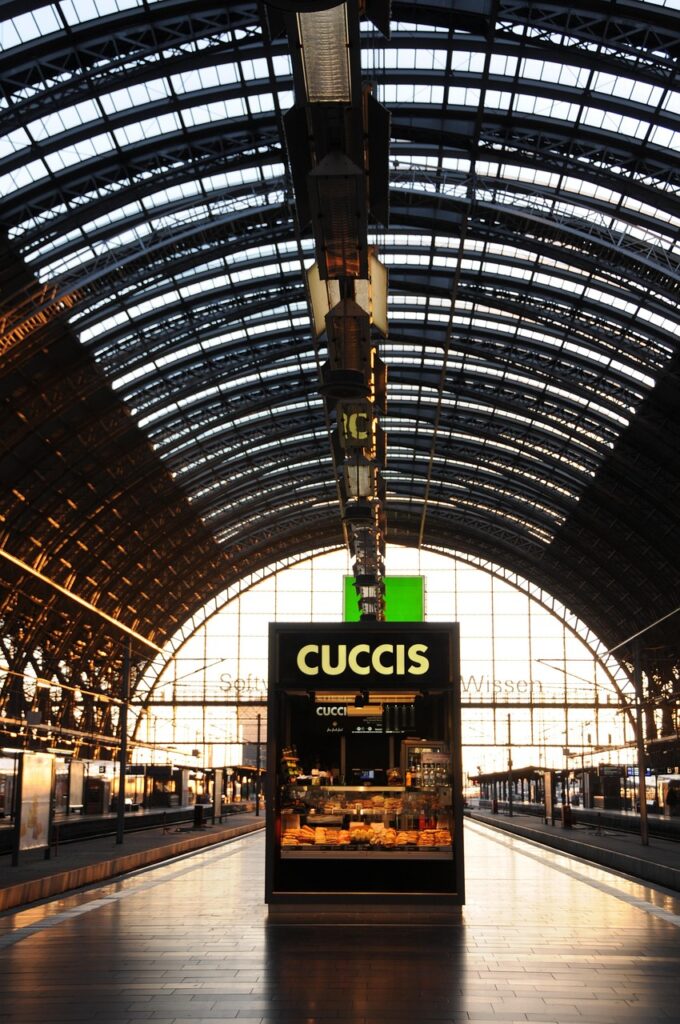
Address: Bahnhofquai, 6003 Luzern, Switzerland. The station pier (Bahnhofquai) is the main boarding point for boats on Lake Lucerne. Classic paddle steamers and modern boats depart regularly for Weggis, Vitznau, Brunnen and Flüelen. Many tourist cruises (from one to three hours) start here.
Hours: departures vary by season; in high season (April–October) popular destinations usually depart every 30–60 minutes between 08:30 and 18:30. Exact timetables are on sbb.ch or the Navigation Luzern (Schifffahrtsgesellschaft des Vierwaldstättersees) website.
Indicative prices: short cruise (1 hour) about €12–€18; trips to Vitznau or Weggis about €20–€35 depending on distance and boat type. Swiss Travel Pass holders often benefit from free rides or discounts on some routes.
Immersive description: the pier offers panoramic views of the mountains surrounding the lake and the old town. The walk from the station to the pier passes terrace cafés and ticket sellers; the scent of water mixed with the aged wood of the paddle steamers creates a timeless atmosphere.
Local tips: for popular morning cruises or connections to Rigi and Pilatus, arrive 20–30 minutes early to secure a spot on the outside deck. Tickets are sold at the navigation company’s ticket office or via the SBB app. Note: some boats accept only card payment or CHF; carry a small amount of cash just in case.
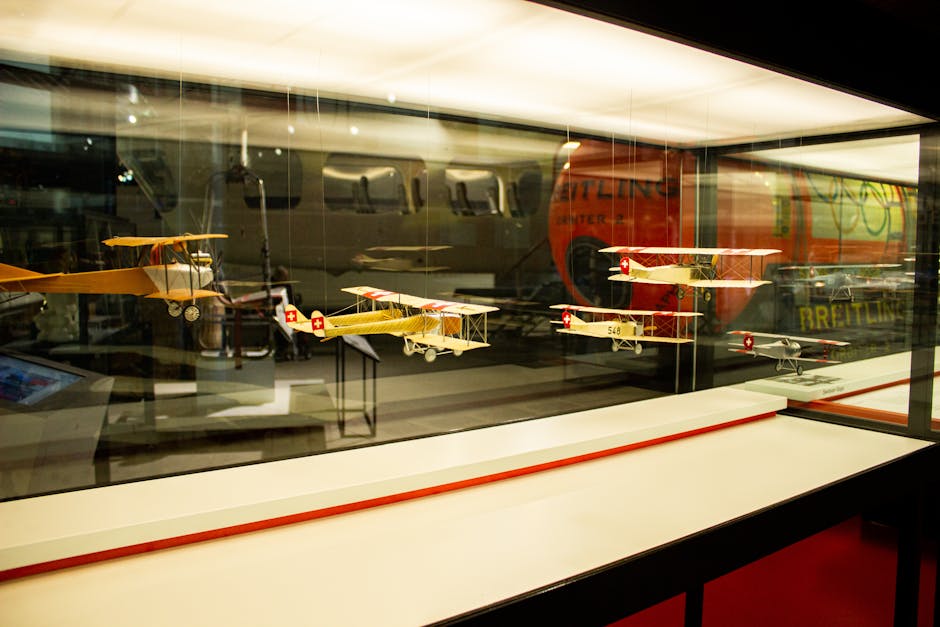
3. Verkehrshaus / Swiss Museum of Transport — The cultural and multimodal hub
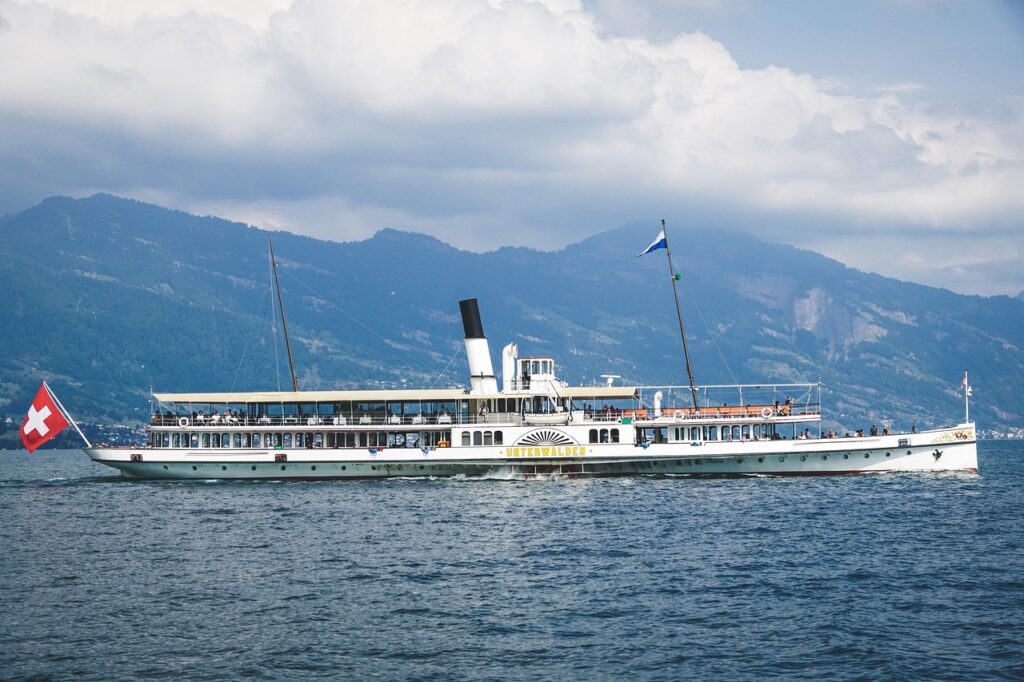
Address: Verkehrshaus der Schweiz, Lidostrasse 5, 6006 Luzern, Switzerland. The Swiss Museum of Transport (Verkehrshaus) is reachable by tram (line 6 / stop: Verkehrshaus) and is a key station for families and transport enthusiasts. Beyond exhibits on rail, cars, aviation and space, the site includes a planetarium, a cinema and a large outdoor exhibition park.
Hours: generally open 10:00–17:00 on weekdays, with extended hours in high season (check verkehrshaus.ch). Occasional closures may happen for special events.
Indicative prices: adult entry around €31–€33; reduced rates (youth, seniors) about €20–€22; children often free or discounted depending on age. Planetarium tickets are extra (≈ €6–€12).
Immersive description: the Verkehrshaus station marks a change of scale: from the bustling city centre you step into an interactive discovery space dominated by suspended aircraft and historic locomotives. Families love the hands-on zones where kids can pilot simulators or explore an old cockpit.
Local tips: combine a museum visit with a short cruise or a tram ride from the main station. Tram 6 runs directly from Bahnhofplatz; the trip takes about 10–12 minutes. Buy museum tickets online to avoid queues, especially at weekends.
4. KKL Luzern / Europaplatz — Culture and connections
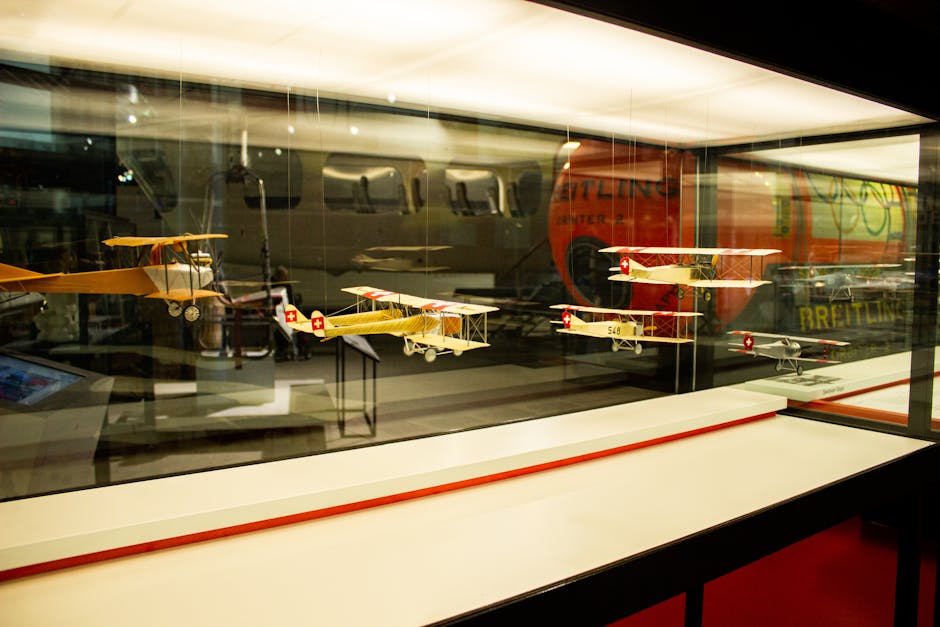
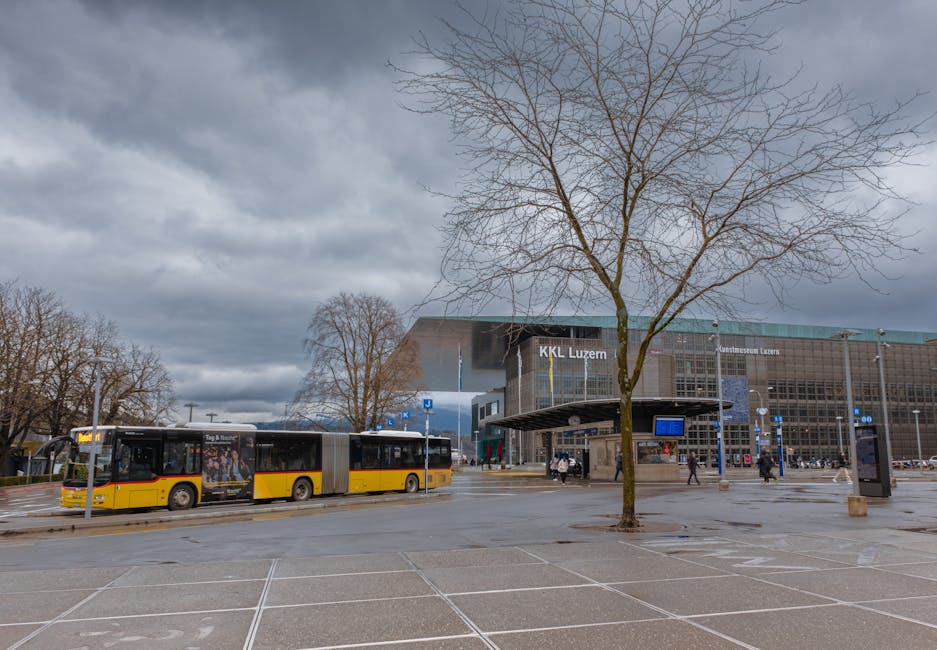
Address: KKL Luzern (Culture and Convention Centre), Europaplatz 1, 6005 Luzern, Switzerland. The KKL sits adjacent to the station and serves as a major transfer point for visitors attending concerts, conferences and events. Its immediate proximity to the station makes it a common meeting point for groups and guided tours.
Hours: the lobby is typically open from 08:00 to 22:00; events and box office hours vary (check kkl-luzern.ch).
Indicative prices: concert tickets at the KKL vary widely: from €20 for local shows to over €150 for international events or symphony performances. Temporary exhibitions may have separate fees.
Immersive description: the KKL’s glass façade creates a seamless transition between the station and the lake. Jean Nouvel’s contemporary architecture draws the eye as much as the high-level music programming. It’s also a handy landmark thanks to multilingual signage and nearby taxi and bus stops.
Local tips: if you’re attending a concert, arrive 30–45 minutes early to enjoy the bar and avoid queues. Travellers stepping off a train and needing a quick transfer to a boat or bus can cross Europaplatz in just a few minutes.
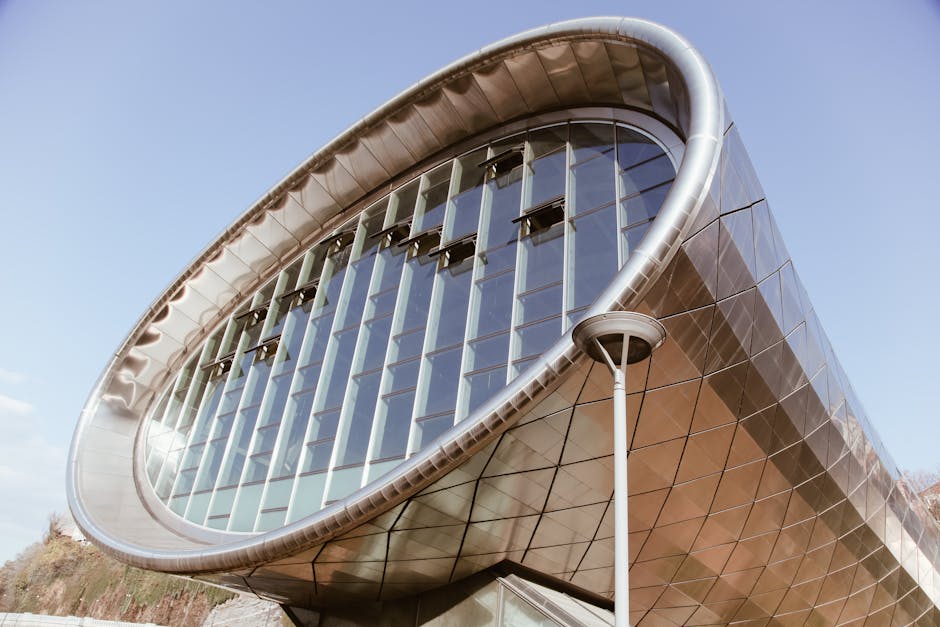
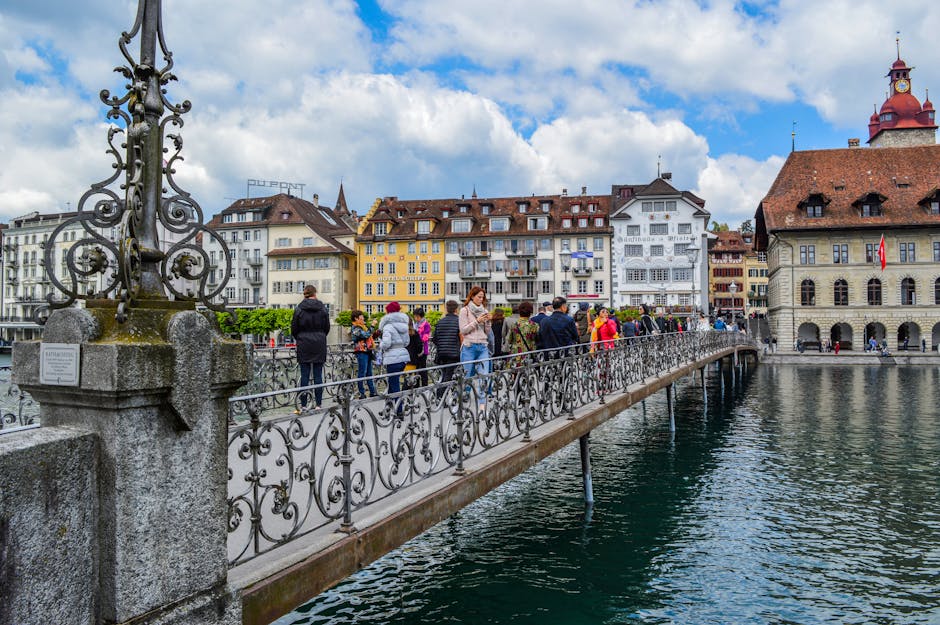
5. Kapellbrücke / Chapel Bridge — The stop for the old town
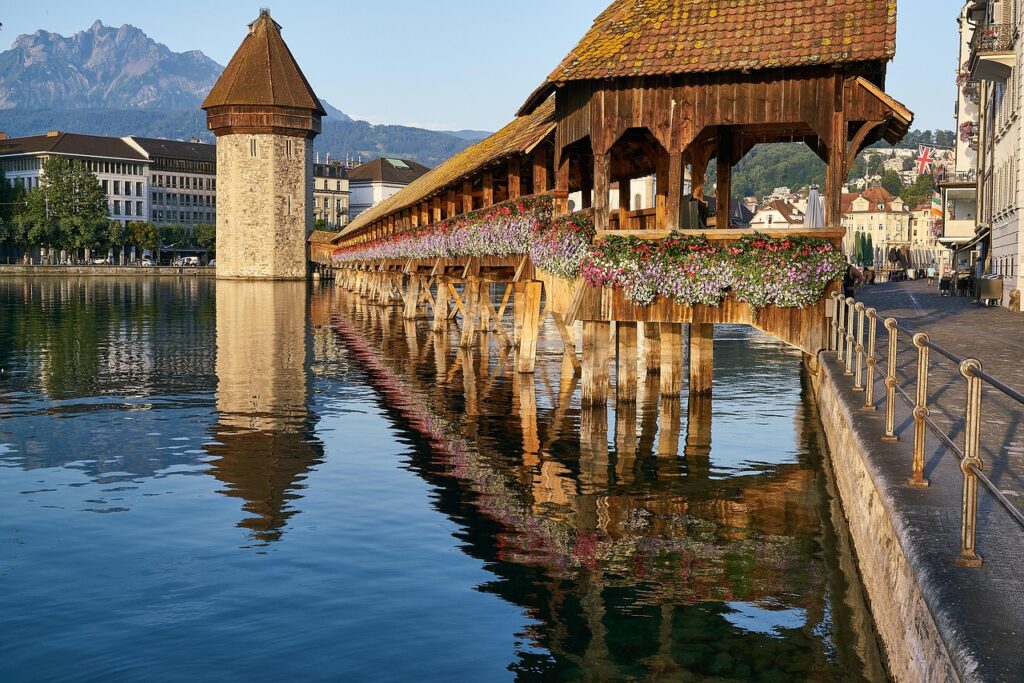
Address: Kapellbrücke, 6002 Luzern, Switzerland (covered bridge near the Reuss). While Kapellbrücke isn’t a « station » in the strict sense, it’s an unmissable tourist magnet — close to bus stops and a 3–5 minute walk from the main station. It marks the entrance to the old town, with its restaurants and craft shops.
Hours: the walkway is accessible at all times; nearby shops and museums generally open 10:00–18:00.
Indicative prices: free to access the bridge; nearby museums and attractions (e.g. the Culture Museum) charge around €6–€15 for entry.
Immersive description: crossing Kapellbrücke at sunrise or sunset is a classic Lucerne moment: the weathered wood, historic paintings under the roof and the reflections on the Reuss create a picture-perfect scene for photography. The adjoining lanes invite wandering and café stops.
Local tips: to avoid crowds, visit the bridge early in the morning (07:00–09:00) or later in the evening after 18:00. If you’re boarding a boat from Bahnhofquai, you can combine the bridge stroll with a sunset cruise.
6. Luzern Allmend/Messe — Access to events and green spaces
Address: Allmend/Messe (tram/bus stop), Allmendstrasse, 6005 Luzern, Switzerland. Located a few minutes northwest of the main station, the Allmend/Messe stop serves the Messe Luzern exhibition centre and large green spaces used for fairs, concerts and seasonal events.
Hours: served all day by tram and bus lines; frequency increases during events. Exhibition halls have variable opening times depending on each show (check organiser websites).
Indicative prices: tram ride from the station ≈ €1.50–€3.00 (single urban journey). Exhibition entry fees vary (often between €10 and €30 depending on the event).
Immersive description: Allmend/Messe is where urban life meets large gatherings: lawns, jogging tracks, stadiums and exhibition halls. It’s a convenient stop for travellers attending a fair or looking for a big green spot to picnic.
Local tips: if you’re going to Messe Luzern, check for special shuttle services from the station and allow some extra time for crowds leaving the venue at the end of the event.
7. Kriens Mattenhof — Gateway to Pilatus
Address: Kriens Mattenhof (Zentralbahn station), Mattenhofstrasse, 6010 Kriens, Switzerland. Kriens Mattenhof is the recommended station for accessing the cable car and funicular that lead up to Pilatus (Pilatusbahn via Kriens). It’s a key link for anyone planning the classic mountain excursion from Lucerne.
Hours: regular regional trains from Luzern Hauptbahnhof (typical frequency 20–30 minutes); cable cars and funiculars usually run from 08:30 to 17:00 in low season, with extended hours in summer.
Indicative prices: local train Lucerne → Kriens Mattenhof ≈ €2–€4; Pilatus ascent (round-trip cable car/funicular + descent by boat/other combinations) about €55–€75 depending on chosen combo.
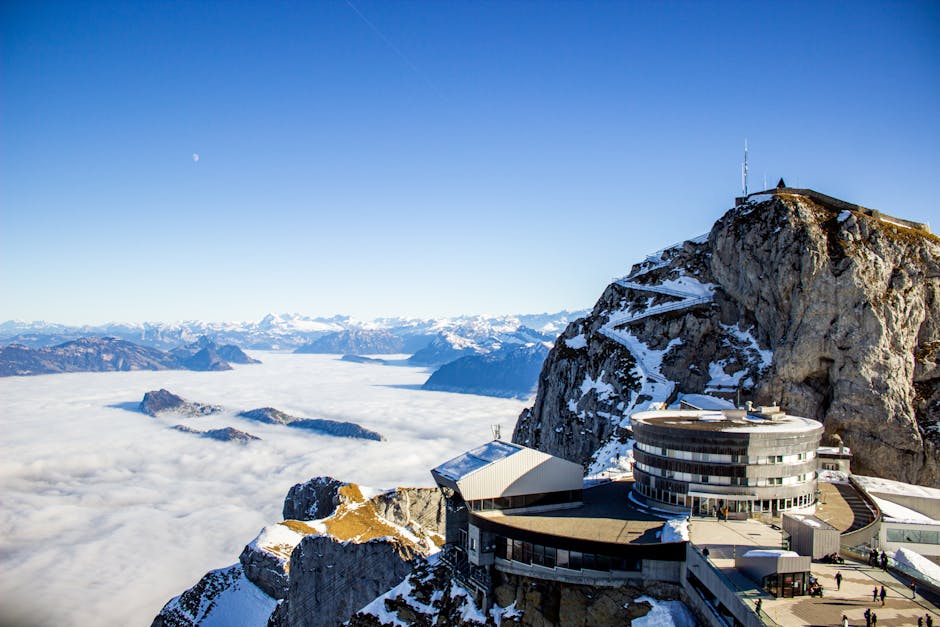
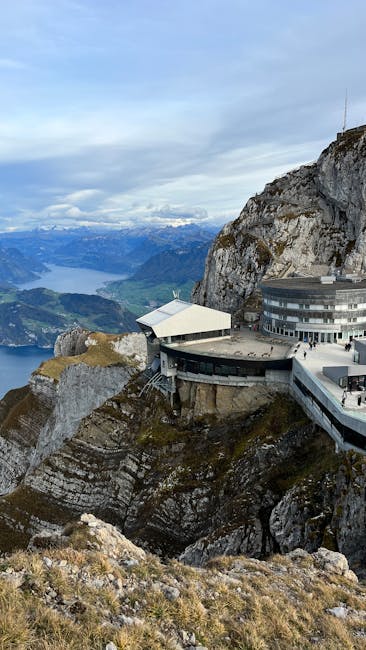
Immersive description: Kriens Mattenhof feels more residential and alpine: stepping off the train you quickly find hiking trails, mountain cafés and lift access. The climb rewards you with spectacular views over the lake and the city.
Local tips: to avoid crowds at Pilatus, head out early (depart before 09:30) or book a combined ticket online. Check weather conditions: fog can significantly limit the views.
8. Horw Bahnhof — Residential community and southern access
Address: Bahnhof Horw, Bahnhofstrasse 1, 6055 Horw, Switzerland. Horw is an important stop for commuters and for those wanting to explore the southern shore of the lake or access the nearby nature park. It’s served by S-Bahn regional trains and local bus lines.
Hours: frequent regional trains from early morning until late evening; buses are scheduled to serve neighbourhoods.
Indicative prices: single trip from Lucerne main station ≈ €1.50–€3.00. Regional fare options and passes available.
Immersive description: Horw has a calmer feel than the city centre: family homes, neighbourhood cafés and easy access to lakeside walks. It’s a great base for breaking up a tourist-heavy itinerary with a taste of local life.
Local tips: if you’re staying on the outskirts of Lucerne to save on accommodation, Horw often offers cheaper lodging and short rides into the centre. Buses are reliable but check the last departures in the evening.
9. Emmenbrücke Bahnhof — Industrial past turned hub
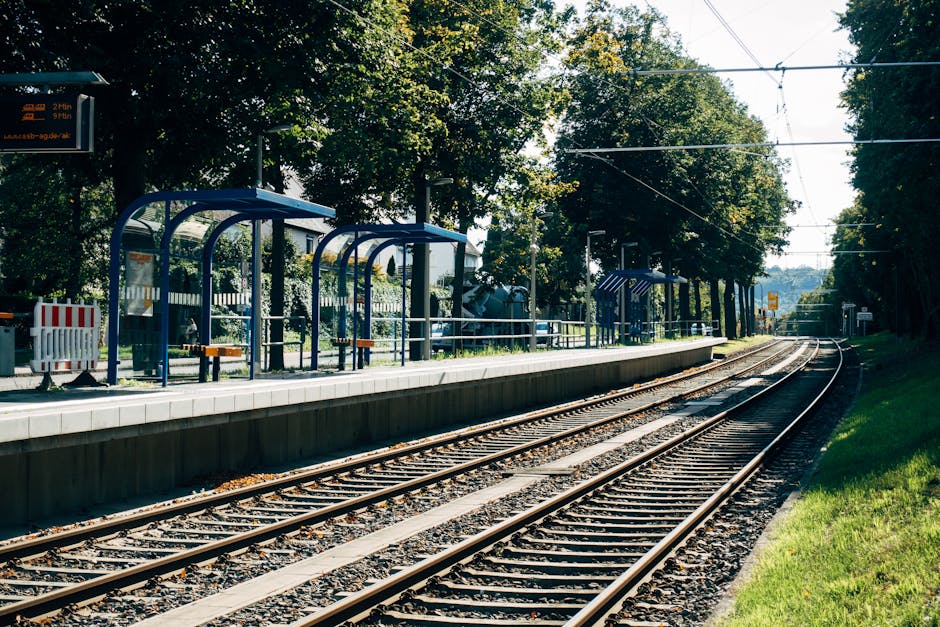
Address: Bahnhof Emmenbrücke, Bahnhofstrasse 5, 6032 Emmenbrücke, Switzerland. Emmenbrücke lies northeast of Lucerne and is a crossroads for regional lines, buses and commercial zones. It’s a stop commonly used by locals who work in the industrial and retail areas.
Hours: frequent weekday service, reduced on Sundays; early trains from about 05:30 and last departures close to midnight depending on season.
Indicative prices: Lucerne → Emmenbrücke ≈ €1.50–€3.00. Fares vary by journey length and ticket type.
Immersive description: Emmenbrücke stands in contrast to the old town: modern architecture, shopping centres and a steady stream of commuters. The station is functional, with bike parking and clearly marked bus connections.
Local tips: visitors renting a car or bike will often find cheaper parking options around Emmenbrücke than in central Lucerne. Check bus timetables to reach specific points of interest (e.g. factories, shopping centres).
10. Alpnachstad Bahnhof / Pilatusbahn terminus — The historic gateway to Pilatus
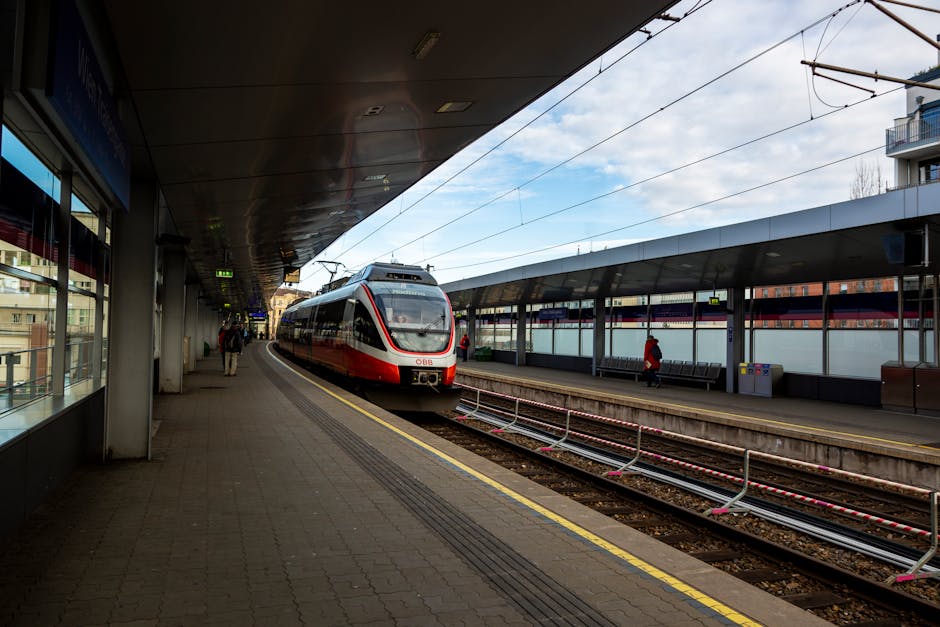
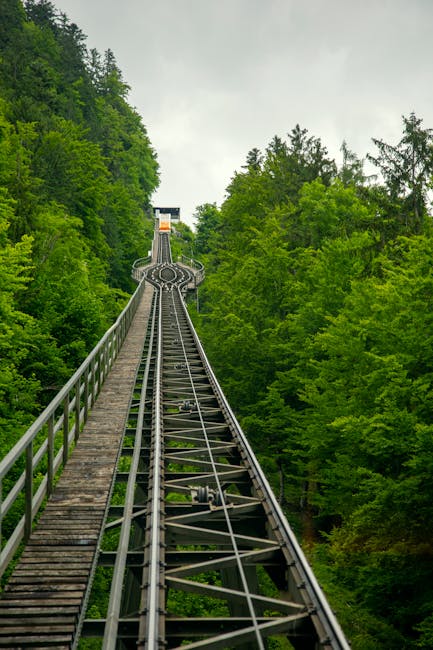
Address: Bahnhof Alpnachstad, Bahnhofstrasse, 6055 Alpnachstad, Switzerland. Alpnachstad is the lower station of the famous Pilatusbahn — the steepest cogwheel railway in the world (mountain section). It’s the traditional departure point for the ascent to Pilatus Kulm by rail (summer season).
Hours: trains and lift combinations vary by season; the Pilatusbahn typically operates from May to November with regular departures between 08:30 and 17:00. Check pilatus.ch for exact timetables and maintenance periods.
Indicative prices: Pilatusbahn ascent (round-trip) about €60–€80 depending on options (ascent + boat descent or other combinations). Combined tickets and Swiss Travel Pass discounts may sometimes apply.
Immersive description: Alpnachstad has a mountain charm: modest platforms, alpine souvenir shops and an immediate view of the rack railway winding upward. Boarding is outdoors, often amid an excited, noisy crowd.
Local tips: for the best weather and visibility, take the first ride in the morning or a late afternoon ascent. In high season, book tickets in advance online. Bring warm clothes even in summer: summit temperatures can be much cooler than in town.
Conclusion — Master the network to make the most of Lucerne
Lucerne’s network is a model of interconnection: from the main station (Luzern Hauptbahnhof) everything links together — boats, trams, buses and regional trains. In ten key stations we’ve covered the strategic points that let visitors move efficiently between culture (KKL, Verkehrshaus), history (Kapellbrücke), nature (Pilatus, Rigi), events (Allmend/Messe) and residential neighbourhoods (Horw, Emmenbrücke). Knowing these hubs helps reduce wasted time, optimise day-trip plans and avoid queues by buying tickets in advance for seasonal attractions.
A few practical recommendations to get the most out of the network: prioritise the SBB Mobile app for real-time schedules and ticket purchases; consider a Swiss Travel Pass if you plan multiple intercity journeys and cruises; aim for early departures to alpine destinations (Pilatus, Rigi) to avoid crowds; and keep a small amount of CHF handy for places that don’t accept cards outside tourist areas.
As a cost reference, an average urban trip is useful to know: a single tram/bus ride typically runs around €2.50–€3.50, while tourist excursions (cruises, mountain lifts) vary widely (between €12 and €80 depending on length and combinations). These figures are indicative and subject to change. Always check official sites (sbb.ch, pilatus.ch, verkehrshaus.ch, kkl-luzern.ch) for the latest information and combined offers.
By following this guide and noting these ten stations, you’ll build a solid mental map of Lucerne’s network: where to start, where to change mode, and how to save time. Whether you’re visiting for a culture-packed weekend, an alpine hike or a lake cruise, Lucerne welcomes you with clear infrastructure and connections designed to make your stay smooth and memorable.