





Introduction: Traveling in Lucerne by Season — a Complete Overview
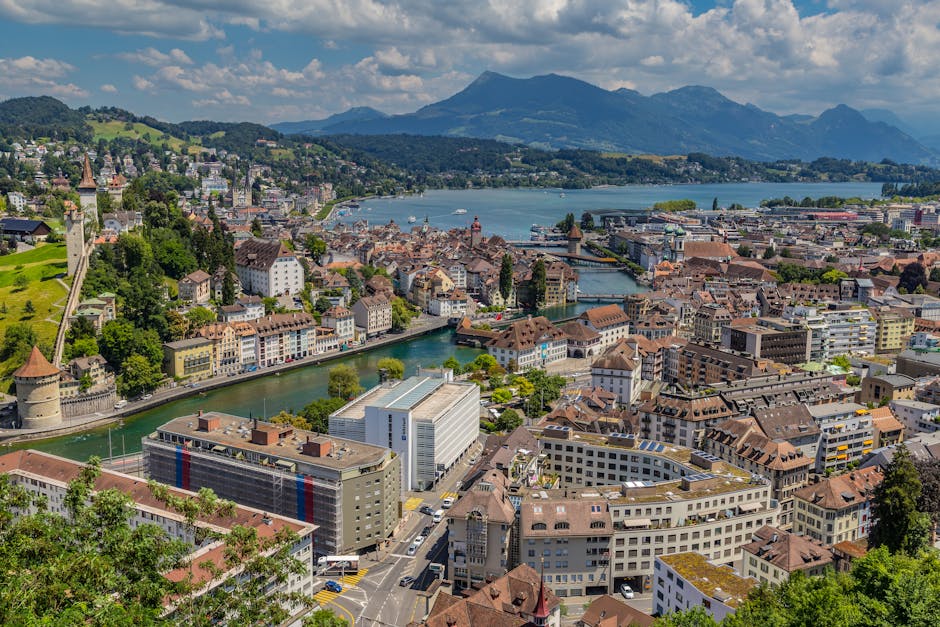
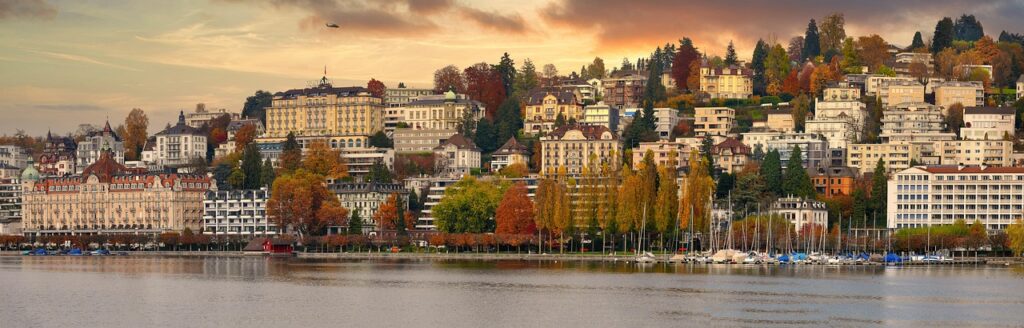
Lucerne (Luzern), tucked in the heart of central Switzerland, is one of the most accessible alpine cities in Europe. It offers a dense, varied transport network that shifts dramatically with the seasons. Whether you’re planning a summer stay to enjoy Lake Lucerne (Vierwaldstättersee) or a winter getaway to explore nearby mountain resorts like Pilatus and Rigi, knowing your local transport options, timetables, prices and addresses is key to making the most of your time and budget.
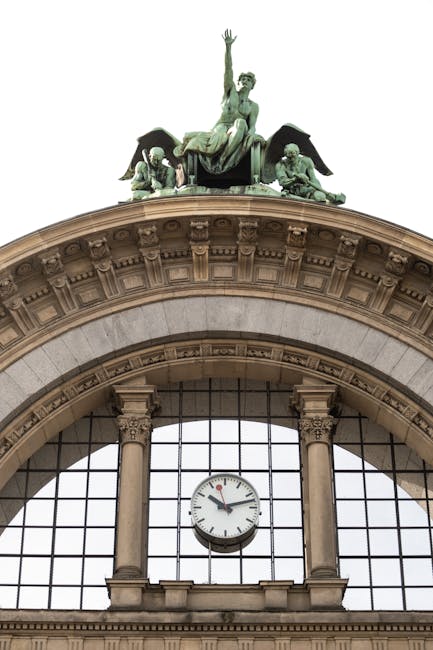
This seasonal guide focuses on urban and regional transport from central Lucerne: the main railway station Bahnhof Luzern (Bahnhofplatz 1, 6003 Luzern), the boat piers at Bahnhofquai, the city and PostBus terminals (the yellow buses), and the tourist links to Pilatus, Rigi and the nearby ski and hiking areas. We list prices in euros to help with planning (all amounts are shown in € and may vary slightly with exchange rates and season), typical schedules, seasonal services (summer cruises, rack railways that run in both summer and winter, extra bus lines) and practical tips to save time and avoid queues.
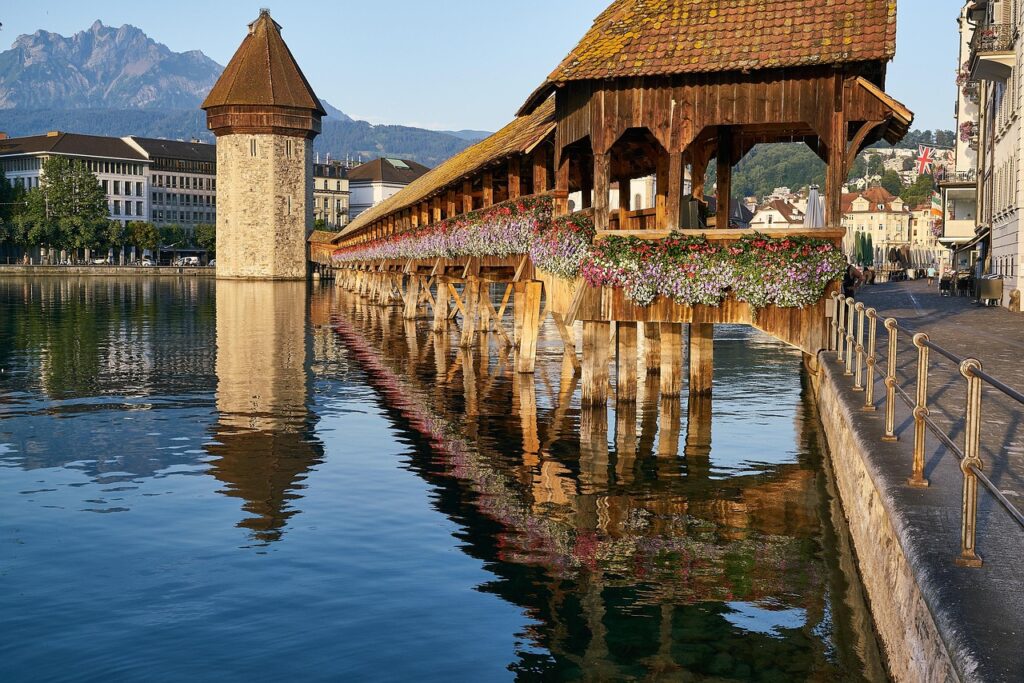
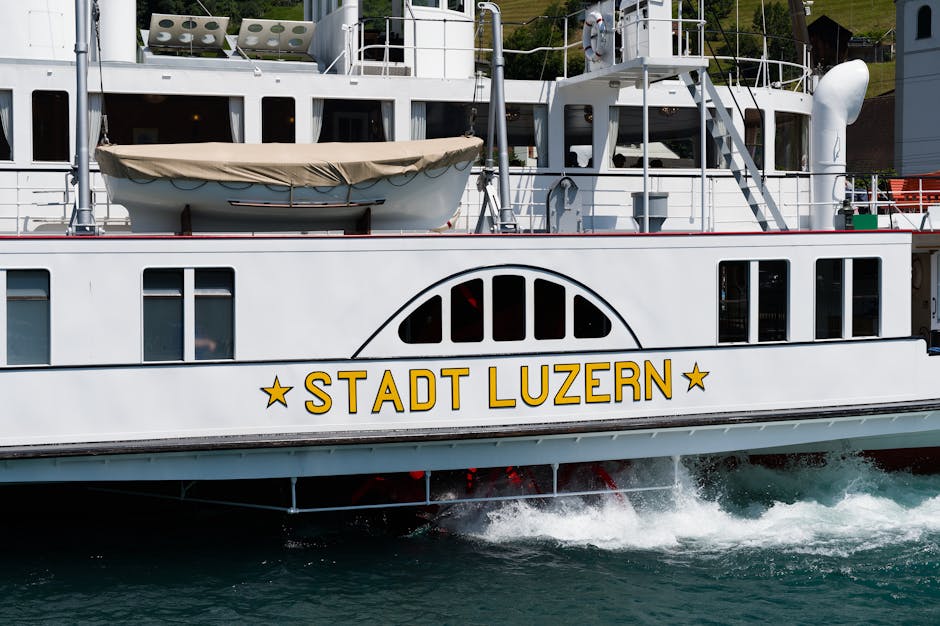
In summer, Lucerne becomes a hub for water activities and scenic day trips: excursion boats leave frequently from the central quay, combined « Golden Round Trip » tickets link boat, rack railway and cable car, and sightseeing buses fill out the offerings. In winter, the focus shifts to rail services and shuttles to mountain resorts which stay accessible despite the snow; some boats reduce frequency, so double-check timetables and trail availability if you plan outdoor activities.
Below you’ll find sections for summer and winter covering: 1) urban and regional transport from the station, 2) seasonal boat links and cruises, 3) access to the summits (Pilatus, Rigi) and 4) practical tips, ticketing and detailed fares, addresses and schedules. Each section offers hands-on, immersive information and local recommendations — for example, when to buy tickets in advance, how to combine transport with activities (hiking, skiing, cultural visits), and the best times of day to avoid crowds. Exact addresses and typical departure times will help you plan transfers and excursions without surprises.
Urban and Regional Transport Year-Round — stations, buses and trams
The central hub for all your travel in Lucerne is the main station, Bahnhof Luzern (Bahnhofplatz 1, 6003 Luzern). The SBB Travel Centre (Swiss Federal Railways service desk) is located inside the station: typical opening hours are 06:00–20:00 on weekdays and 07:00–18:00 on weekends. Ticket office address: SBB Travel Centre, Bahnhofplatz 1, 6003 Luzern. For in-person help call +41 800 000 000 (SBB) or visit the desk directly.
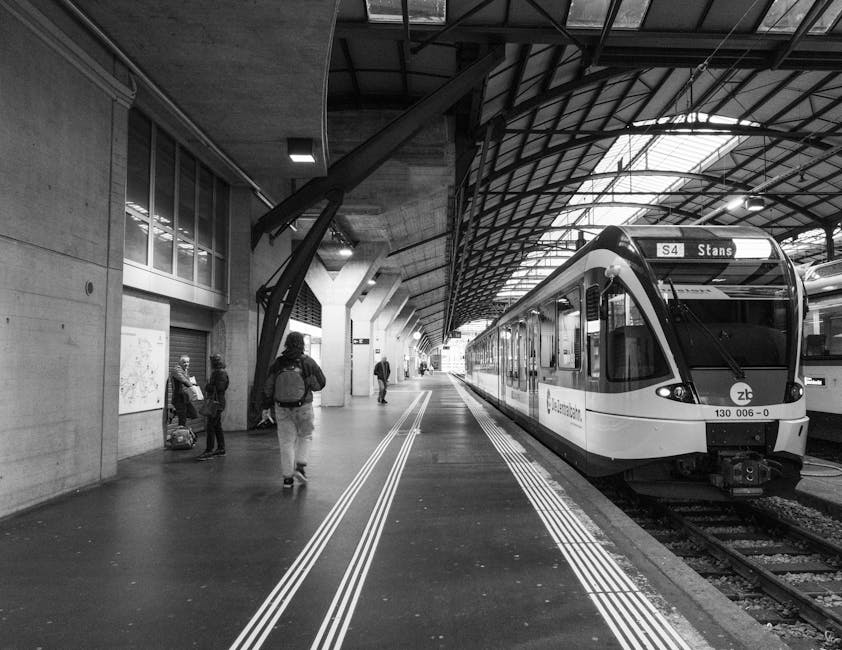
Regional and national trains: SBB trains connect Lucerne with Zurich, Interlaken, Bern and Geneva. Example journeys:
- Lucerne → Zurich HB (duration ~45 min): frequent services, about €25 per person in 2nd class (standard ticket, indicative fare).
- Lucerne → Interlaken Ost (via Brünig): 1h40–2h, around €35.
Schedules vary: intercity trains run every 30–60 minutes during the day. Check real-time timetables on SBB.ch or the SBB Mobile app.
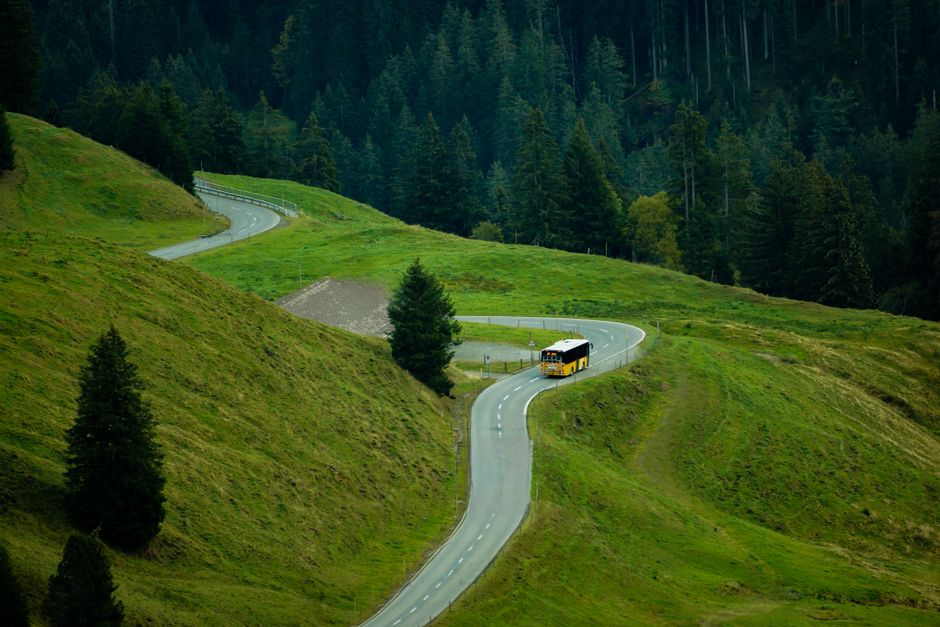
City buses and PostBus: The Verkehrsbetriebe Luzern (VBL) network serves the city with frequent routes. Main stop: Bahnhofplatz / Bahnhof Luzern. Typical single urban ticket: €2.50 (central zone, valid 1 hour). PostBus lines (yellow buses) serve nearby villages and valleys — for example Lucerne → Emmenbrücke, Lucerne → Kriens. PostBus departures run every 15–60 minutes depending on the line. Regional PostBus address: PostAuto Schweiz AG, Bahnhofplatz 3, 6003 Luzern.
Local tips: buy a day pass if you plan several trips within the city (VBL Day Pass ~€7–10 depending on zones). Swiss public transport is punctual: allow a 10–15 minute buffer for connections, especially when transferring to a boat or a rack railway, since those connections can sometimes be as short as twenty minutes.
Summer in Lucerne — boats, cruises and alpine excursions
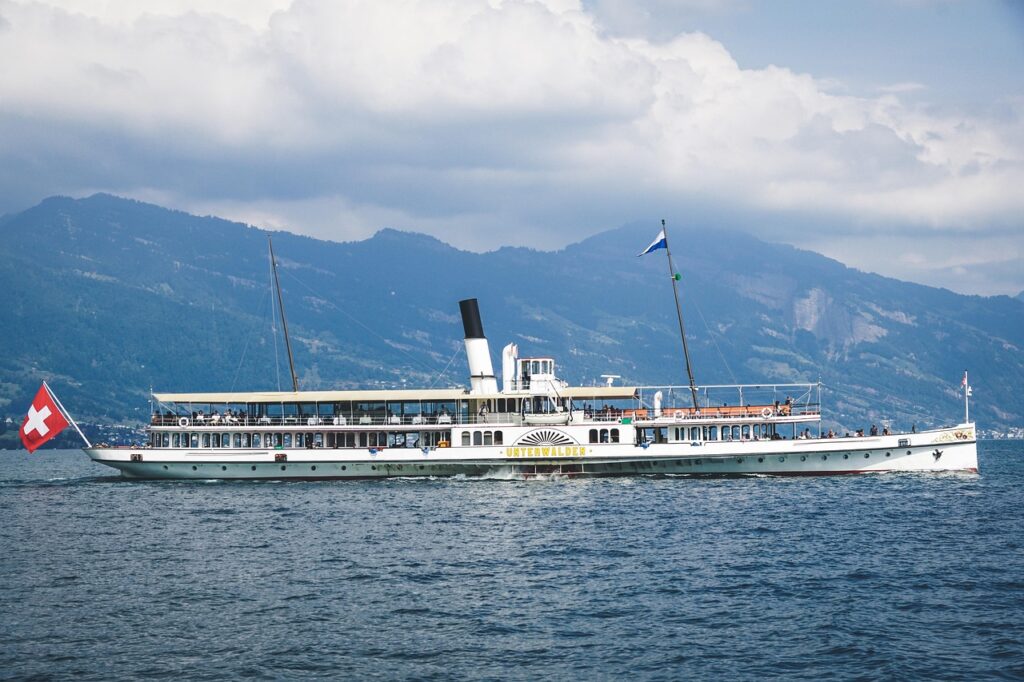
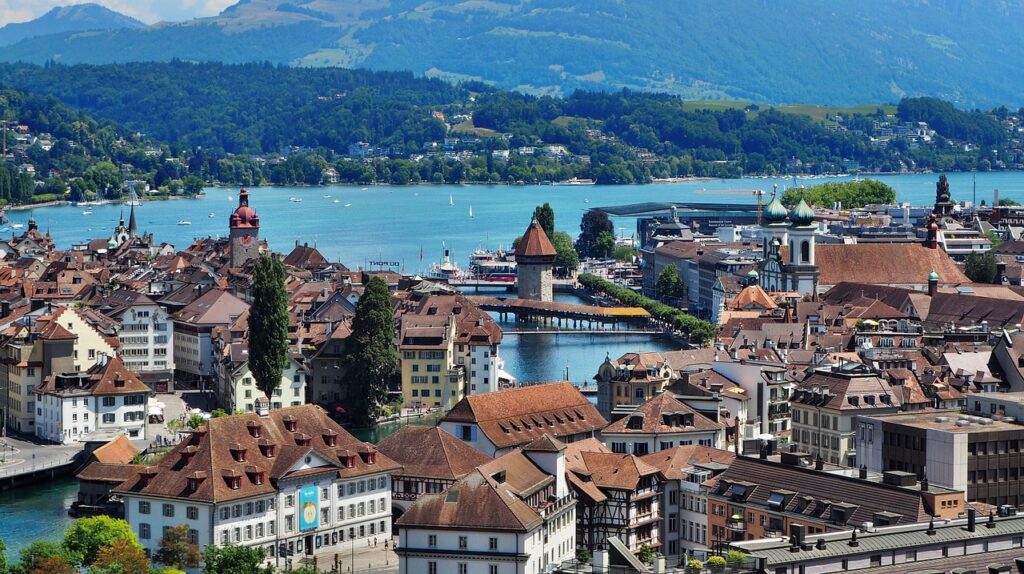
Summer turns Lucerne’s central quay into a dance of steamers and yachts. The main operator is the Schifffahrtsgesellschaft des Vierwaldstättersees (SGV), with piers at Bahnhofquai, 6003 Luzern. The SGV ticket office at the quay typically opens 08:00–18:30 in high season (May–September). Typical fares: single lake trips from €12 (short hop), panoramic cruises of 1–3 hours between €20 and €45, and the famous « Golden Round Trip » (boat + Pilatus + rack railway/cable car) costing roughly €68–80 depending on route and class.
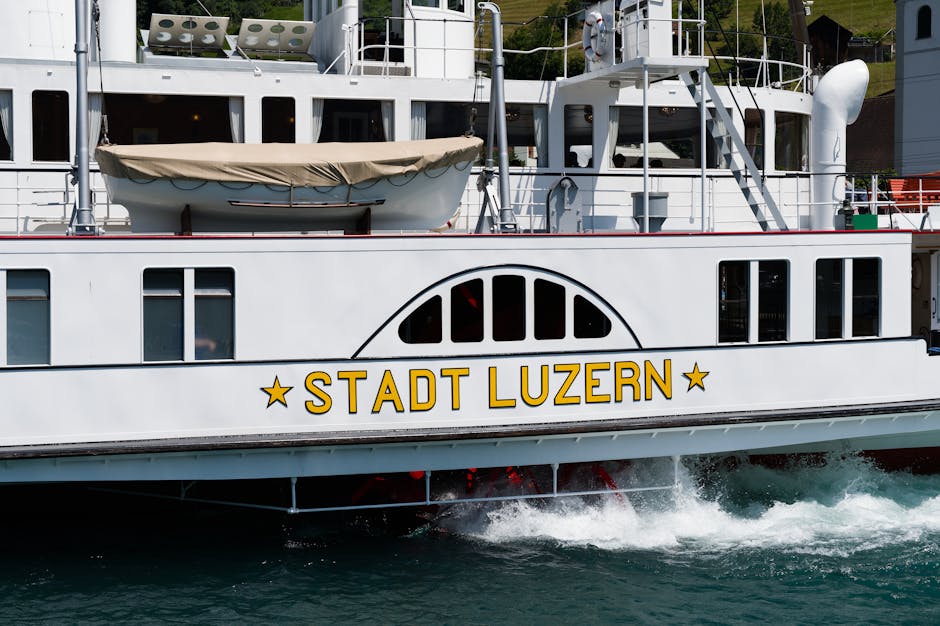
Summer timetables: boats sail frequently between 09:00 and 18:00, with earlier departures for longer trips (e.g. 08:30). Shuttles to Alpnachstad for Pilatus and to Weggis/Rigi increase in July–August. Popular itinerary example:
- Depart Lucerne (Bahnhofquai) 09:00 → arrive Alpnachstad 09:45 → Pilatusbahn cogwheel train at 10:15 → summit Pilatus Kulm around 11:00. Return via cable car and bus to Kriens then back to Lucerne is possible.
Sample summer prices:
- Boat Lucerne → Vitznau (approx. 1h): ~€18.
- Average 2-hour cruise: €30–40.
- Golden Round Trip (value estimate): €68–80 (combined ticket, recommended to buy online via SGV or at the ticket office).
Remember the Swiss Travel Pass: if you have one, many boat trips and regional trains are included or discounted.
Summer tips:
- Arrive 20–30 minutes before departure to grab the best spot on the upper deck (best views for photos).
- Book Golden Round Trip tickets in advance for August weekends and public holidays.
- Bring a light layer — wind on the lake can feel chilly even in August.
Winter in Lucerne — mountain access and winter services
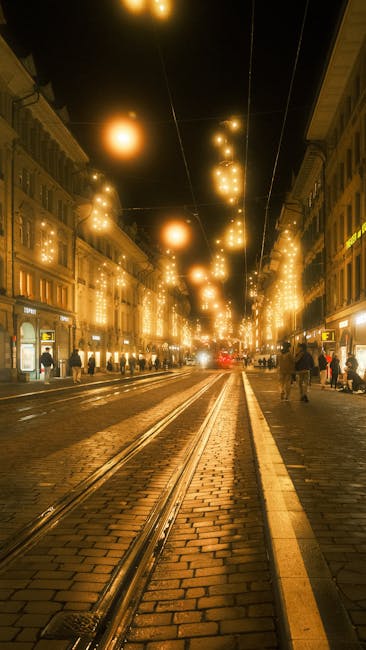
Winter changes the logistics: some boat lines reduce frequency (typically November–March), but trains and buses remain highly reliable. Key links are:
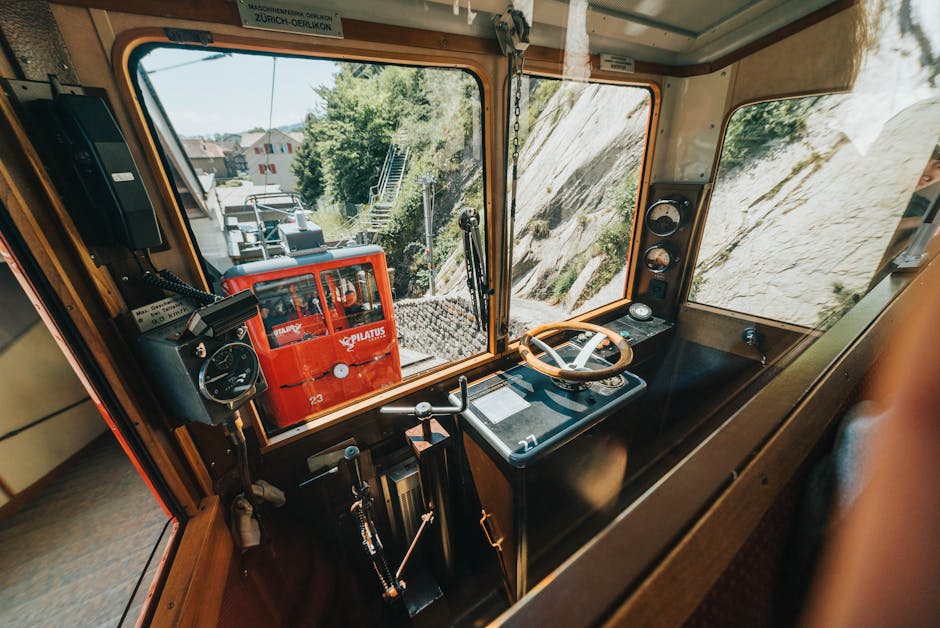
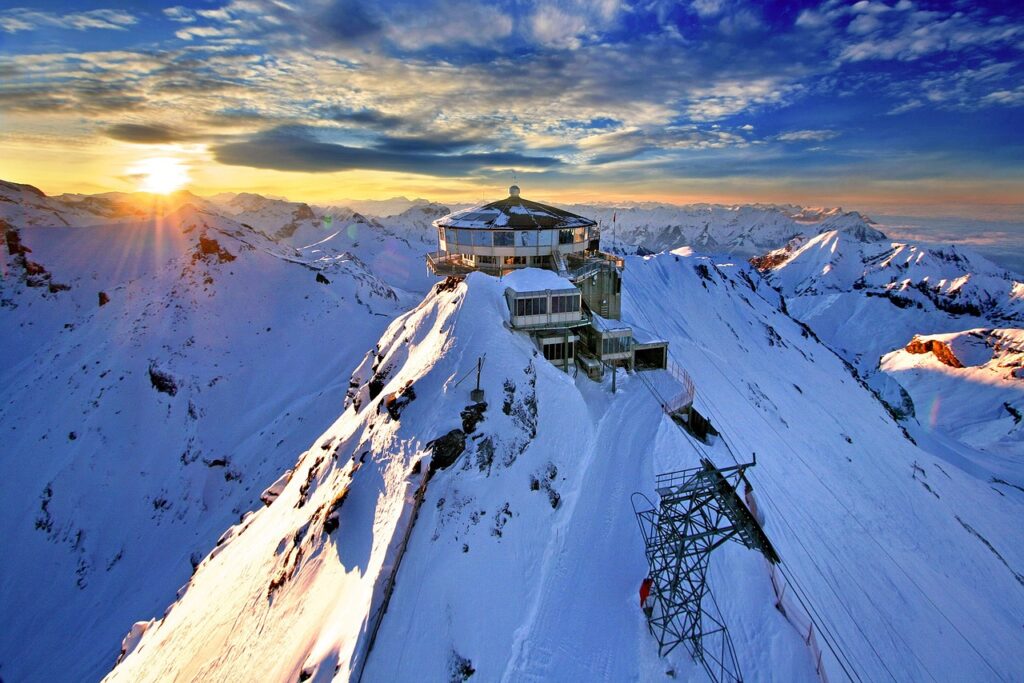
- Pilatus: access from Lucerne by boat to Alpnachstad, Bahnhofstrasse 1, 6055 Alpnachstad, then the Pilatusbahn (often billed as the world’s steepest rack railway, depending on season). In winter, ascents may be restricted due to weather — check pilatus.ch. Indicative Pilatus fare (return boat + railway): €60–75 in low season, €80–95 in high season.
- Rigi: departures possible from Lucerne (via Vitznau or Weggis); ascend by rack railway from Vitznau (Rigi Bahn) or by cable car from Weggis. Rigi Vitznau station address: Rigi Bahn AG, Vitznau Station, 6354 Vitznau. Indicative Rigi round-trip fare: €40–55.
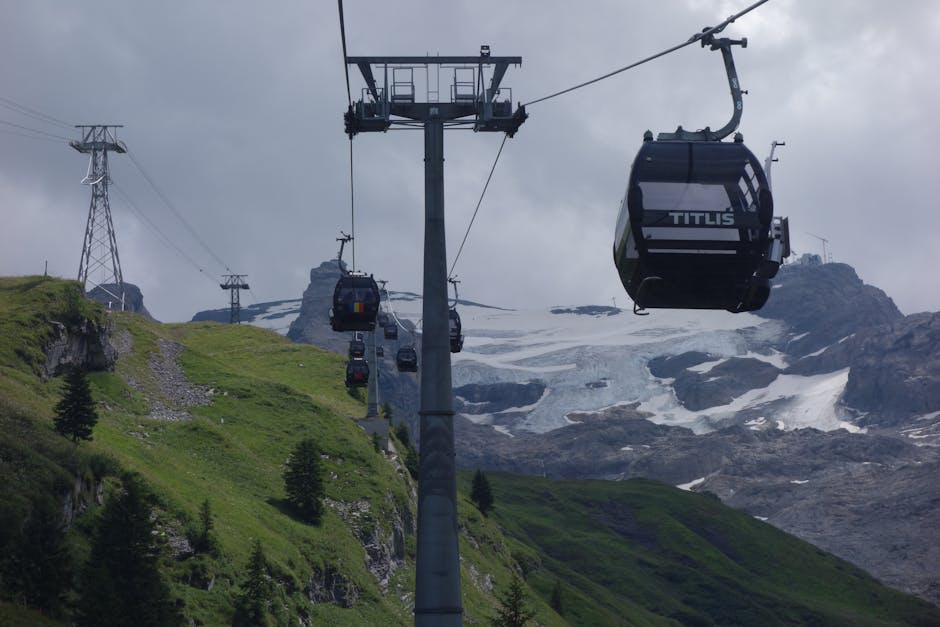
Transfers to ski areas and resorts: several private shuttles and PostBus services connect to Engelberg (for Titlis), Stoos and the Andermatt region. Example: Lucerne → Engelberg (train via SBB/Zentralbahn): about 45 min, fare ~€20–30. Titlis Rotair (cable car from Engelberg): €45–60 return (season-dependent).
Winter schedules and tips:
- Trains to Engelberg and Interlaken run early in the morning (first departures ~05:30–06:00); check SBB timetables for connections with mountain lifts.
- In heavy snowfall, monitor alerts from SBB, Pilatus and Rigi; some funiculars may close temporarily.
- Wear slip-resistant footwear and, if driving, fit winter tyres or carry chains depending on your route.
Tickets, fares, practical tips and year-round advice
Tickets and passes: For a short stay, compare options:
- Single city ticket (bus/tram): ~€2.50.
- VBL Day Pass (central zones): €7–10.
- Swiss Travel Pass (1–15 days): unlimited travel on SBB/SGV networks and discounts on funiculars and cable cars (price varies by duration; check official station sites before buying).
- Combined « Golden Round Trip » tickets: €68–95 depending on season and route.
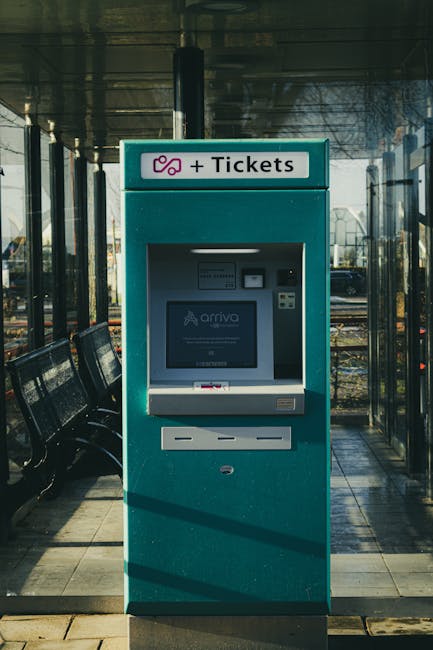
Buying tips: purchase SBB and SGV tickets online (SBB Mobile, SGV.ch) or at the SBB ticket office (Bahnhof Luzern, Bahnhofplatz 1). Ticket machines accept international bank cards; some outlets may not accept foreign cash.
Rush hours and connections: mornings 07:00–09:00 and late afternoons 16:30–18:30 are local peak times. In summer, boat piers are busiest between 10:00 and 15:00 — aim for early morning or late afternoon departures for a calmer experience and better photos without the crowds.
Essential local tips:
- Always allow 10–15 minutes for connections between boat and train; some tourist routes have very tight transfer windows.
- If travelling with large luggage, use the station lockers (Luggage Storage, Bahnhof Luzern): roughly €6–8 per bag/day.
- For mountain outings, check elevation and weather on meteoswiss.ch before you set off; even in summer the summit can be cold and windy.
Conclusion — plan ahead to enjoy Lucerne year-round
Lucerne offers a range of public and tourist transport options tailored to discerning travelers. In summer, prioritize boats and combined packages to make the most of the lake and alpine panoramas; in winter, focus on regional trains, shuttles and cable cars that keep the summits accessible despite snow. The key to a great trip is planning: check SBB timetables, the SGV ticket office at Bahnhofquai (Bahnhofquai, 6003 Luzern), and the official lift websites (Pilatus, Rigi, Titlis) before you go.
Practical summary:
- Main starting point: Bahnhof Luzern, Bahnhofplatz 1, 6003 Luzern.
- Buy tickets in advance for popular excursions (Pilatus, Rigi, Golden Round Trip).
- Have alternatives ready in winter in case lifts close temporarily.
- Use day passes or the Swiss Travel Pass depending on trip length and number of excursions.
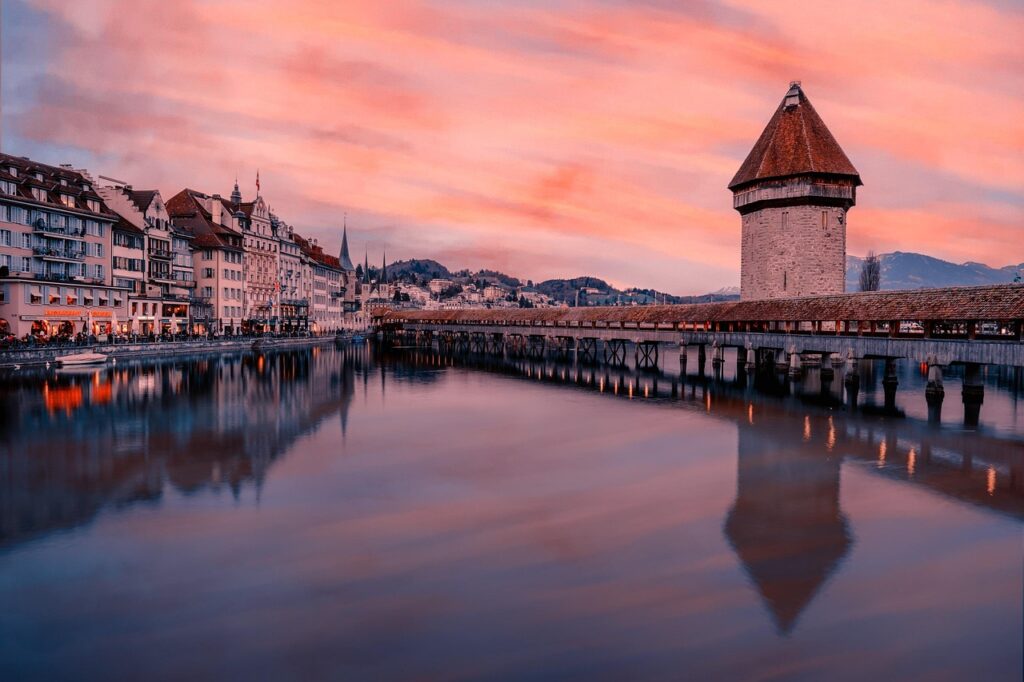
Finally, adopt the local rhythm: breakfast early, a lakeside stroll before the crowds, and dinner reservations in the evening during high season. Lucerne’s transport system is remarkably efficient and, with season-aware planning, every journey becomes part of the experience — whether that’s a steamer crossing the lake, a rack railway ride to a snowy summit, or a short bus trip to a picturesque hamlet. Safe travels and enjoy the magic of Lucerne, summer or winter.