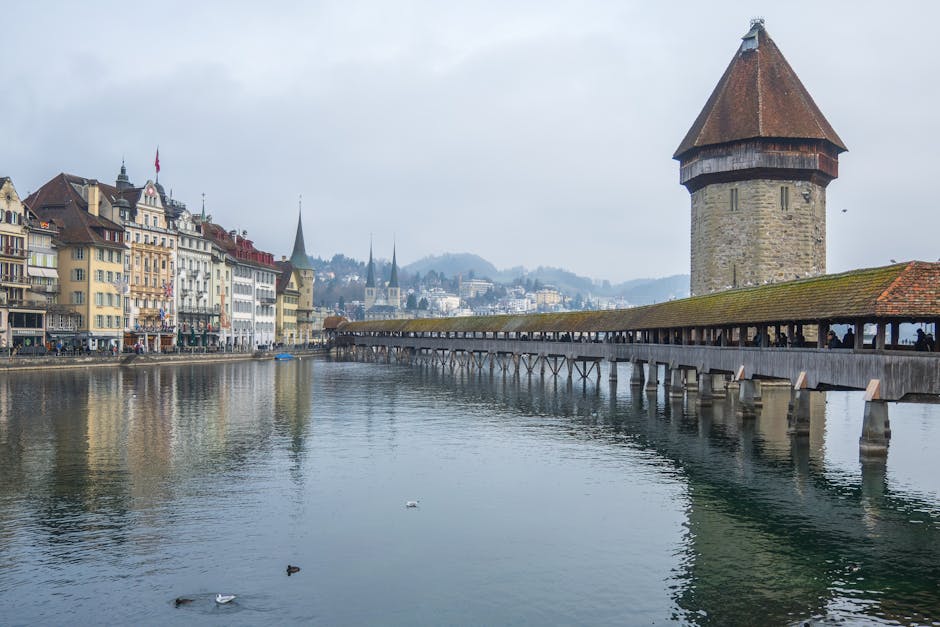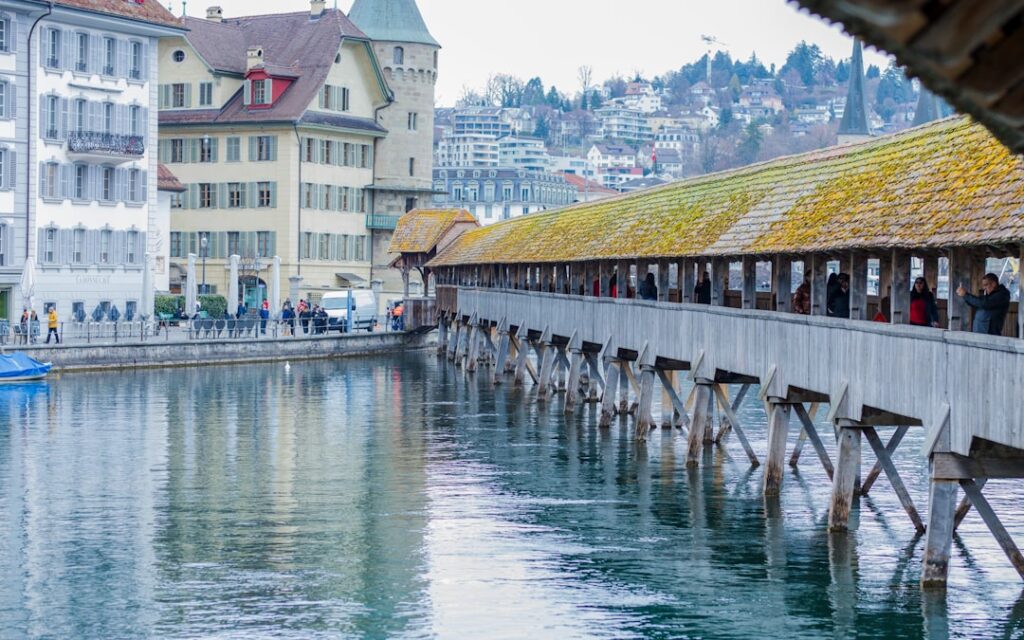






Introduction — Secret Strolls Along the Reuss in Lucerne
The Reuss cuts through Lucerne like a liquid backbone, tying together medieval history, lively neighborhoods and unexpected nooks best explored on foot. While the Kapellbrücke (Chapel Bridge) and the Museggmauer (Musegg Wall) grab the headlines, there’s a whole network of lesser-known walks, tucked boat landings, green footbridges and narrow quays where you can experience the city differently. This guide points you toward secret walks along the Reuss, designed for curious travelers, photographers hunting a unique frame, and locals looking for a peaceful afternoon away from tourist crowds.
Along these routes you’ll find precise locations with full addresses, handy opening hours, prices shown in euros (€) and local tips: when to come, the best time of day for the light, what shoes to wear on wet cobbles and how to combine a coffee break or a cultural stop with your stroll. The approach is pragmatic and immersive: each section describes the atmosphere, textures (water, wood, stone), soundmarks (lapping water, bells, conversations in Swiss German) and ways to avoid crowds.
Lucerne is compact – these walks can easily be put together into a half-day or a full-day outing. Whether you’re sitting by the Reuss watching ducks glide across golden reflections at dawn, or hunting down hidden streams and hanging gardens, you’ll leave with a mental map of authentic corners. Descriptions include water points, little squares, secondary bridges, low-profile café terraces and pedestrian accesses that turn a simple walk into a sensory exploration.
This guide also includes practical info: exact addresses (streets and postcodes), opening hours for mentioned sites, entrance fees in euros for nearby museums and attractions, plus safety tips, the best season for walking and options to use public transport if needed. The walks suit families, solo travelers and couples alike. Pack comfortable walking shoes, a camera and your curiosity: the Reuss has surprises around every bend.
1) From Chapel Bridge to the East Bank Promenade: a classic with a twist
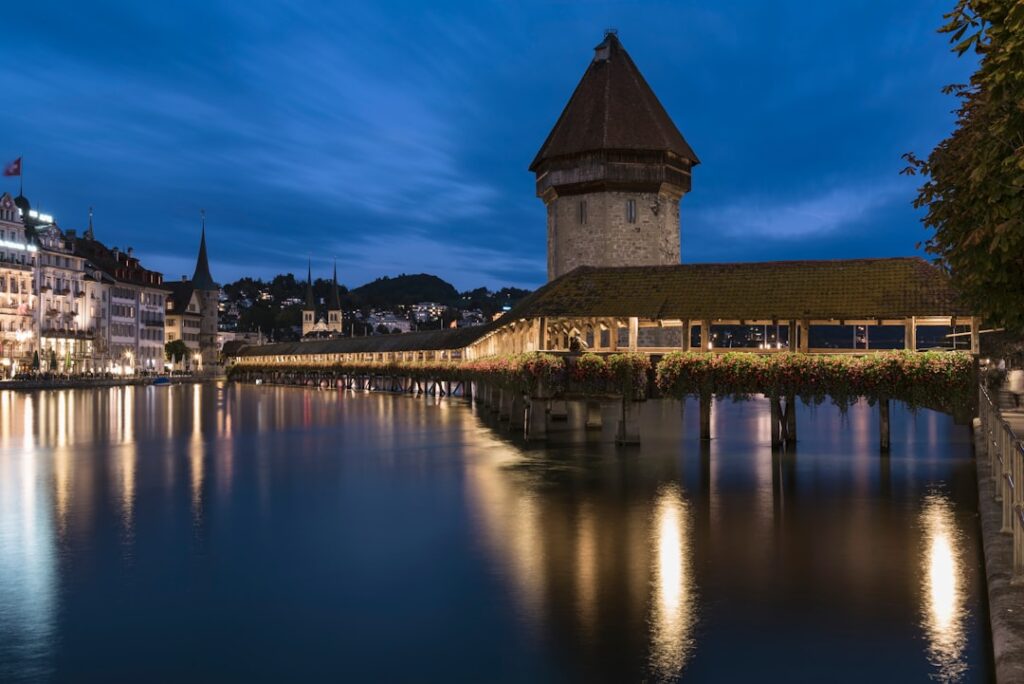
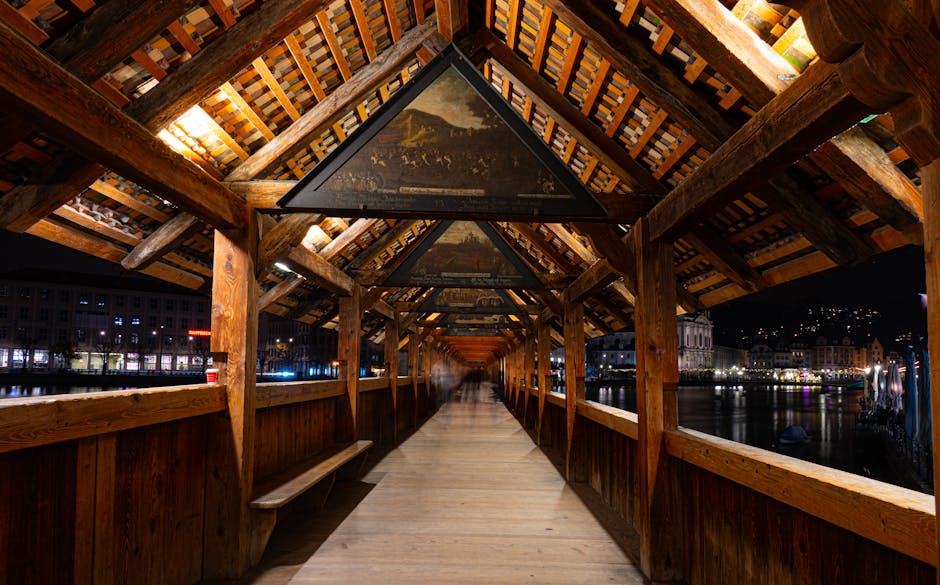
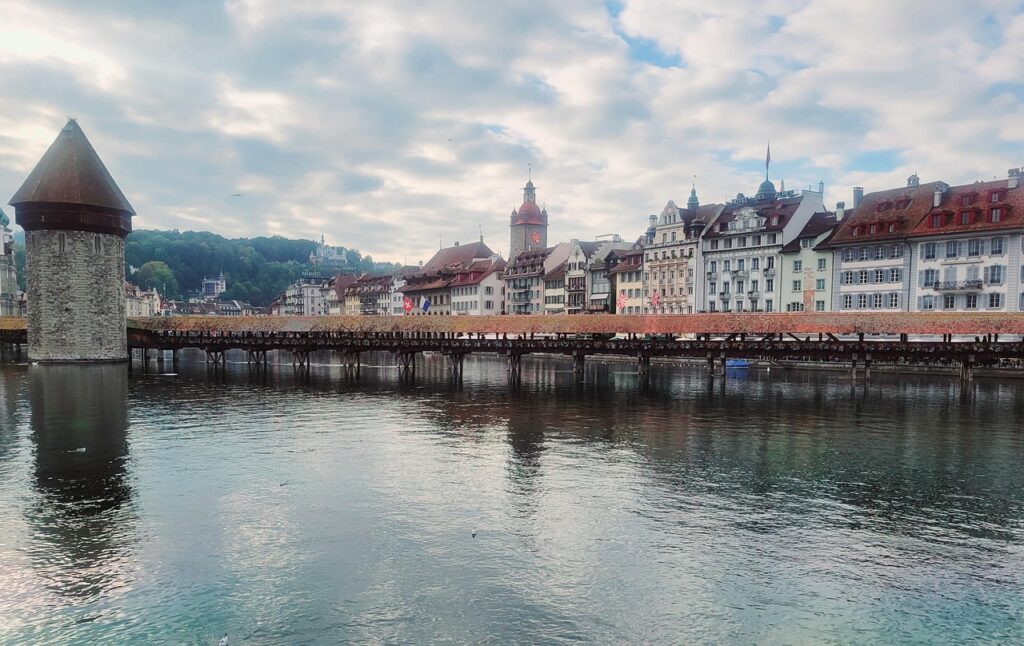
Start at the Chapel Bridge (Kapellbrücke), Kapellbrücke, 6002 Luzern. This painted, covered medieval wooden bridge is iconic and serves as the gateway to a quieter walk along the east bank. Hours: open 24/7, self-guided visits; price: free. At dawn the light plays across the interior paintings and nearby plane trees, but for a less touristy experience aim for 8:00–10:00 on weekdays.
From Kapellbrücke, follow Reusssteg and then the Kutschergasse promenade toward the docklands and the small harbor. This stretch is lined with independent cafés and art galleries. Stop at the Café de Ville (Mühlenplatz 1, 6004 Luzern) for coffee and a pastry — a convenient spot 150 m from the bridge; hours: 08:00–18:00; coffee: around €3.50; pastries: €4–6.
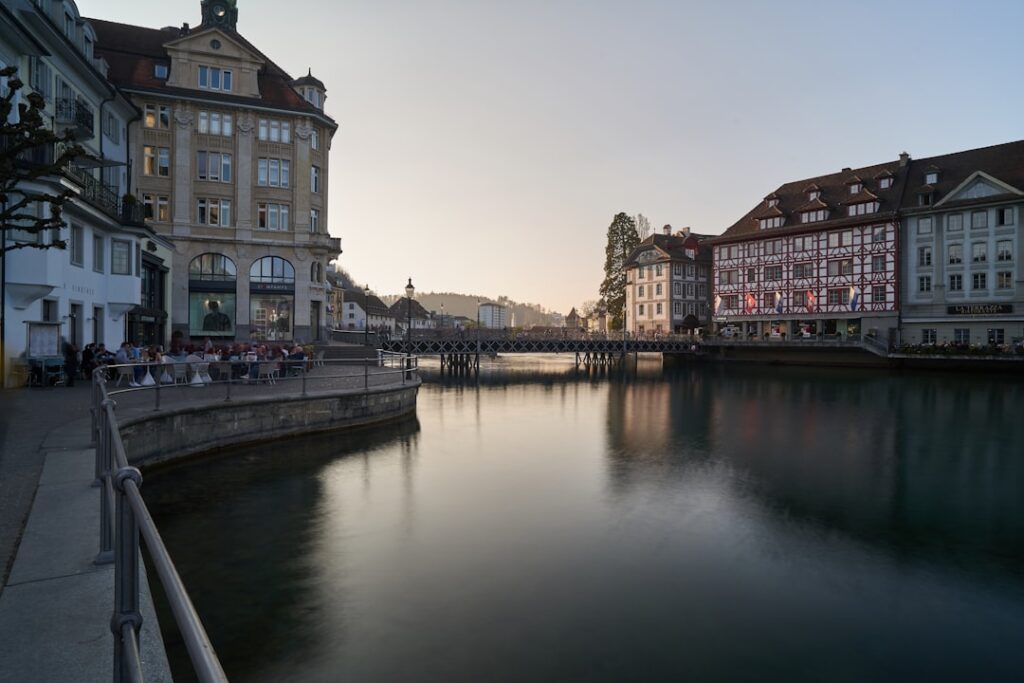
Continue to the riverside pedestrian walkway that leads into quiet lanes revealing colorful façades and little inner courtyards. Local tip: take the wooden stairs marked “Ufertreppe” down to the water — they’re often damp but offer perfect viewpoints to photograph reflections of historic buildings and small boats.
If you want to extend the loop, finish at the Swiss Museum of Transport (Verkehrshaus der Schweiz), Lidostrasse 5, 6006 Luzern. It’s a 20–25 minute walk along the bank from the promenade or a 10-minute bus ride. Hours: 10:00–17:00 (check seasonally). Price: about €25 for adult admission. A full visit can be paired with a short cruise on the Reuss for a reverse-angle view of the city.
2) The Hidden Bridges Route: Spreuerbrücke, footbridges and riverside gardens
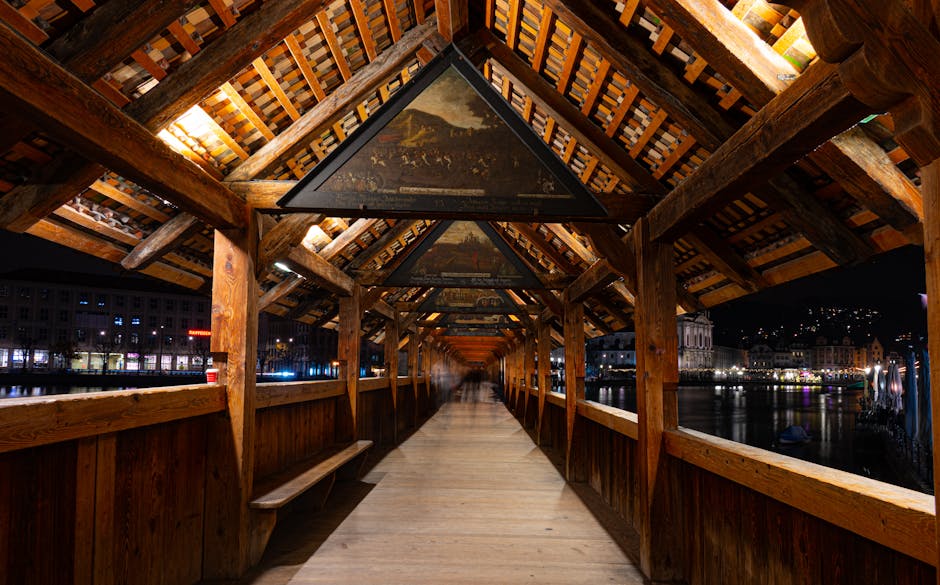
The Reuss is dotted with less-frequented bridges: Spreuerbrücke (Spreuerbrücke, 6002 Luzern) and several pedestrian footbridges that offer intimate water-level views. Spreuerbrücke is a medieval bridge featuring Dance of Death paintings inside — free access; central address, open 24/7; price: free. The real secret is continuing on from there into the small riverside gardens often frequented by local painters and musicians.
From Spreuerbrücke head toward Ufschötti Park, Ufschötti, 6005 Luzern, a riverside green where joggers mingle with families and picnic lovers. Ufschötti is open access; price: free; hours: open 24/7 (in summer it’s busiest on weekends between 11:00 and 19:00). Its terraced lawn slopes gently to the Reuss and offers vantage points to watch fly-fishermen and groups of ducks.
Further along, explore the wooded footbridges that wind between private gardens and small marinas. These paths are sometimes signed as “private footpath” but remain accessible — please respect residents’ privacy. Tip: late afternoon (16:00–19:00) is the best time for these footbridges, when light grazes the façades and the city slows down.
3) The North Quays: artist studios, small galleries and low-key cafés
On the north bank of the Reuss, past the historic quarter, you’ll find artist studios, small galleries and cafés with a bohemian vibe. Start at Hertensteinstrasse (Hertensteinstrasse 12, 6004 Luzern), home to the Glacier Garden (Gletschergarten Luzern) — Hertensteinstrasse 12, 6004 Luzern. Hours: 10:00–17:00; price: about €11 for adult admission. The Glacier Garden is a draw if you enjoy geological formations and ancient water mirrors, then follow the bank west to discover narrow streets of studios.
Walking along the north bank you’ll come across galleries such as Galerie St. Karli (St. Karliquai 3, 6004 Luzern) — check temporary exhibitions; opening hours vary, often 11:00–18:00, entry usually free or €5 for special events. These spaces showcase contemporary painting, photography and textile art. The vibe here is more local: staff often speak Swiss German, but visitors are warmly welcomed.
For a tasty break, drop into Café am See (Seepromenade 7, 6006 Luzern) — a terrace on the Reuss with sandwiches, tarts and drinks. Hours: 09:00–19:00; prices: drinks €4–6, light dishes €8–15. Practical tip: try a local specialty like the cream tart (“Rahmtäschli”) with a pot of tea to enjoy the calm of the north quay.
4) Twilight Route: reflections, lights and hidden bars along the Reuss
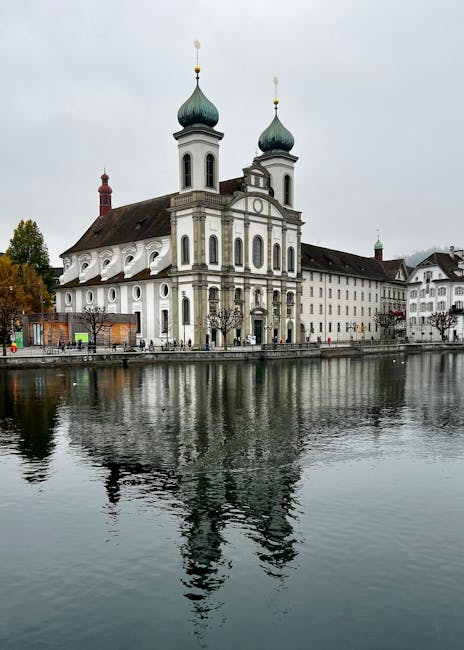
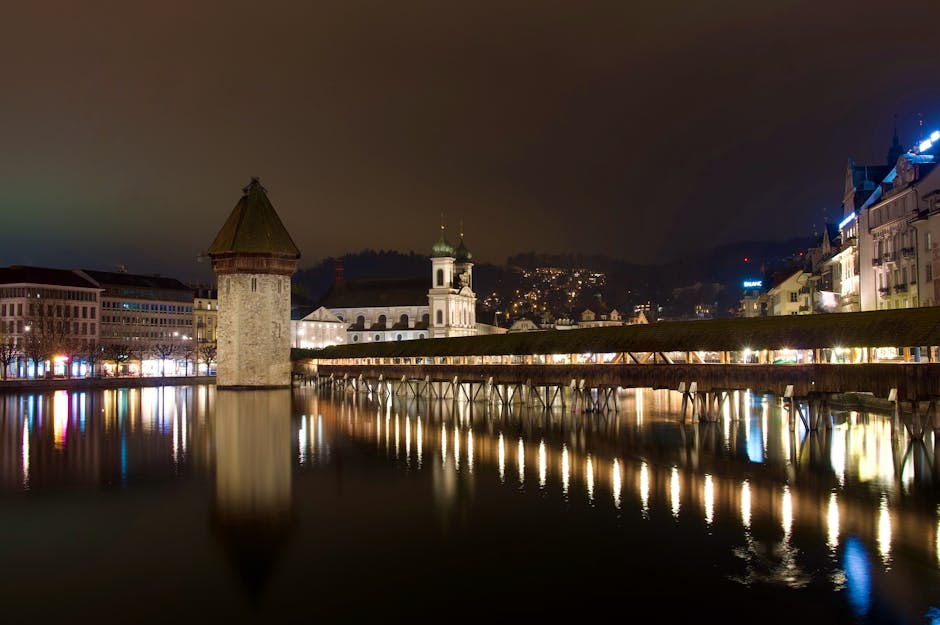
An evening stroll turns the Reuss into a play of shadows and lights. Start near the Jesuit Church (Jesuitenkirche), Jesuitenplatz, Bahnhofstrasse 4, 6003 Luzern. The baroque church, often less visited than the city’s external landmarks, is photogenic at sunset; hours: 09:00–17:00 (subject to services), suggested donation: €2–5. From there, follow the river west, watching the street lamps shimmer on the water.
Along this route, scout out hidden bars and small terraces: Pfistern (Frankenstrasse 4, 6002 Luzern) offers a cocktail and snack menu; hours: 17:00–01:00; cocktails: €10–14. Another secret spot is the Bar am Quai (Quai 3, 6004 Luzern), down a narrow lane where locals gather at dusk. The vibe is relaxed and the views of the Reuss make a perfect end to the walk.
Safety tip: after dark, stick to well-lit quays and avoid unmarked paths. If you’re heading back late, check bus and train times: Lucerne station (Bahnhofplatz, 6003 Luzern) runs frequent services and is the easiest landmark for your return. If you fancy one last drink, many venues close between 23:00 and 01:00 depending on the season and the day of the week.
Conclusion — Why these walks will change how you see Lucerne
Walking along the Reuss in Lucerne, beyond the big icons, means accepting the pleasure of surprise: a forgotten façade, the splash of a boat at dawn, a café terrace that feels like a private moment. These secret routes balance visible heritage (Kapellbrücke, Spreuerbrücke, Jesuitenkirche), riverside green spaces (Ufschötti, the north quays) and intimate discoveries (footbridges, galleries, hidden bars). Each section offers not only practical coordinates but sensory cues that help you remember a place by scent, texture or a special quality of light.
Practice slow walking: stop, let your eyes follow the Reuss and notice details — engraved plaques, mooring rings, old shop signs. Respect the privacy of residents and privately visible spaces from the bank: discretion often opens the door to lovely conversations with local artisans and artists. To make the most of your visit, favor shoulder seasons (May–June, September–October) and quieter times of day (mornings before 10:00 or late afternoons after 16:00).
Finally, bring practical info: the exact addresses listed above, prices in euros shown as a guideline (local ticket offices generally accept Swiss francs, CHF) and check seasonal opening hours, especially for museums and cafés. These walks aren’t just routes: they’re an invitation to experience Lucerne differently, to slow down and observe. Come back more than once — the Reuss changes mood with the weather, the light and the seasons, and each stroll reveals another small, precious fragment of the city.