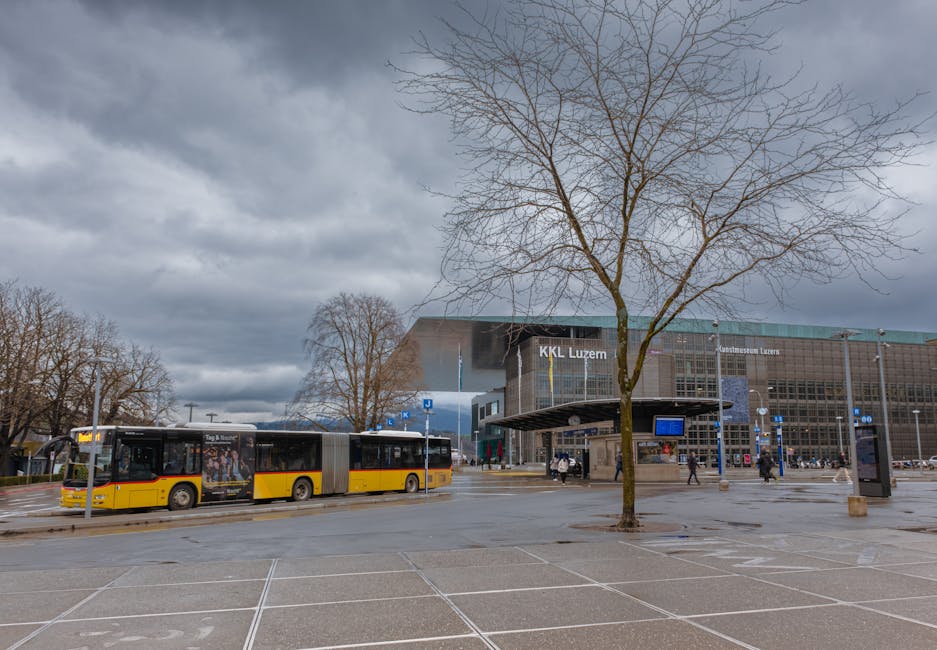






Introduction — Why Choose Public-Transport Routes in Lucerne
Lucerne (Luzern) is one of Switzerland’s most accessible and photogenic cities: wooden bridges, sweeping lakeside shores, mountains within easy reach and a dense public-transport network. Opting for train, boat, funicular or bus to explore the area is not just eco-friendly; it’s often the most efficient, economical and immersive way to see panoramas a private car can’t provide. The SBB (Schweizerische Bundesbahnen) and Zentralbahn networks, together with the boat companies on Lake Lucerne and historic mountain railways, enable spectacular route combinations without parking hassles or alpine driving stress.
In this practical, professional guide I’ll map out several must-do public-transport routes starting from Lucerne: city strolls combined with boat trips, ascents of Pilatus and Rigi using boat + cog/funicular links, and examples of longer day trips you can still do in a single day (Engelberg/Titlis, Interlaken). For each route you’ll find: exact addresses (start and end points), typical timetables, prices in euros (given as rough guidance since the local currency is Swiss francs), immersive descriptions to set expectations, and local tips (best times, which ticket to buy, weather alternatives).
Swiss public transport is famous for punctuality: connections between boat and train in Lucerne are designed to minimize waiting. Travelers looking to optimize costs can consider the Luzern Mobil Tageskarte (local day ticket) or, for several days and wider travel across Switzerland, the Swiss Travel Pass. Note that some mountain lifts (cogwheel railways, cable cars) have their own fares. I’ll list prices in euros to make comparisons easier, but be prepared to pay in Swiss francs sometimes if you don’t use a fee-free bank card.
Finally, this guide is aimed at all kinds of travelers: families with kids, casual hikers, slow-paced sightseers chasing views and photographers. The suggested routes are doable by public transport without a private vehicle and include seasonal variants (summer/winter). At the end, the conclusion summarizes practical tips and recommended gear to enjoy these routes with confidence.
Itinerary 1 — City Circuit and Lake Cruise (town + round-trip boat)
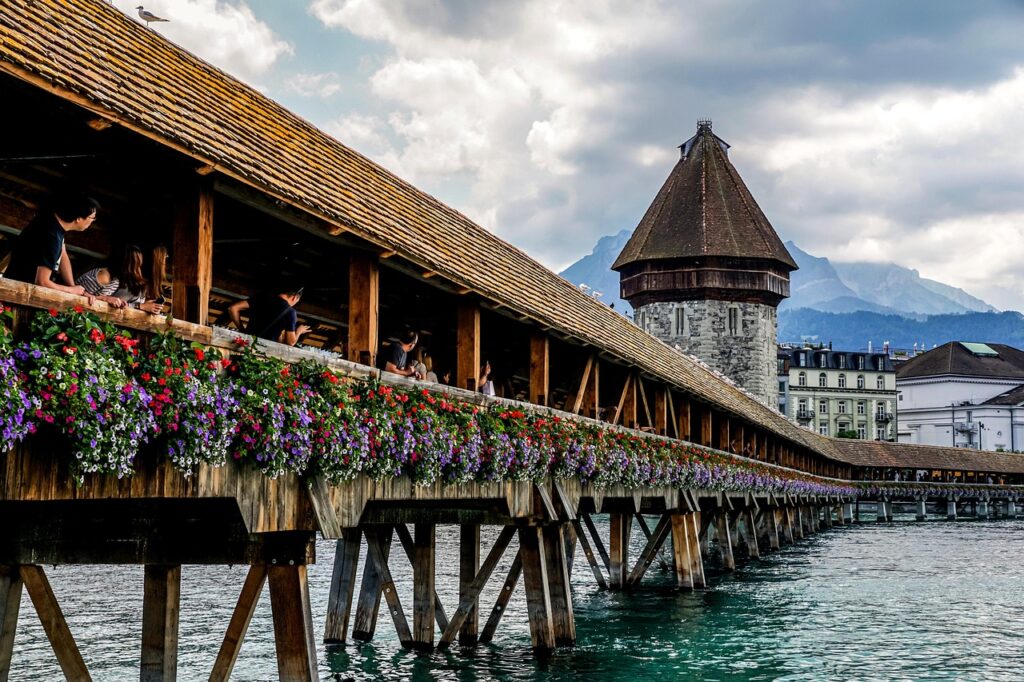
Overview: This route pairs a walk through Lucerne’s historic center with a scenic cruise on Lake Lucerne. Perfect for your first half-day, it lets you see the city’s highlights at an easy pace: the Kapellbrücke (Chapel Bridge), the Löwendenkmal (Lion Monument) and the Swiss Transport Museum. The main starting point is Lucerne central station (Luzern Bahnhof).
Starting point: Luzern Bahnhof
– Address: Bahnhofplatz, 6003 Luzern
– Station hours: open 24/7 (SBB ticket counters roughly 06:00–20:00)
– Local bus/tram tickets: single urban ticket about €2.60 (one-way), Luzern Mobil Tageskarte about €13 (day pass, adult).
Urban walk (1–1.5 hours):
– Kapellbrücke (Chapel Bridge) — Address: Kapellbrücke, 6002 Luzern. Medieval wooden bridge, open access 24/7. Look for the painted panels under the roof and the Water Tower (Wasserturm).
– Löwendenkmal (Lion Monument) — Address: Denkmalstrasse 4, 6002 Luzern. Walkable (10–15 minutes from the Chapel Bridge). Site is free; morning visits recommended to avoid the crowds.
Lake cruise (duration varies):
– Main pier: Bahnhofquai, 6003 Luzern (in front of the station).
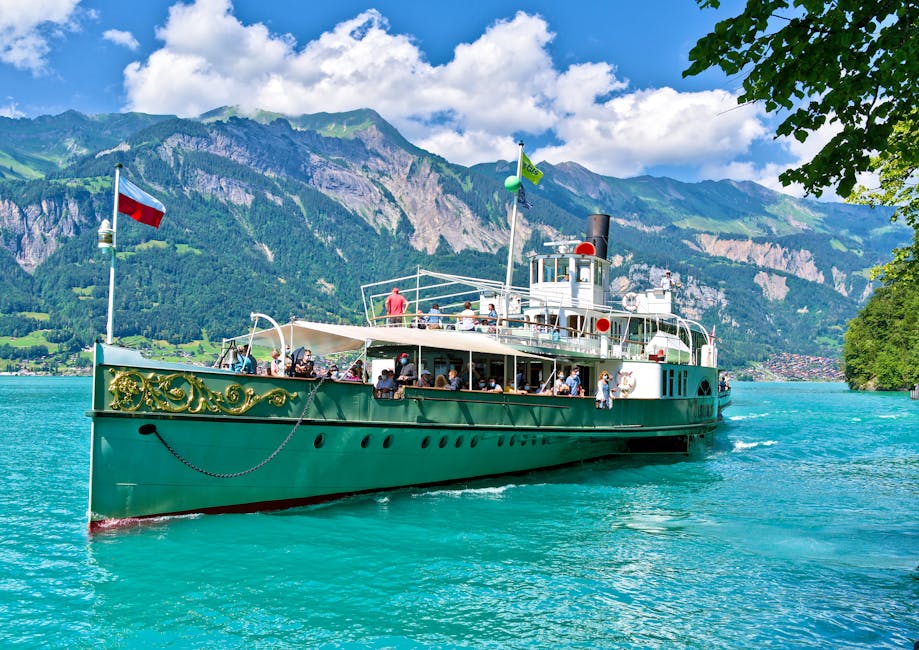
– Operators: Schifffahrtsgesellschaft des Vierwaldstättersees (SGV) runs regular services.
– Typical schedule: departures every 30–60 minutes from 09:00 to 17:00 depending on season (higher frequency in summer).
– Recommended route: Lucerne → Weggis → Vitznau (possible final stop for Rigi) then return. Partial round-trip duration 1.5–2 hours.
– Approximate fares: short cruise (1 hour) ~ €24, longer cruise (Lucerne–Vitznau) ~ €32 one-way. Prices vary by season and vessel type (historic steamers cost more).
Local tips:
– Buy tickets at the SGV desk on Bahnhofquai or via the SBB app. A Luzern Mobil Tageskarte does not include the boat — check combinations.
– Best light for photos: late afternoon for golden reflections on the water.
– If it’s raining: visit the Swiss Museum of Transport (Verkehrshaus der Schweiz), 10–15 minutes by bus from the station. Address: Lidostrasse 5, 6006 Luzern. Typical hours: 10:00–17:00 (seasonal). Entrance approx. €18.
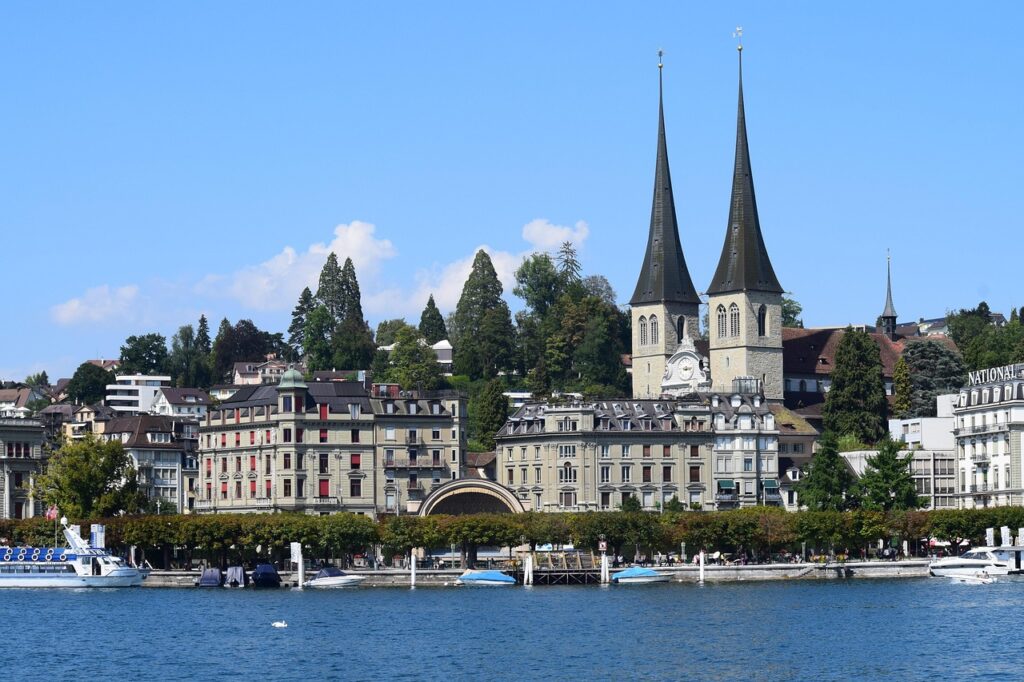
Itinerary 2 — Climb Pilatus: Boat + World’s Steepest Cogwheel Railway (Alpnachstad) — Alpine panoramas
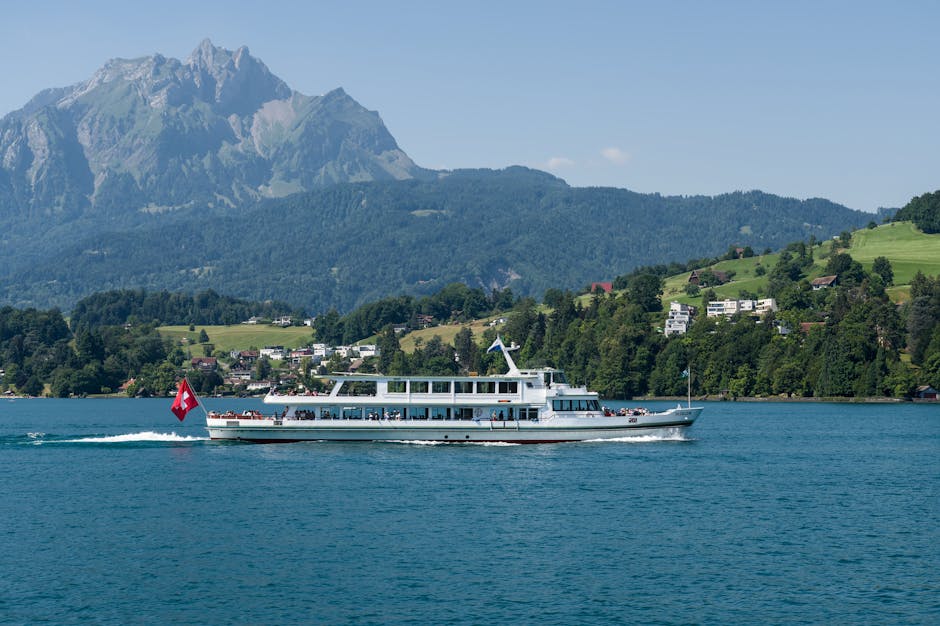
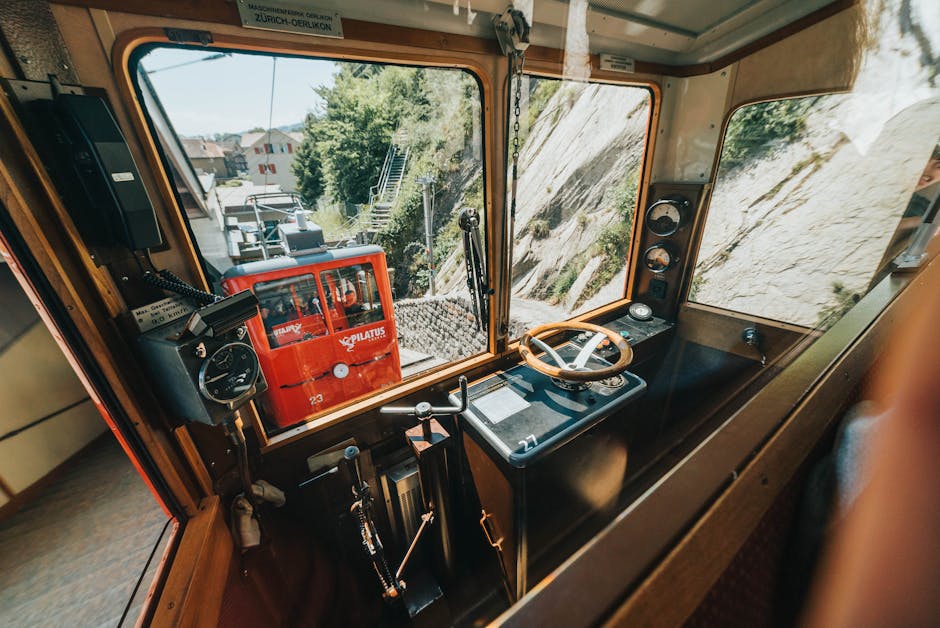
Overview: Mount Pilatus offers one of the most dramatic panoramas over Lucerne and the lake. The classic public-transport route combines a boat from Lucerne to Alpnachstad and the ascent on the Pilatus-Bahnen, the world’s steepest cogwheel railway (Alpnachstad → Pilatus Kulm). Return by cable car from Kriens is an option depending on conditions.
Starting point: Bahnhofquai, 6003 Luzern (boat)
– Boat schedule to Alpnachstad: seasonal departures roughly every 1–2 hours between 08:30 and 17:00. Crossing time: ~30–40 minutes.
– Boat fare: Lucerne → Alpnachstad about €16 (one-way).
Ascent by cogwheel railway:
– Boat arrival: Alpnachstad, 6055 Alpnachstad. The Pilatusbahn boarding is a few minutes’ walk from the pier.
– Pilatus-Bahnen (Alpnachstad → Pilatus Kulm):
– Departure station address: Bahnhof Alpnachstad, 6055 Alpnachstad
– Hours: ascent usually runs 09:00–17:00 (summer season), frequencies vary; may be closed in winter — check before you go.
– Indicative price: ascent ~€50 (one-way); combined boat + cog return packages often available around €70–€85.
– Ascent time: ~30 minutes, with dramatic switchbacks and plunging views.
At the summit — Pilatus Kulm:
– Address: Pilatus-Kulm, 6010 Kriens (summit area and facilities).
– Activities: panoramic walks, marked trails (30–90 minutes depending on route), panorama restaurants.
– Summit facilities hours: restaurants typically 09:00–17:00; cable car descent times vary by season.
– Clothing tips: temperatures are 5–10 °C cooler than Lucerne; wind is common. Sturdy walking shoes recommended.
Return options:
– Option 1 (popular): descend by cable car / mountain railway from Pilatus Kulm to Kriens, then take urban bus (line 1) back to Lucerne station. Cable car hours: 09:00–17:00, descent fare ~€30.
– Option 2: return the same way via Alpnachstad and boat if you prefer a more relaxed route.
– Practical tip: buy combined tickets (boat + Pilatusbahn) at SGV ticket offices or online; the Alpnachstad ticket counter can have long queues in high season.
Itinerary 3 — Rigi: the classic “Queen of the Mountains” via Vitznau or Arth-Goldau
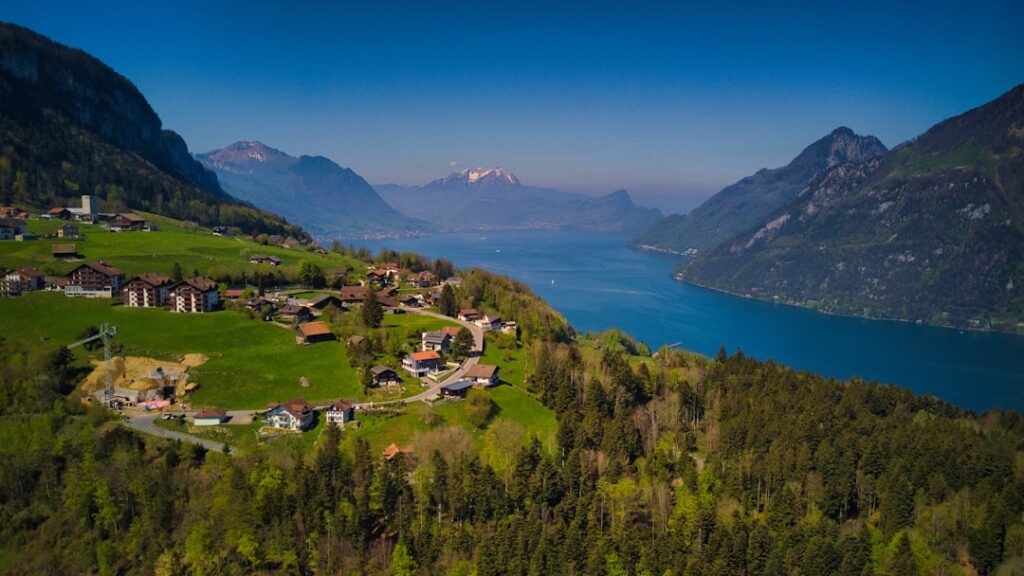
Overview: Mount Rigi (Rigi Kulm) is reachable from Lucerne either by boat to Vitznau or by train to Arth-Goldau. Both routes include a historically famous cogwheel railway ascent with views stretching to the Bernese Alps and, on a clear day, Mont Blanc. It’s a superb choice for hikers, families and photographers.
Option A — Via Vitznau (boat + cogwheel):
– Departure: Bahnhofquai, 6003 Luzern, boat to Vitznau.
– Boat schedule: regular departures roughly every 1–2 hours from 09:00–17:00 depending on season.
– Boat duration: ~50–60 minutes.
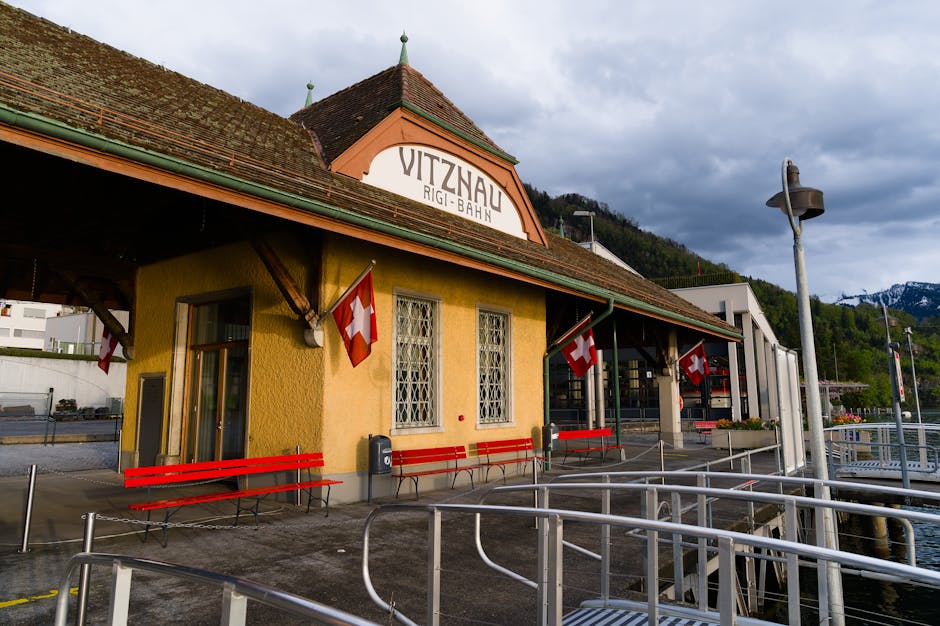
– Arrival: Vitznau, 6354 Vitznau. Board the Rigi Bahn (Vitznau → Rigi Kulm).
– Rigi Bahn (Vitznau → Rigi Kulm):
– Hours: ascents start from around 07:30–08:30 and run until 17:00 depending on season.
– Indicative price: combined up-and-down ~€40–€45 (varies with promotions). One-way tickets also possible.
– Ascent time: ~30 minutes.
Option B — Via Arth-Goldau (train + Rigi cogwheel):
– Departure: Luzern Bahnhof (Bahnhofplatz, 6003 Luzern) — take an SBB/Zentralbahn train to Arth-Goldau.
– Train times Luzern → Arth-Goldau: frequent departures, roughly every 30 minutes; trip time ~20 minutes.
– Arrival: Arth-Goldau station, 6415 Arth-Goldau. Connection to Rigi Bahn available (side depends on route and timetable).
– Indicative fare Luzern → Arth-Goldau: ~€6–€8 (one-way).
– Advantage: more timetable flexibility and better options if the lake is foggy.
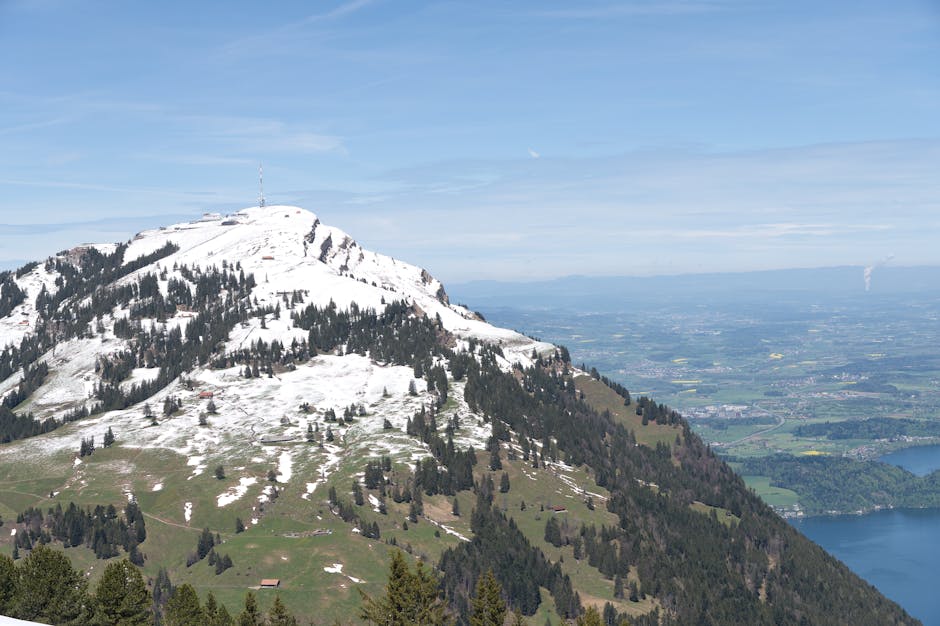
At the summit — Rigi Kulm:
– Summit address: Rigi Kulm, 6410 Rigi Kulm area (summit viewpoint and hotels).
– Activities: varied trails (easy to moderate), panorama restaurant, 360° viewing point.
– Facility hours: depend on hotels and restaurants; visitor services generally 08:00–17:00.
– Local tip: morning ascents often reveal a sea of clouds below in spring/autumn. Hikers can plan a loop Rigi Kulm → Rigi Kaltbad → Vitznau to descend by cable car and catch the boat back to Lucerne.
Ticketing tips:
– Combined boat + Rigi Bahn tickets are sold at SGV and Rigi Bahnen counters. Combined fares are often better value.
– The Swiss Travel Pass covers some sections; check lift coverage (often discounts rather than full free travel).
Itinerary 4 — Day-Trip Trains: Engelberg (Titlis) and the Luzern–Interlaken Express
Overview: From Lucerne several rail lines make excellent day trips. Engelberg and Titlis are reachable by train and cable car (great for snow and ice), while the Luzern–Interlaken line (SBB/Zentralbahn) winds through alpine scenery to Interlaken, the gateway to the Jungfrau region.
Engelberg / Titlis (train + rotating cable car):
– Departure: Luzern Bahnhof, Bahnhofplatz, 6003 Luzern.
– Route: Luzern → Engelberg via Zentralbahn, journey time ~45–60 minutes (direct).
– Arrival: Engelberg station, 6390 Engelberg.
– Train times: departures every 30–60 minutes from about 06:00–22:00 depending on season.
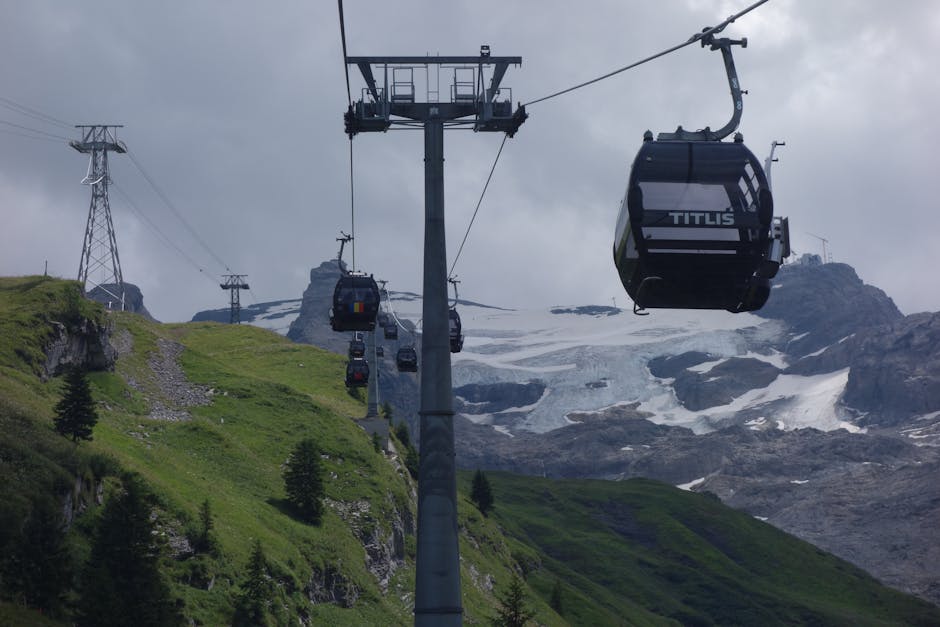
– Titlis Rotair (rotating cable car Engelberg → Titlis Kulm):
– Valley station: Engelberg valley station, Bahnhofstrasse 32, 6390 Engelberg.
– Hours: 08:30–16:30 (longer in high season/winter).
– Indicative price: Engelberg → Titlis Kulm ~€58 (round-trip cable car). Family deals sometimes available.
– Activities: glacier walks, the Titlis Skywalk cliff walkway, high-altitude restaurants. Winter offers skiing and snow parks; summer brings alpine hikes.
Luzern–Interlaken Express (panoramic train):
– Departure: Luzern Bahnhof, platform for the Luzern–Interlaken service.
– Timetable: 1–2 panoramic departures daily in peak season; regular regional trains also run.
– Duration: Luzern → Interlaken Ost about 2 hours.
– Indicative fare: direct ticket Luzern → Interlaken ~€35–€45 (one-way); prices vary by booking and train type.
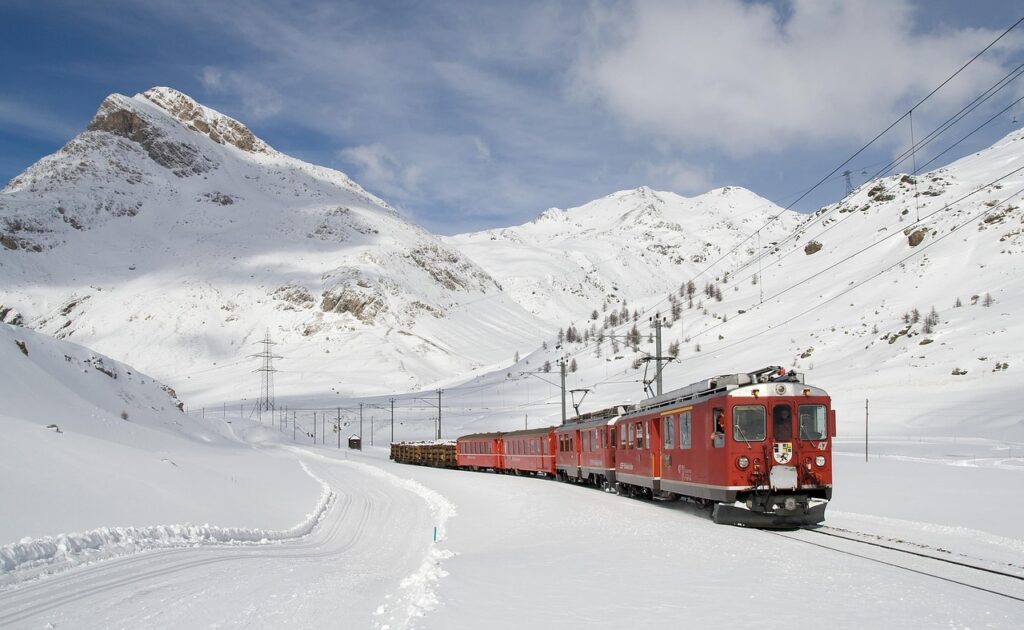
– Description: a spectacular route through the Prealps, the Brünig valley and views of lakes and mountains. Recommended stops: Meiringen (Aare Gorge), Brienz (lake and woodcarving museum).
Practical tips for these excursions:
– Book seats on panoramic trains in summer to secure a window spot.
– For Titlis, check glacier conditions (snow) and pack warm layers.
– The Swiss Travel Pass can make multiple trips very cost-effective; otherwise compare regional passes (Tell-Pass, Luzern–Engelberg combos).
Conclusion — Summary and Practical Tips to Make the Most of Lucerne’s Public Transport
Lucerne and its surroundings offer a range of unforgettable routes that are best experienced by public transport. The combined SBB and Zentralbahn rail networks, the SGV boats on Lake Lucerne and mountain lifts (Pilatus-Bahnen, Rigi Bahnen, Titlis Rotair) make for smooth, photogenic and sustainable travel. To recap: the lake cruise is ideal for a first urban and panoramic introduction; Pilatus and Rigi are musts for alpine vistas accessible with combined tickets; Engelberg/Titlis and the Luzern–Interlaken line suit those who want to extend their day beyond the city.
Final practical tips:
– Tickets: buy some tickets in advance (Pilatus, Titlis and panoramic trains) and favor combined boat + lift tickets to save money. Prices cited here are approximations in euros — the local currency is the Swiss franc (CHF); exchange rates fluctuate.
– Timetables: always double-check SBB/Zentralbahn/boat schedules the day before (official websites and the SBB Mobile & SGV apps) — frequency is highest in peak season; services reduce off-season.
– Gear: for mountain outings, pack warm layers and a windproof jacket even in summer, closed shoes and snacks if you’re hiking.
– Weather: alpine views depend on the weather. In bad conditions, prioritize museums (Verkehrshaus, Lidostrasse 5, 6006 Luzern) or more sheltered lake cruises.
Traveling by public transport not only gives you access to a punctual and convenient network but lets you experience Switzerland as it’s meant to be: efficient, eco-conscious and visually stunning. Have a great trip and remember to check local ticket counters or apps for exact daily timetables and combined offers that will save you time and money.